



From development land, residential land to townhomes whatever you are looking for RPM has the ideal location for you.
From development land, residential land to townhomes whatever you are looking for RPM has the ideal location for you.

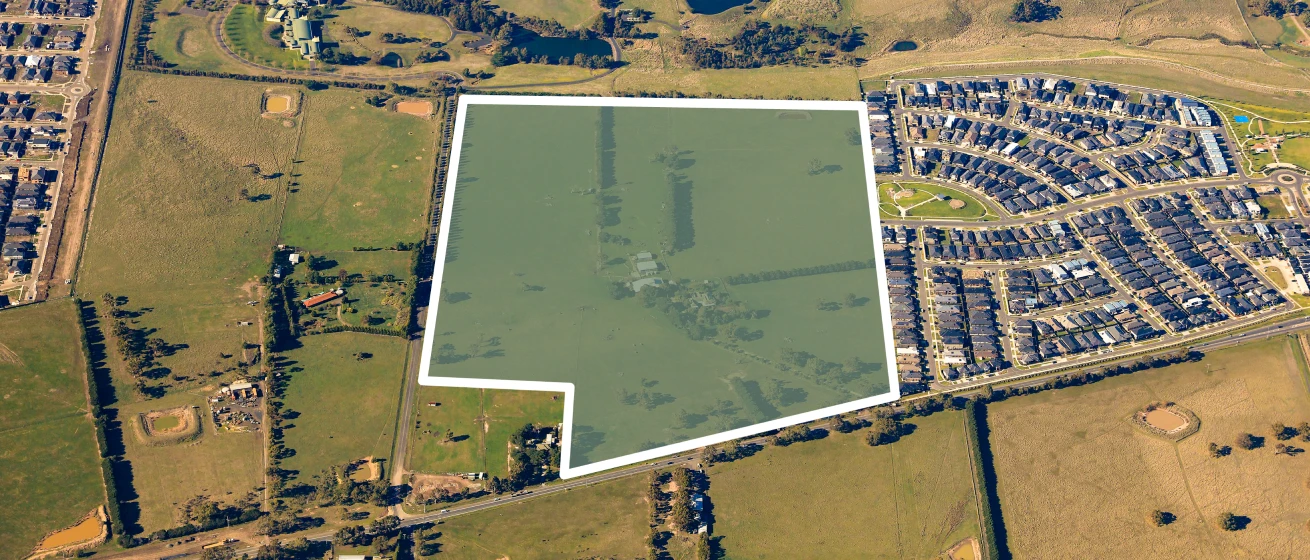
Development Land
Specialists in sourcing and selling development land for commercial and residential projects. Explore current and past opportunities.
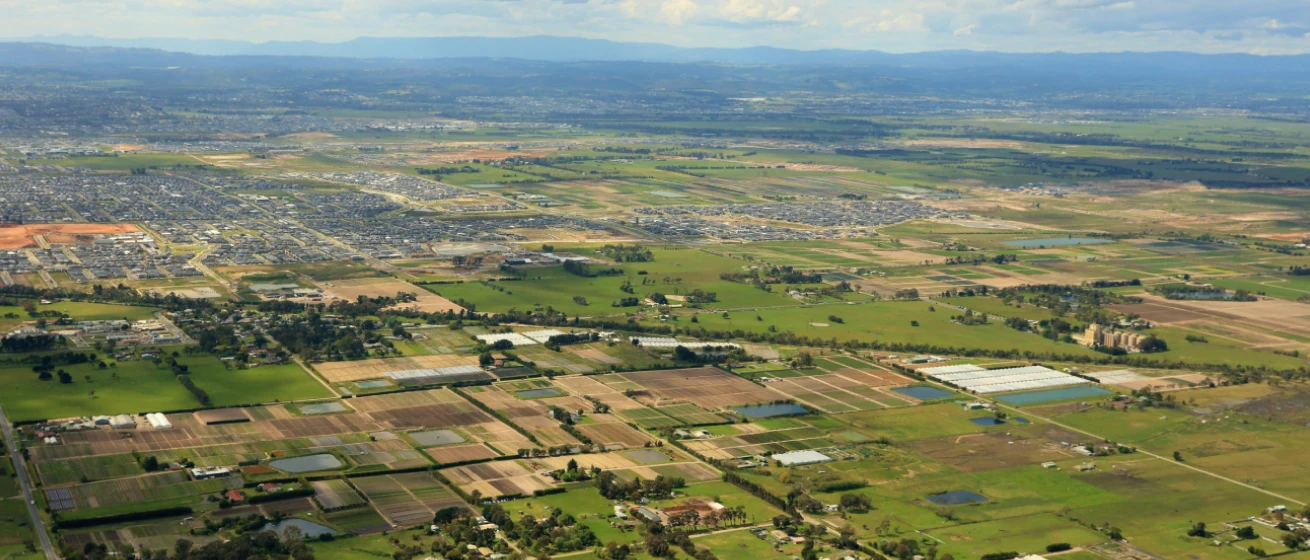
Residential Land
Across Australia’s East coast RPM has the ideal land to suit your lifestyle and dream home, explore the projects RPM is proud to be partners in selling.
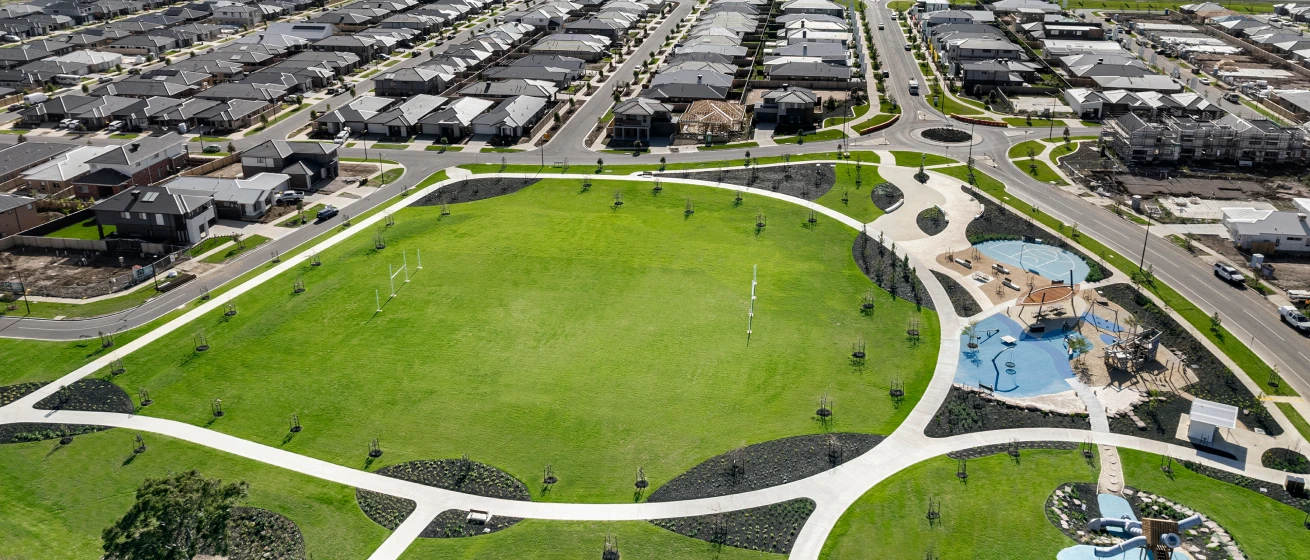
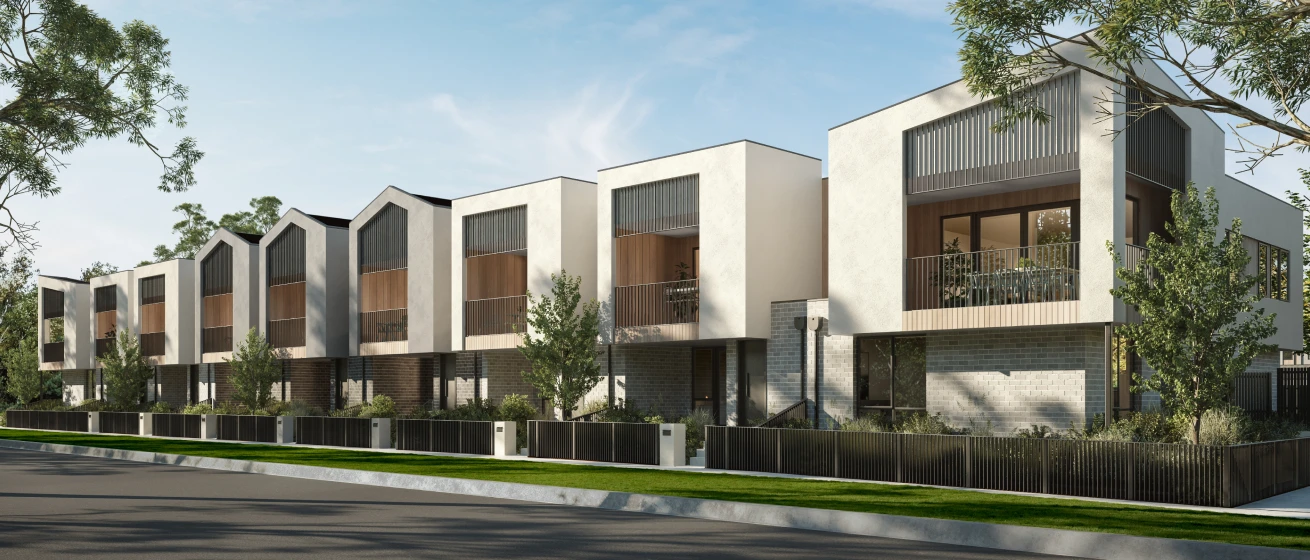
Townhomes
With townhouses to suit every lifestyle and budget, find your perfect home today.
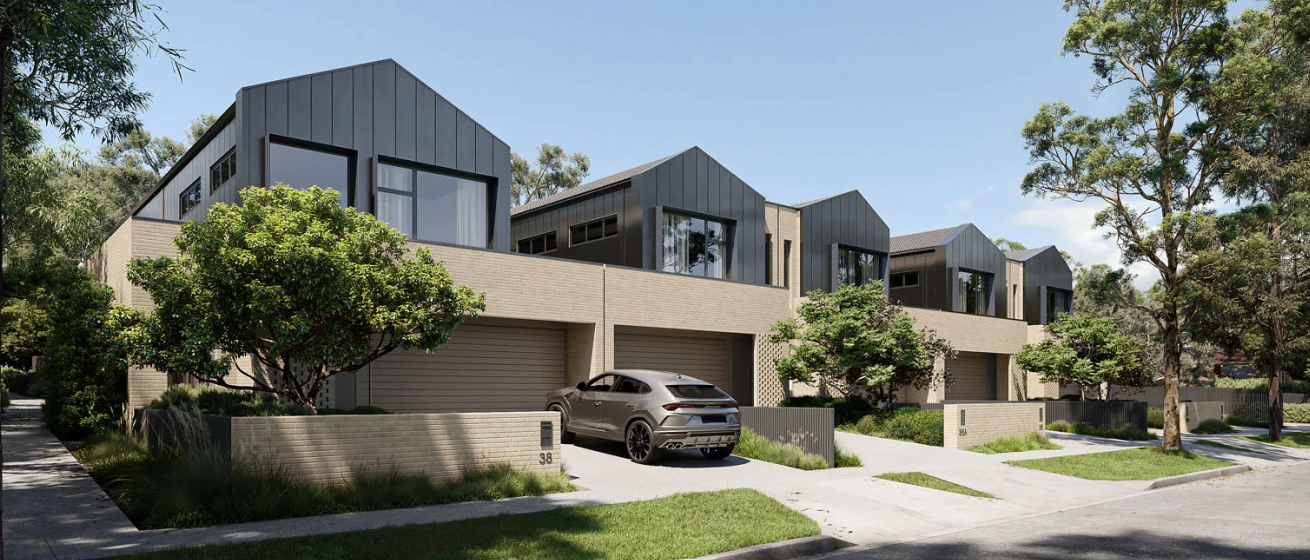
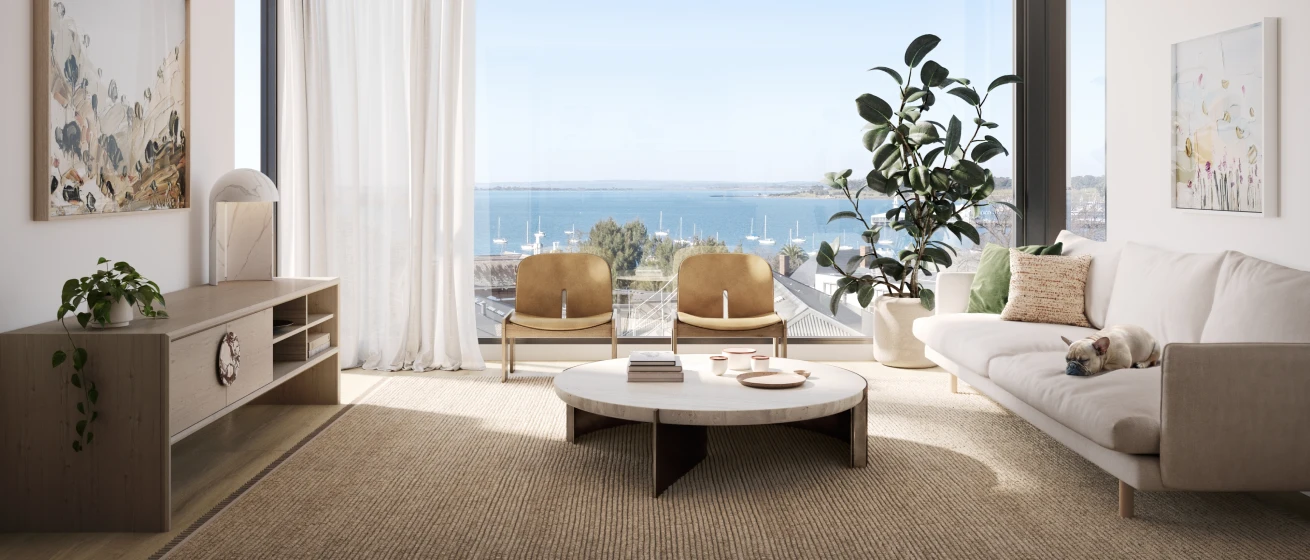
Apartments
Inner city & coastal new apartment projects. Explore our projects to find your perfect location and style of living.
RPM offer a comprehensive suite of professional services at every stage of your property journey.
RPM offer a comprehensive suite of professional services at every stage of your property journey.
Pioneering new benchmarks in property intelligence, know-how, and data-driven insights, read the RPM Group's story.
Our Story
Since 1994, RPM has grown to become the industry-leader with an expanding national presence; offering a comprehensive suite of services
Our Team
The heart of our business are the people who make it thrive. Discover the passion and dedication of our national team.
Careers
Our team of property experts is truly unparalleled. See how you can join this exceptional group and shape your future with us.



At a time when SEQ needs it most, lot registrations across the region have reached their lowest level in a decade. The gap between population driven housing needs and the availability of it is widening, putting sustained pressure on pricing, delivery times, and project feasibility.
Clinton Trezise, Managing Director of RPM QLD & NSW says, “Queensland added almost 99,000 residents in the year to March 2025, growing 1.8%, above the national average of 1.6%.”
“Overseas migration accounted for just half of that growth, with interstate arrivals adding another quarter.” While arrivals from abroad have eased from last year’s peak, they remain above long term averages, supporting demand for both rental and owner occupied housing. Meanwhile, SEQ’s detached lot supply remains at historic lows.
“Lot registrations fell to just 8,180 in FY25, a decade low, against an estimated annual housing demand of 34,500 dwellings,” Clinton explains. That leaves a shortfall of nearly 13,000 lots across the region. Stock is most constrained in Logan, Moreton Bay, and Ipswich, where available land sits well below one month’s supply.
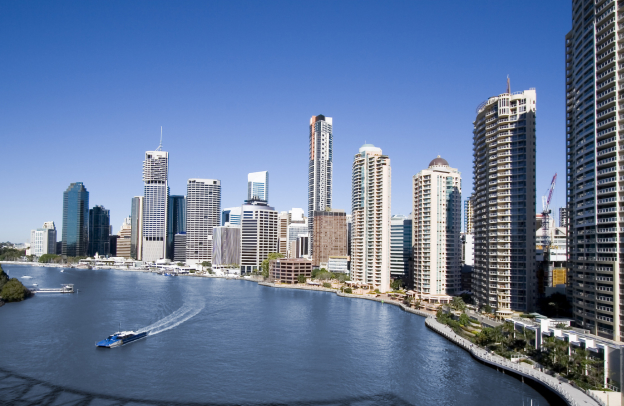
Remaining lots are skewed toward higher price points, limiting access for entry level buyers. “There’s a real mismatch between how fast people are moving in and how many lots are actually being built. People are coming, but the land isn’t there yet.”
Rental markets are continuing to feel the pressure. Greater Brisbane’s vacancy rate sits at 0.9%, well below the 3% level considered healthy, while new dwelling registrations fell 16% over the year, and established house listings dropped 8%. Building approvals are improving, particularly for higher density projects.
Apartment approvals jumped 26% over the year to September 2025, signalling some confidence in high and medium density developments, even as detached housing approvals remain relatively steady.
Land values are adjusting to the new market reality. 42% of lot sales in SEQ were above $500,000 in the last 12 months and only 1% below $300,000. This is a massive change compared to just 3 years ago when 26% of the market was below $300,000 and only 19% of the market was above $500,000.

End product revenues are now consistently exceeding $1,000/sqm in all key LGAs, in some circumstances supporting land economics of up to $4 million per net developable hectare in well located projects. While we have seen significant price increases for land when comparing the median price for land and median price for builds, this puts a house and land package price at approximately $966,000. This is still below the established median house price of $1,03M which indicates land prices are still fair value when compared to established homes.
And a growing number of development site transactions area clearing close to $3 million per NDHA, levels that until recently were considered the upper bound for many groups. “The market has shifted quickly” says James Matley, QLD Director of RPM Transactions & Advisory.
“The groups that get the new numbers and move fast are the ones making deals. Those that are looking at old benchmarks are going to get left behind.” Developers are increasingly focusing on shovel ready or DA progressed sites, as most straightforward, serviceable land has already been absorbed. Remaining opportunities often carry higher complexity, including fragmented ownership, servicing constraints, or planning hurdles.
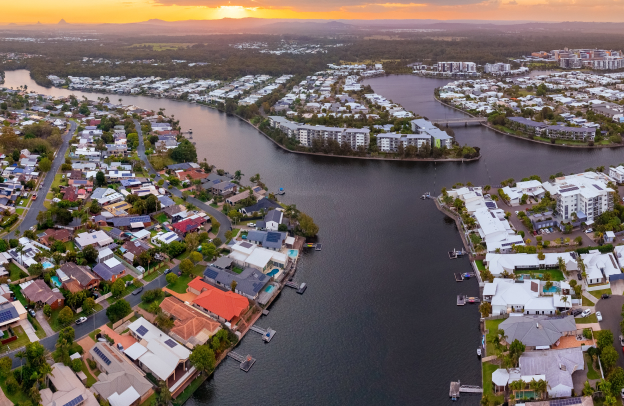
“SEQ’s fundamentals are likely to sustain the pressure,” says Clinton. “Population growth will continue, housing supply pipelines are thin, and lot sizes have stabilised while prices rise.”
“Entry level affordability will increasingly depend on product design, pricing strategy, and location. Unless we get more land ready faster, and planning keeps up, this tight market is just going to get tighter.”
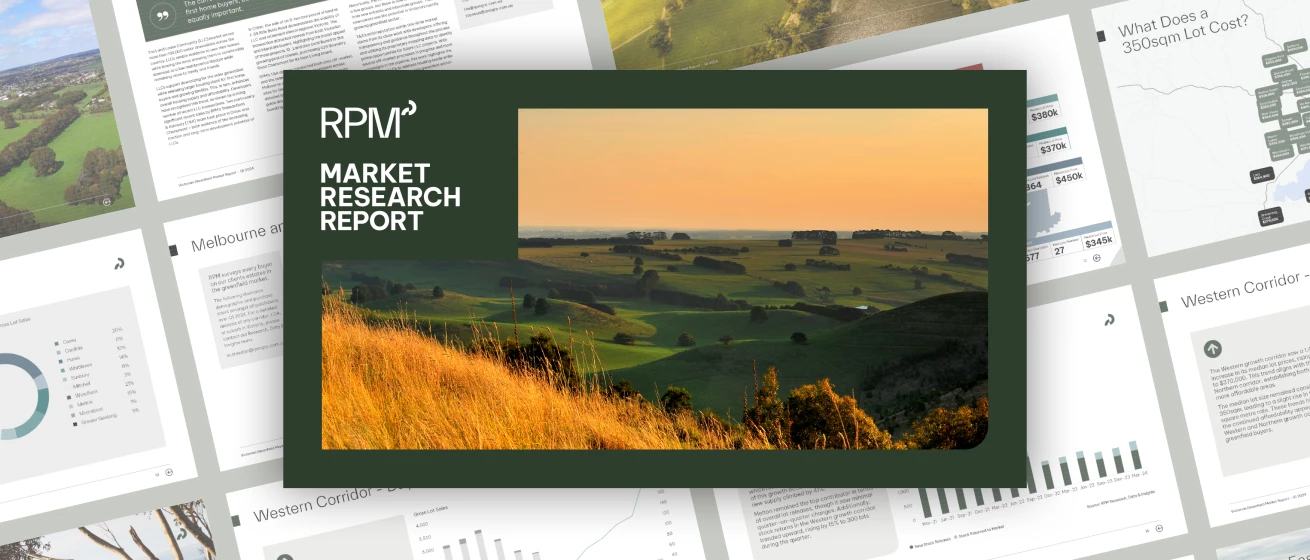
This article references findings from our December 2025 SEQ Greenfield Market Report. Read the full report here.