



From development land, residential land to townhomes whatever you are looking for RPM has the ideal location for you.
From development land, residential land to townhomes whatever you are looking for RPM has the ideal location for you.

Development Land
Specialists in sourcing and selling development land for commercial and residential projects. Explore current and past opportunities.
Residential Land
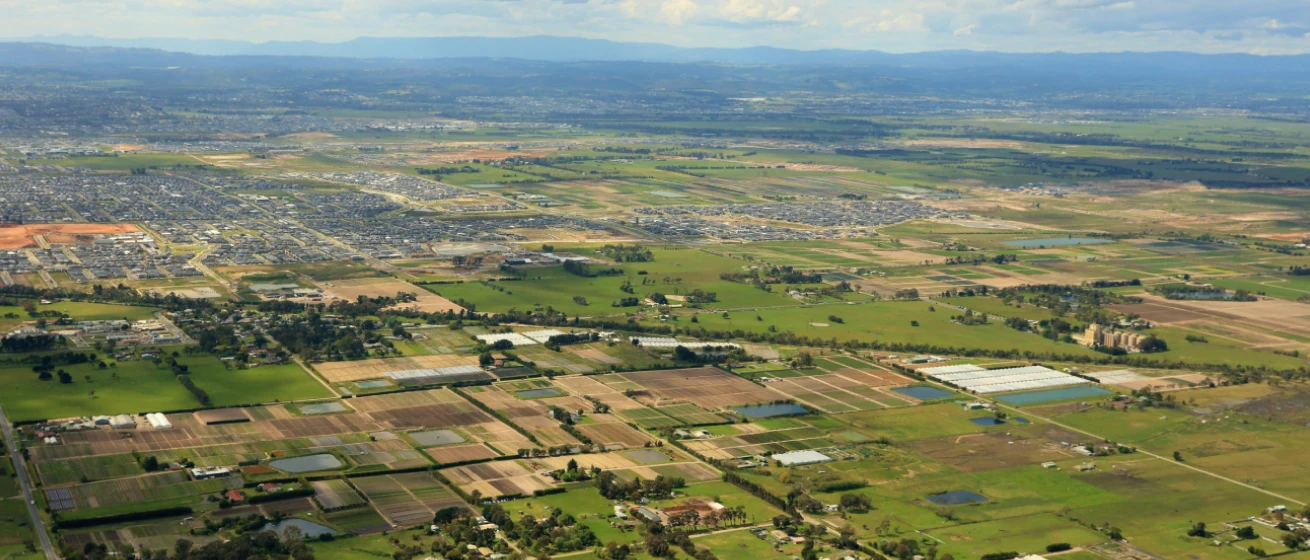
Across Australia’s East coast RPM has the ideal land to suit your lifestyle and dream home, explore the projects RPM is proud to be partners in selling.
Townhomes
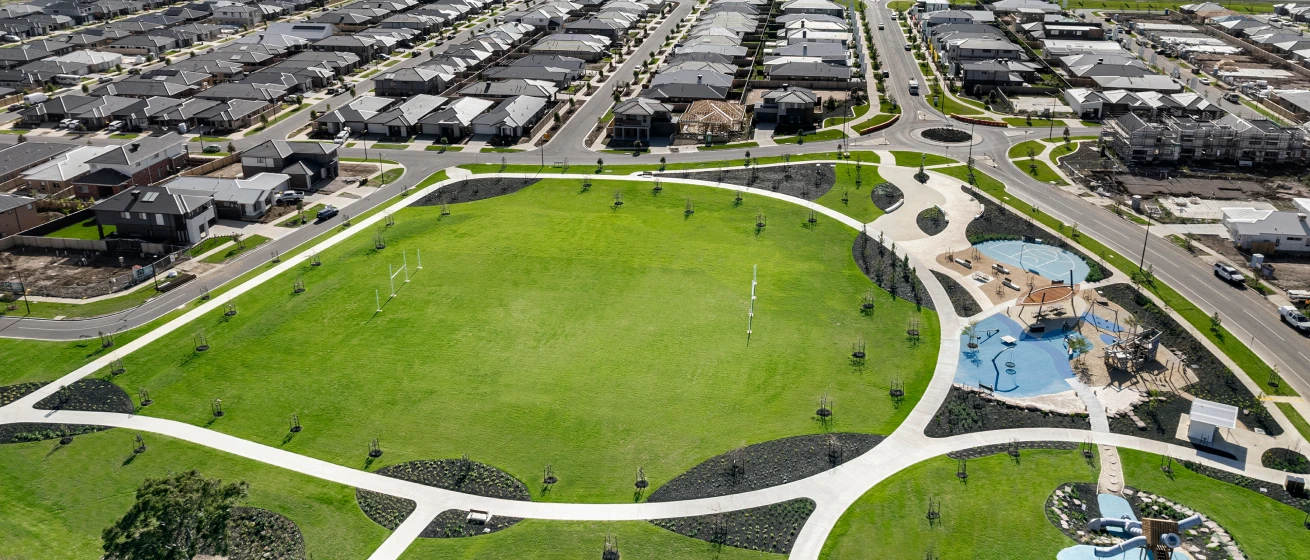
With townhouses to suit every lifestyle and budget, find your perfect home today.
Apartments
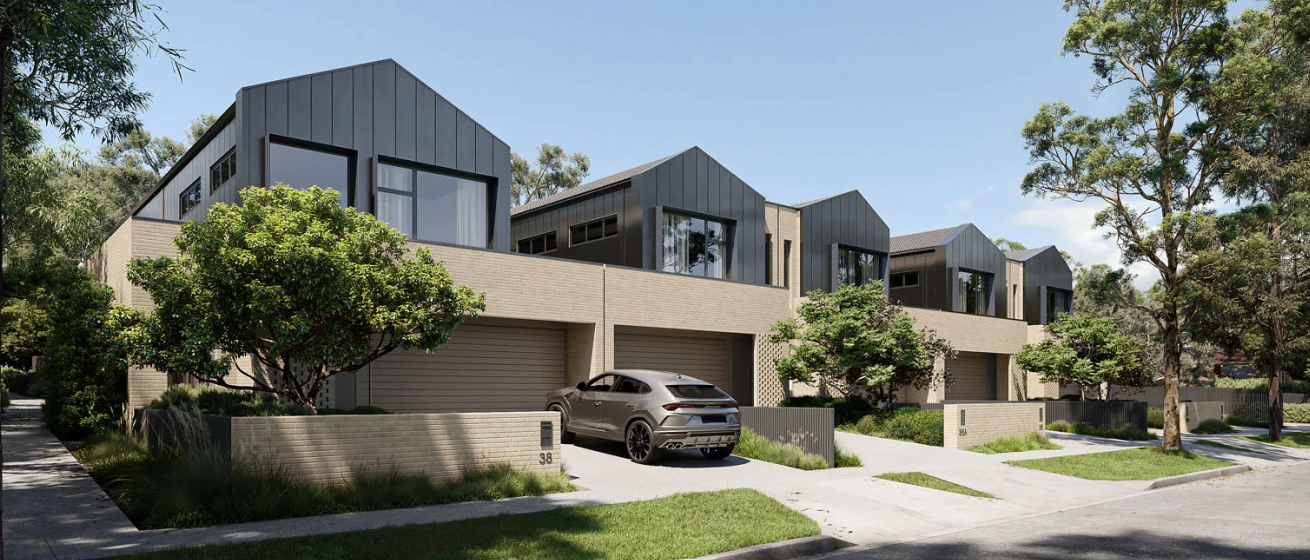
Inner city & coastal new apartment projects. Explore our projects to find your perfect location and style of living.

RPM offer a comprehensive suite of professional services at every stage of your property journey.

RPM offer a comprehensive suite of professional services at every stage of your property journey.

Pioneering new benchmarks in property intelligence, know-how, and data-driven insights, read the RPM Group's story.

Our Story
Since 1994, RPM has grown to become the industry-leader with an expanding national presence; offering a comprehensive suite of services
Our Team
The heart of our business are the people who make it thrive. Discover the passion and dedication of our national team.

Careers
Our team of property experts is truly unparalleled. See how you can join this exceptional group and shape your future with us.



Momentum carried into 2026 despite inflation pressures
Momentum in new home demand continued into 2026, with January enquiry and lot sales activity stronger than the same period in 2025. This resilience came despite monthly inflation running between 3.4-3.8% since September, increasing the prospect of an interest rate rise.
The impact of the February rate rise
In response, the Reserve Bank of Australia (RBA) raised the cash rate by 25 basis points in February, partially reversing last year’s easing trend. Early effects have been modest. Borrowing capacity is estimated to have fallen by 2-3%, coinciding with a slight reduction in enquiries during February. Some moderation in confidence is also evident in the Westpac-Melbourne Institute consumer sentiment report, where the time to buy a dwelling index fell.
Interest rate trajectory remains biased to the upside
The trajectory for interest rates remains biased to the upside, with inflation expected to return gradually to the 2-3% target range. While higher rates may continue to temper sentiment, the new home market is well positioned to absorb affordability pressures. The premium for new lots over similarly located established houses has narrowed. Melbourne’s median house price increased 8.4% in 2025, compared with a 1.3% decline in median lot prices, supporting the relative value of new homes.

Product mix is reinforcing accessibility
Product mix is also reinforcing accessibility. Townhomes and small lot housing code products* are increasingly incorporated into metropolitan masterplans, providing more affordable options while aligning supply with demand. Peri-urban and regional growth areas remain viable alternatives for buyers seeking new homes outside metropolitan corridors.
Incentives continue to support first home buyers
Additional support comes from developer rebates, government grants, and low deposit or help to buy schemes. Early 2026 RPM Buyer Surveys highlight the impact of these incentives, with 25-34 year olds — representing first home buyers most sensitive to interest rate changes — forming the largest cohort of owner occupier purchasers.
New home market enters 2026 with solid underlying demand
Overall, despite emerging headwinds from inflation and rising rates, the new home market has entered 2026 with solid underlying demand. Affordability measures, diversified product offerings, and targeted incentives continue to attract first home buyers and owner occupiers. This positions the new home market to maintain steady lot sales and enquiry through the first half of the year, even as the broader economic environment remains cautious.
*Lots smaller than 300sqm.
This article references findings from our Q4 2025 Victorian Greenfield Market Update.