



From development land, residential land to townhomes whatever you are looking for RPM has the ideal location for you.
From development land, residential land to townhomes whatever you are looking for RPM has the ideal location for you.

Development Land
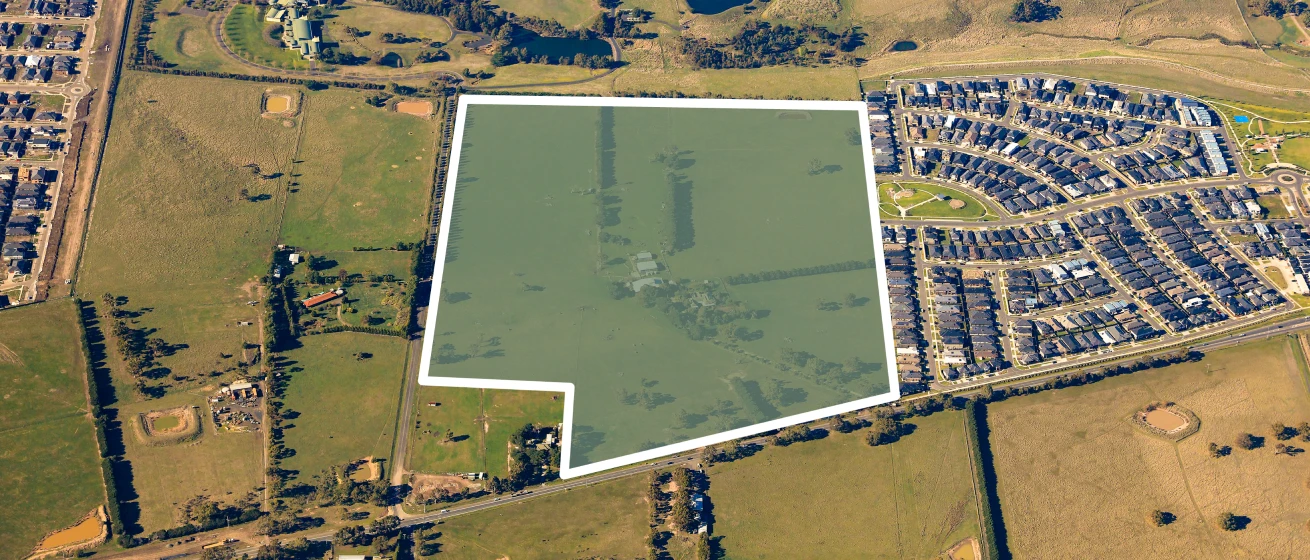
Specialists in sourcing and selling development land for commercial and residential projects. Explore current and past opportunities.
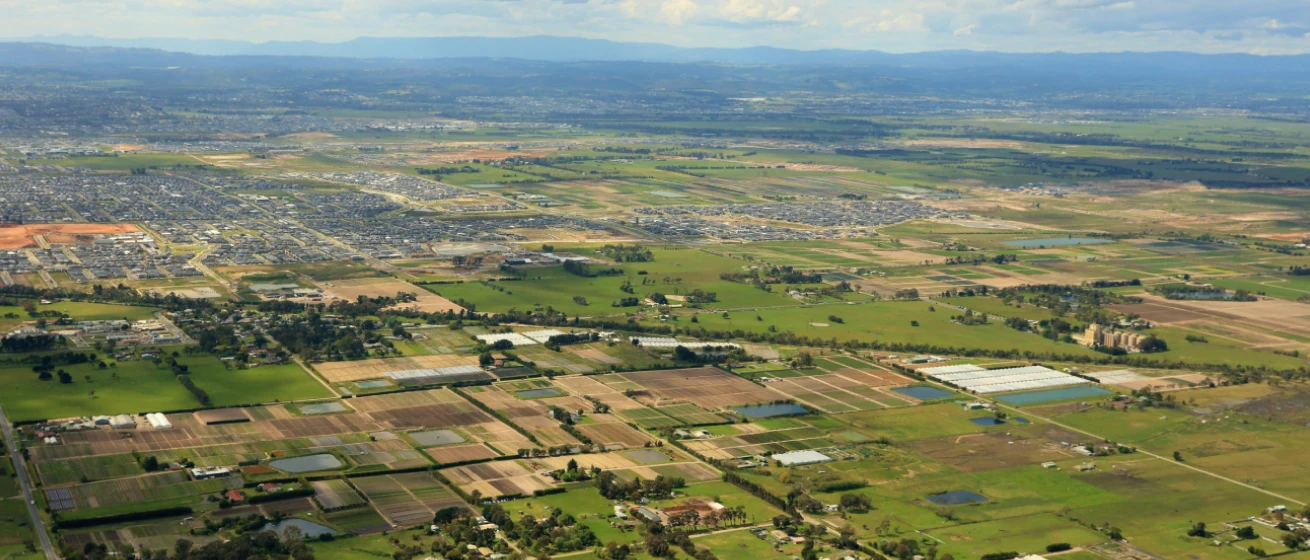
Residential Land
Across Australia’s East coast RPM has the ideal land to suit your lifestyle and dream home, explore the projects RPM is proud to be partners in selling.
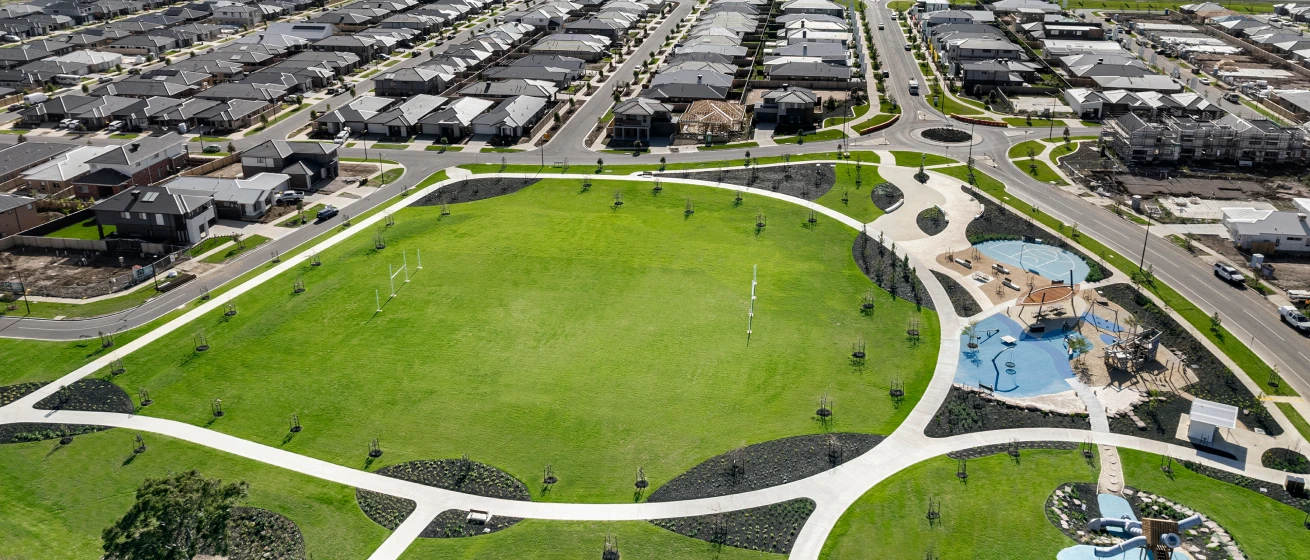
Townhomes
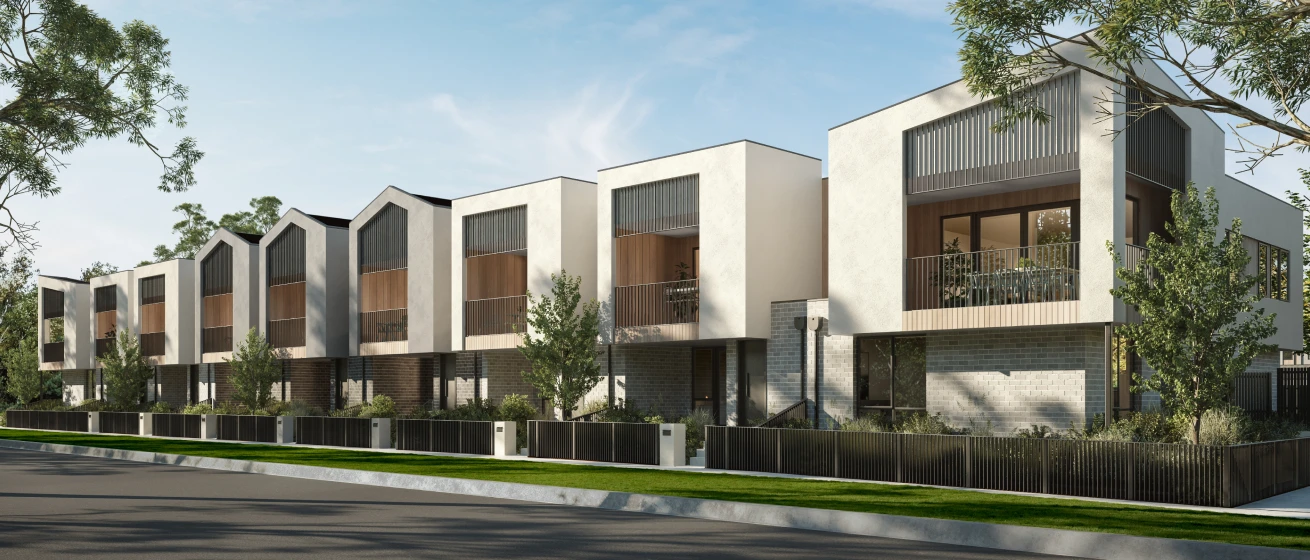
With townhouses to suit every lifestyle and budget, find your perfect home today.
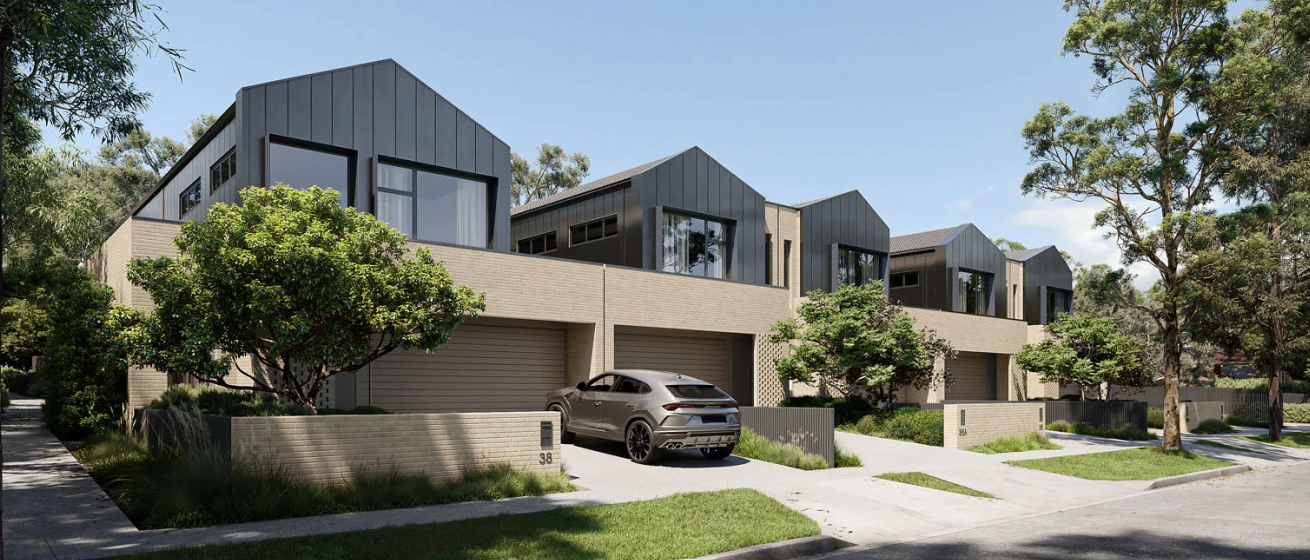
Apartments
Inner city & coastal new apartment projects. Explore our projects to find your perfect location and style of living.

RPM offer a comprehensive suite of professional services at every stage of your property journey.

RPM offer a comprehensive suite of professional services at every stage of your property journey.

Pioneering new benchmarks in property intelligence, know-how, and data-driven insights, read the RPM Group's story.
Our Story
Since 1994, RPM has grown to become the industry-leader with an expanding national presence; offering a comprehensive suite of services
Our Team
The heart of our business are the people who make it thrive. Discover the passion and dedication of our national team.

Careers
Our team of property experts is truly unparalleled. See how you can join this exceptional group and shape your future with us.


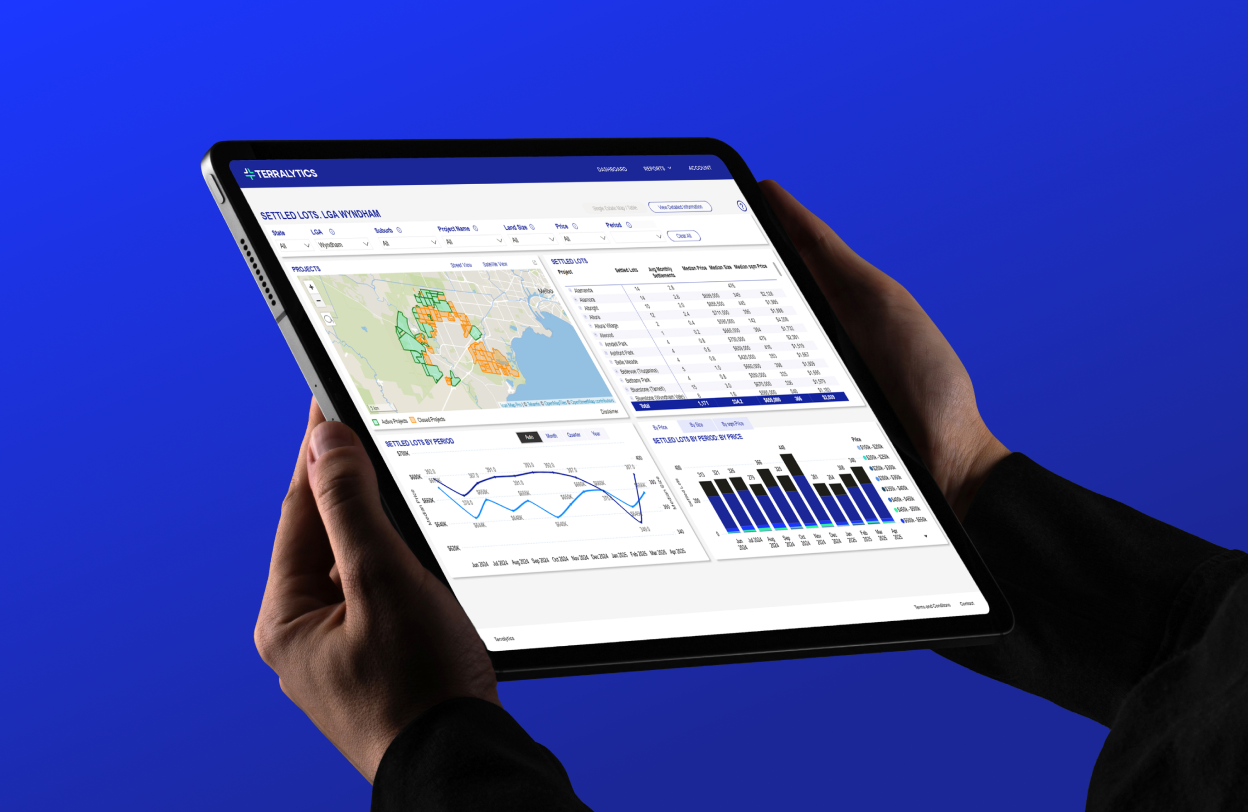
For as long as anyone in the industry can remember, making an educated decision on a development site has required weeks of manual data collection and collation.
Pulling sales figures from multiple sources. Cross referencing competitor pricing across a corridor. Rebuilding historical trends through spreadsheets assembled from fragments. The process was tedious, often incomplete, and heavily dependent on static reports that quickly become outdated.
Although the data existed, it has not always been easily accessible in a standardised, on-demand format. Terralytics solves that problem.
What is Terralytics?
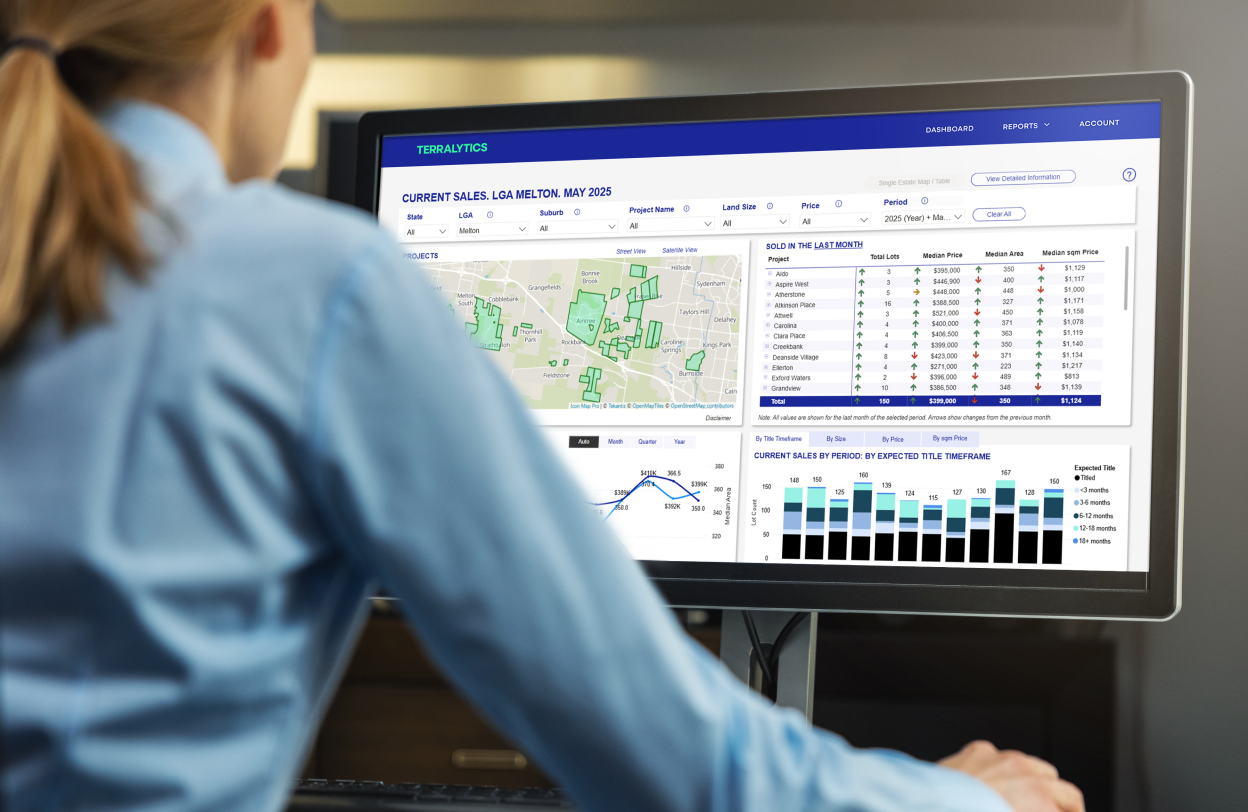
Terralytics is a land market intelligence platform that consolidates more than a decade of greenfield land data into a single, searchable digital environment. Releases, sales activity, absorption rates, construction progress, pricing dynamics, and settlement data all sit within one system, structured consistently and updated continuously.
Users can move from a state level view of market conditions to an individual lot, filtering by size, price, frontage, title status, or time period. Analysis that had previously required days or weeks of data collection can now be done in minutes.
As Peter Grant, Managing Director of Terralytics puts it: “The industry has always had the data. What it has lacked is cohesion, standardisation, and lifecycle alignment.”
“Terralytics was designed to provide exactly that. To give every participant in the development ecosystem access to the same quality of evidence without the friction of manual data collection and collation.”
Where Terralytics fills the gap
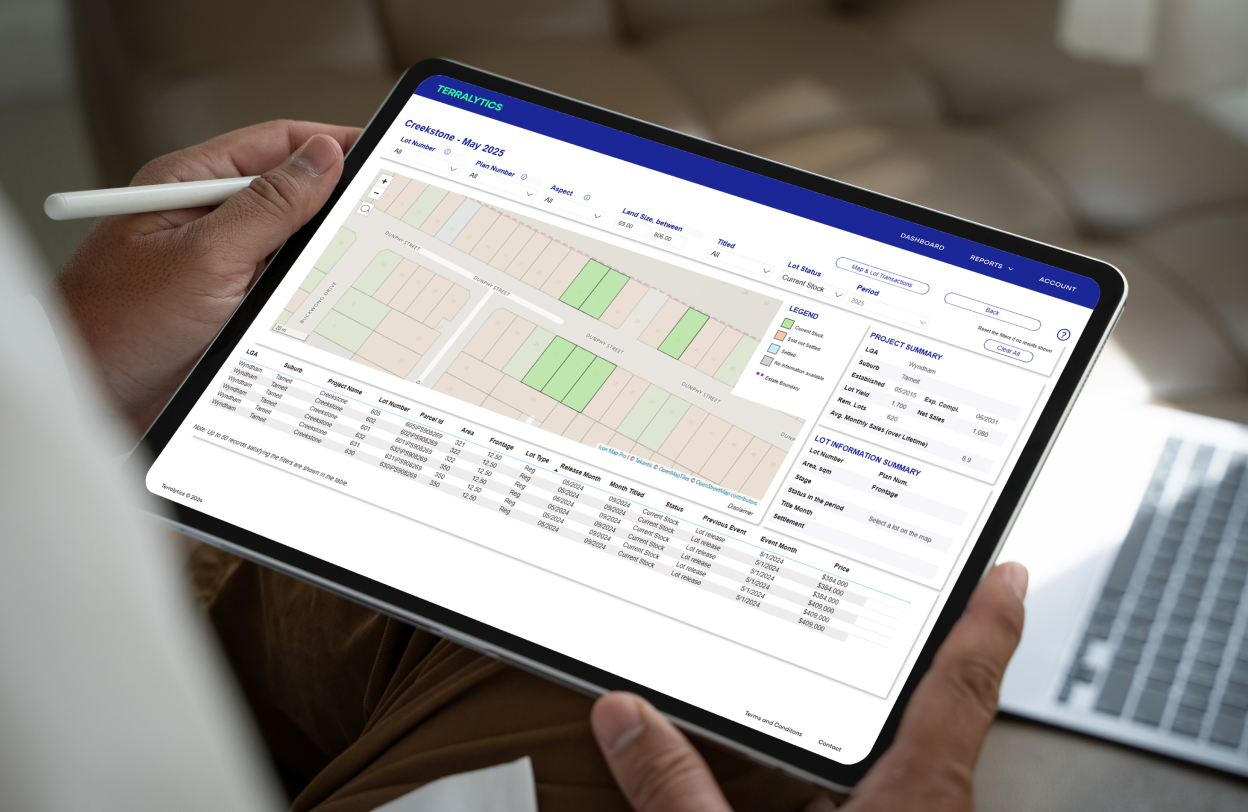
Most property data platforms are built around completed transactions. They tell you what has settled and when. What they have historically not captured is the window between release and settlement, often a period of one to two years, during which capital exposure is highest and market visibility has been weakest.
Terralytics covers this crucial part of the project lifecycle. Users can track lots from the moment they are released, to construction, and through to settlement, giving a continuous view of how a project is performing rather than a snapshot of what has already occurred.
For developers, this means acquisition and release decisions can be grounded in evidence that reflects where the market actually is, not where it was six months ago.
For builders assessing demand depth in a corridor, the data reflects real conditions rather than lagging indicators.
For government and planning bodies, it provides a standardised view of supply pipelines that had not previously existed in an accessible format.

The data behind Terralytics
RPM Group is the founding data partner of Terralytics, and that relationship runs deep. For more than 30 years, RPM Research has tracked Australia’s greenfield market with a rigour that few organisations can match: monthly, systematic, unbroken. That accumulated intelligence sits at the core of what Terralytics is today.
The platform has since grown well beyond its origins. Terralytics now integrates datasets from leading research and data providers across the nation, delivering a comprehensive view of the industry at every stage of a project’s lifecycle, from land release through to settlement.
The data architecture behind the platform reflects decades of structured collection across hundreds of projects. That depth is now available to every organisation operating in the market, regardless of size or geography.
Peter describes what that shift means in practice: “What we hear constantly from our clients is that Terralytics has changed how they operate. Not just how they access data, but how they think about markets.”
“That shift, from reactive to proactive, from fragmented to integrated, is exactly what we set out to achieve.”
What comes next
Terralytics is currently live across Victoria and Queensland, with New South Wales, South Australia, and Western Australia to follow. RPM’s research team utilises Terralytics as the data backbone for all market analysis and advisory work.
For more information, visit Terralytics.