



From development land, residential land to townhomes whatever you are looking for RPM has the ideal location for you.
From development land, residential land to townhomes whatever you are looking for RPM has the ideal location for you.

Development Land
Specialists in sourcing and selling development land for commercial and residential projects. Explore current and past opportunities.
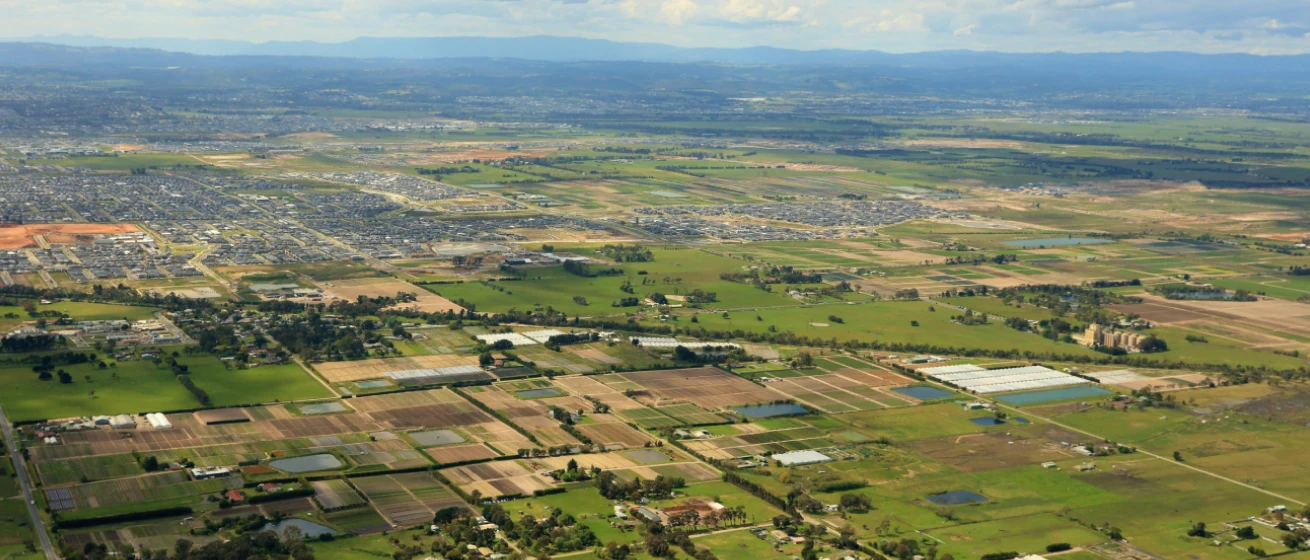
Residential Land
Across Australia’s East coast RPM has the ideal land to suit your lifestyle and dream home, explore the projects RPM is proud to be partners in selling.
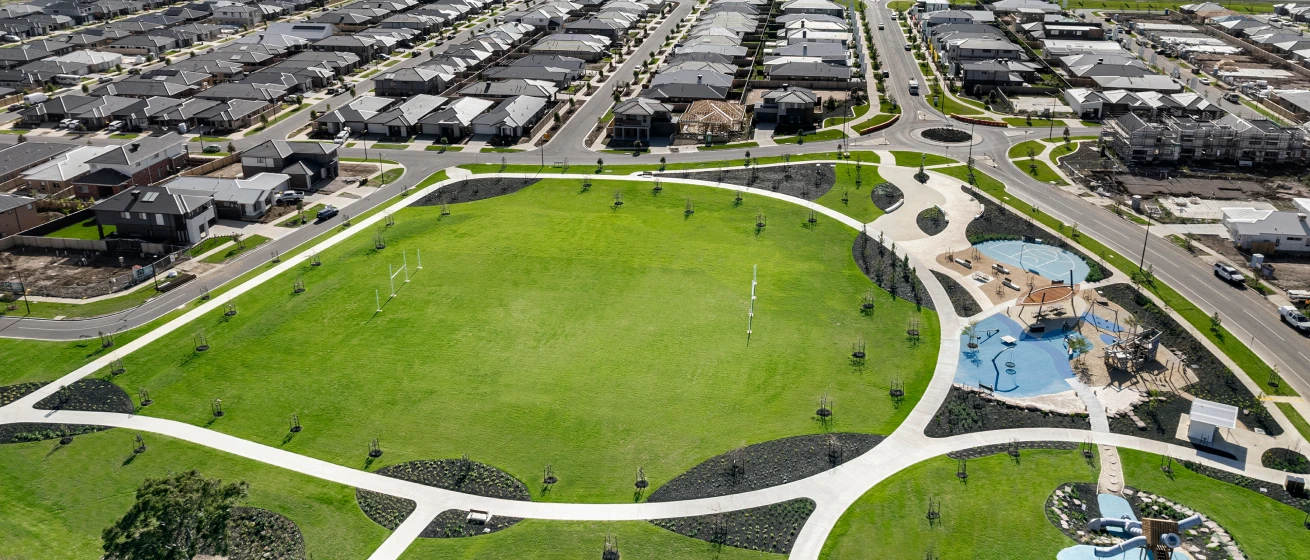
Townhomes
With townhouses to suit every lifestyle and budget, find your perfect home today.
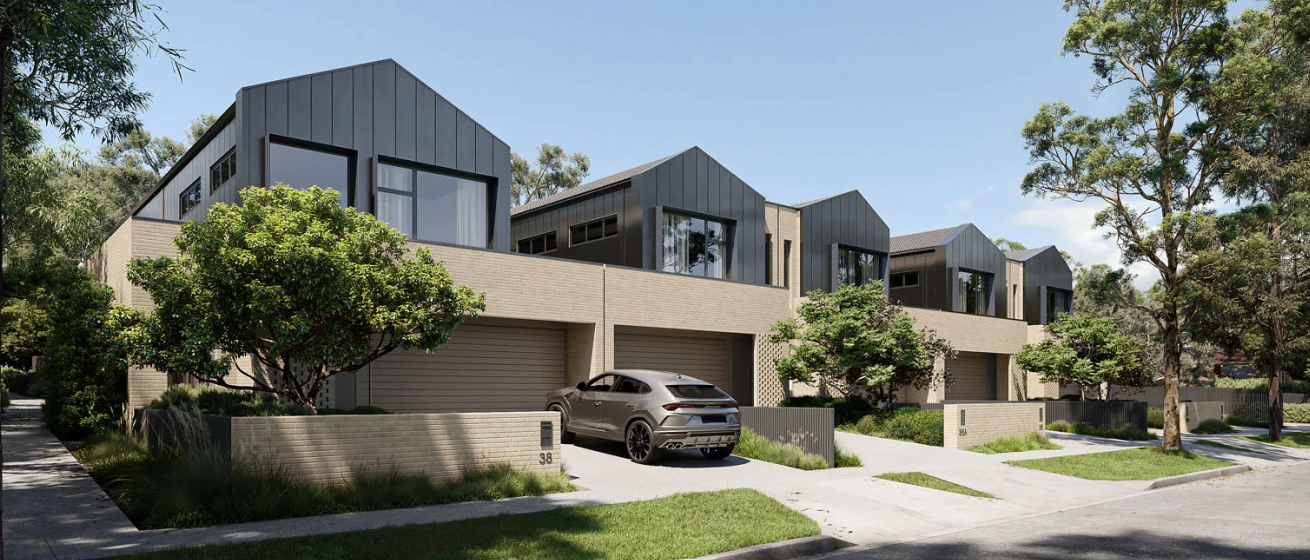
Apartments
Inner city & coastal new apartment projects. Explore our projects to find your perfect location and style of living.

RPM offer a comprehensive suite of professional services at every stage of your property journey.

RPM offer a comprehensive suite of professional services at every stage of your property journey.

Pioneering new benchmarks in property intelligence, know-how, and data-driven insights, read the RPM Group's story.
Our Story
Since 1994, RPM has grown to become the industry-leader with an expanding national presence; offering a comprehensive suite of services
Our Team
The heart of our business are the people who make it thrive. Discover the passion and dedication of our national team.

Careers
Our team of property experts is truly unparalleled. See how you can join this exceptional group and shape your future with us.


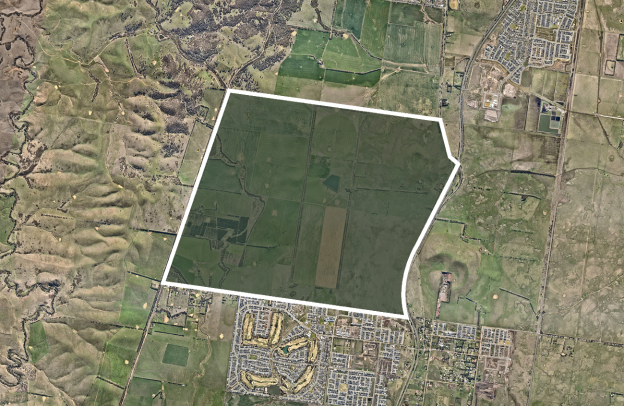
The words ‘Precinct Structure Plan’ might not mean much if you’ve spent your life farming or holding land in Melbourne’s growth corridors. But if your property sits inside — or near — a PSP boundary, those three letters could represent one of the most significant financial opportunities you’ll ever have.
This guide explains what a PSP is, how it affects the value of your land, when to sell, and how to make sure you capture the maximum value when the time comes.
What is a Precinct Structure Plan?
A Precinct Structure Plan (PSP) is a detailed planning document prepared by the Victorian Planning Authority (VPA) that sets out how a specific area of Melbourne’s growth corridor will be developed. It determines where housing, roads, parks, schools, and commercial centres will go — essentially, it’s the master plan for transforming greenfield land into a new suburb.
Once a PSP is approved, the path to rezoning the land within it becomes much clearer and shorter. For landowners, PSP approval is typically the moment that developer interest intensifies significantly — because the risk profile of the land has dropped and the development pathway is defined.
There are currently dozens of PSPs in various stages of preparation, approval, and implementation across Melbourne’s north, south east, and west growth corridors. The Victorian Government committed in 2024 to unlocking 27 additional greenfield areas over 10 years — representing a long pipeline of PSP activity and developer acquisition interest.
The value journey from farmland to developed land
The value of land in a growth corridor doesn’t move in a straight line. It tends to jump at specific planning milestones — and understanding those milestones is critical to timing your sale correctly.
• Pre-PSP: Land is still zoned rural or green wedge. Developer interest exists but is speculative. Values are low relative to later stages.
• PSP preparation underway: The VPA has commenced work on a PSP for your area. Values start to move as developers begin positioning. Competition for land increases.
• PSP approved: The development framework is confirmed. Values jump — often materially — as developer confidence and competition increase.
• Rezoning achieved: Urban Growth Zone or equivalent formal rezoning occurs. Another significant value step change. Developer interest peaks.
• Infrastructure in place: Roads, water, sewerage connections confirmed. Land is now ‘developable’ in a practical sense. Values reflect remaining project risk only.
Most landowners are best placed to consider a sale somewhere in the middle of this journey — after PSP approval but before rezoning, or at rezoning. Selling too early (pre-PSP) means leaving significant value on the table. Holding indefinitely post-rezoning in a falling market can erode gains.
The right time to sell is not just about where you are in the planning cycle — it’s also about where developer appetite is in the market cycle. RPM’s Transactions & Advisory team monitors both, and can advise you on the optimal timing for your specific situation.

What PSP approval means for how you sell
Once your land is within an approved PSP, the process of selling it changes. You’re no longer selling a speculative farming parcel — you’re selling a development opportunity with a defined yield, infrastructure plan, and planning pathway. Buyers know what they’re getting, and that changes the negotiation dynamic.
This is the point at which running a properly structured campaign — rather than simply accepting the next developer who calls — makes the biggest difference to your outcome. With multiple developers actively looking to build pipeline, you have genuine leverage. A competitive, well-managed process can add hundreds of thousands — sometimes millions — to your sale price compared with a direct negotiation.
RPM’s Transactions & Advisory team has specialist experience in PSP-stage transactions across Melbourne’s growth corridors. We understand the planning documents, know which developers are actively acquisitioning in each corridor, and have the GIS capability to model yield and value for your specific parcel.
Infrastructure contributions: what you need to understand
One of the key terms in any PSP is the Development Contributions Plan (DCP) or Infrastructure Contribution Plan (ICP) — the mechanism by which landowners and developers fund the roads, parks, schools, and utilities required for the new suburb.
These contributions are real costs that affect the value of your land. Developers will price them into their offers — so you need to understand them too. The contribution rates, timing, and obligations vary by corridor and by specific precinct, and they change as PSPs are reviewed and updated.
Your transactions agent should be across the specific infrastructure contributions applicable to your land, and should be able to explain how they affect the residual land value calculation — and therefore your sale price.
Off-market vs on-market for PSP land
PSP-stage land transactions are frequently conducted off-market, for good reasons. Developer identity can be commercially sensitive. Public listings can create uncertainty for neighbours. And the relevant buyer pool is small and well-defined — the major developers and land aggregators actively building pipeline in your corridor.
A well-run off-market campaign targets this buyer pool directly, creates structured competition between credible buyers, and gets you to a result faster than a public process often would. It also gives you more control over who you ultimately deal with — an important consideration if you have family, employees, or community obligations connected to the land.

Frequently asked questions from landowners
Does my land need to be already rezoned before developers will buy it?
No. Many transactions occur on PSP-approved but not yet rezoned land, particularly when developers want to acquire ahead of competition. The price will reflect the remaining rezoning risk, but it can still be substantial.
Can I sell just part of my land?
Yes, in many cases. Partial lot sales are common where landowners want to realise value from the development-ready portion of their holding while retaining a portion for other purposes. This requires careful structuring and clear planning advice.
How long does a development land sale take?
From the start of a managed campaign to exchange of contracts typically takes 3–6 months. Settlement periods in development land contracts are often longer — 12 months or more — to allow developers time for planning and financing. Your agent should be able to explain what a realistic timeline looks like for your specific situation.
Should I do anything to my land before selling?
Generally, the answer is no. Developers want to take the land as-is and manage the development process themselves. You don’t need to subdivide, clear vegetation, or obtain planning permits before selling — and attempting to do so without specialist advice can actually complicate the process.
Thinking about your land in the growth corridors?
If your land sits within or near a PSP area in Melbourne’s north, south east, or west, now is the time to get advice — not when a developer calls with an offer. RPM’s Transactions & Advisory team provides confidential, no-obligation consultations for landowners at any stage of the planning journey.