



From development land, residential land to townhomes whatever you are looking for RPM has the ideal location for you.
From development land, residential land to townhomes whatever you are looking for RPM has the ideal location for you.

Development Land
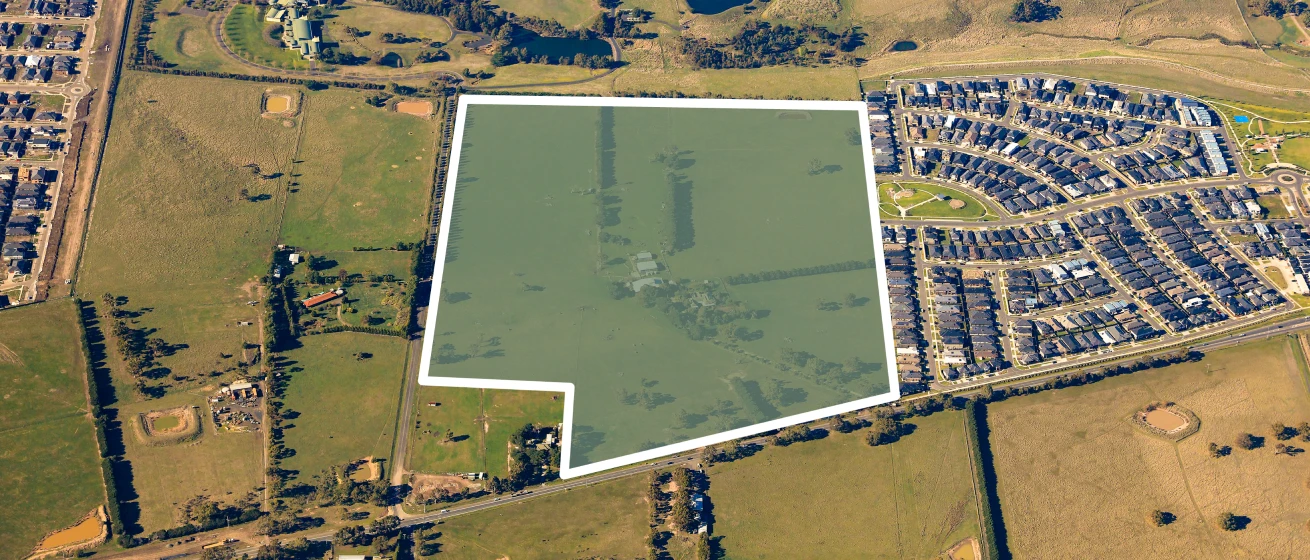
Specialists in sourcing and selling development land for commercial and residential projects. Explore current and past opportunities.
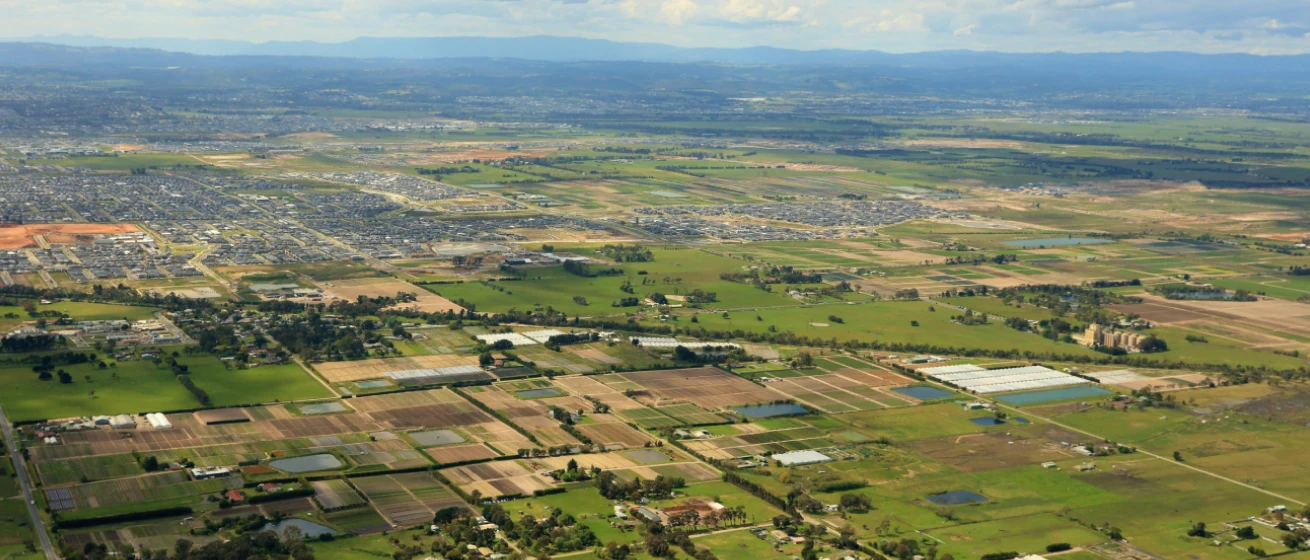
Residential Land
Across Australia’s East coast RPM has the ideal land to suit your lifestyle and dream home, explore the projects RPM is proud to be partners in selling.
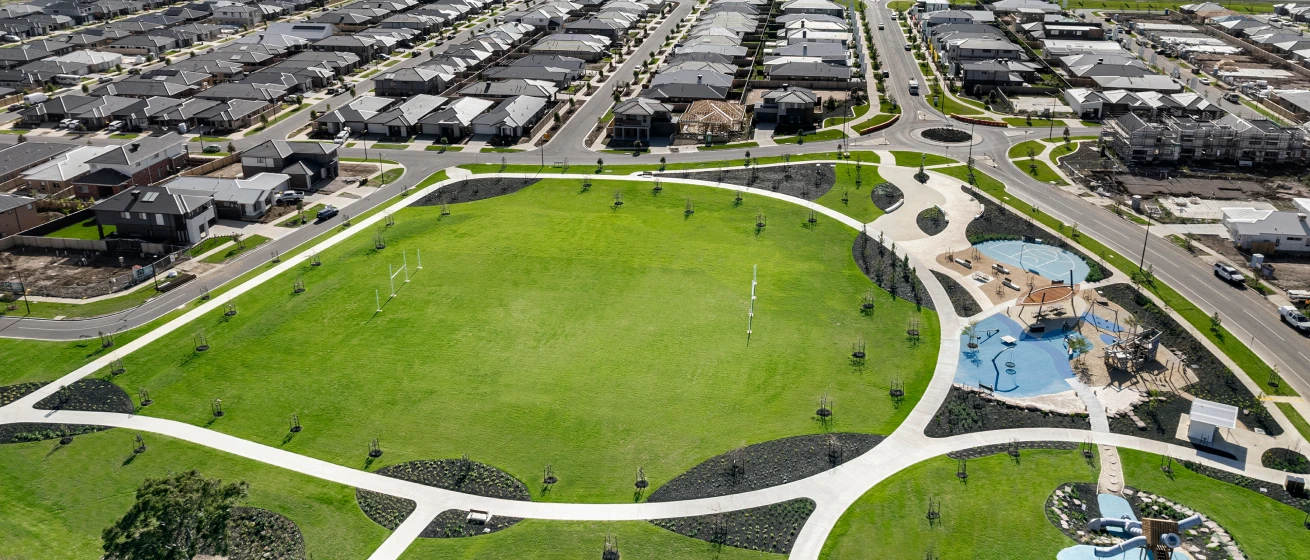
Townhomes
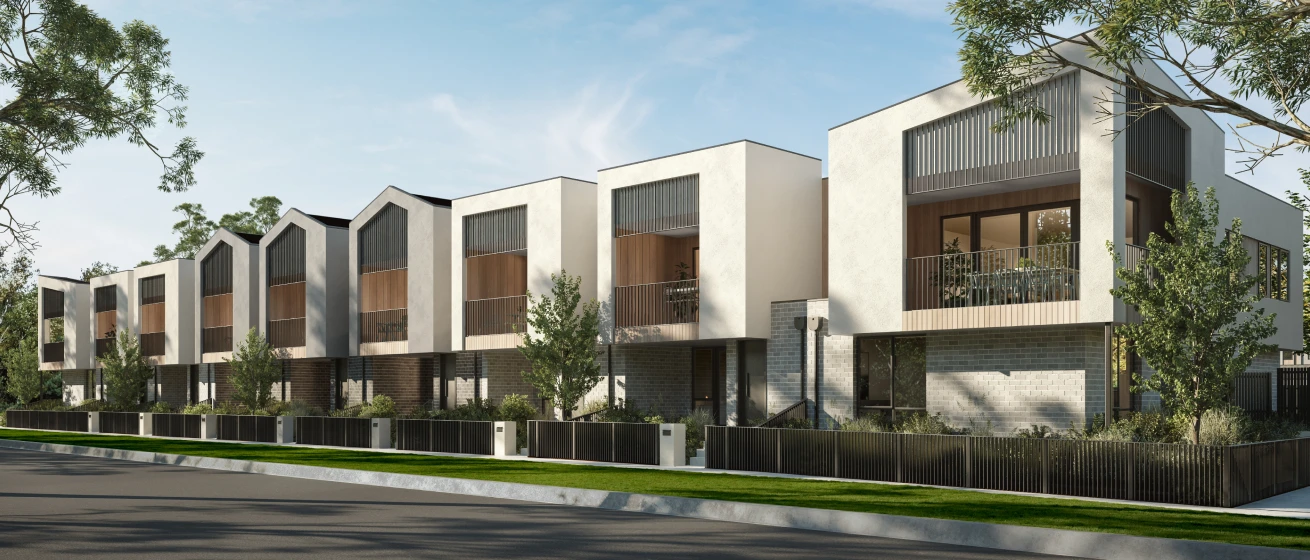
With townhouses to suit every lifestyle and budget, find your perfect home today.
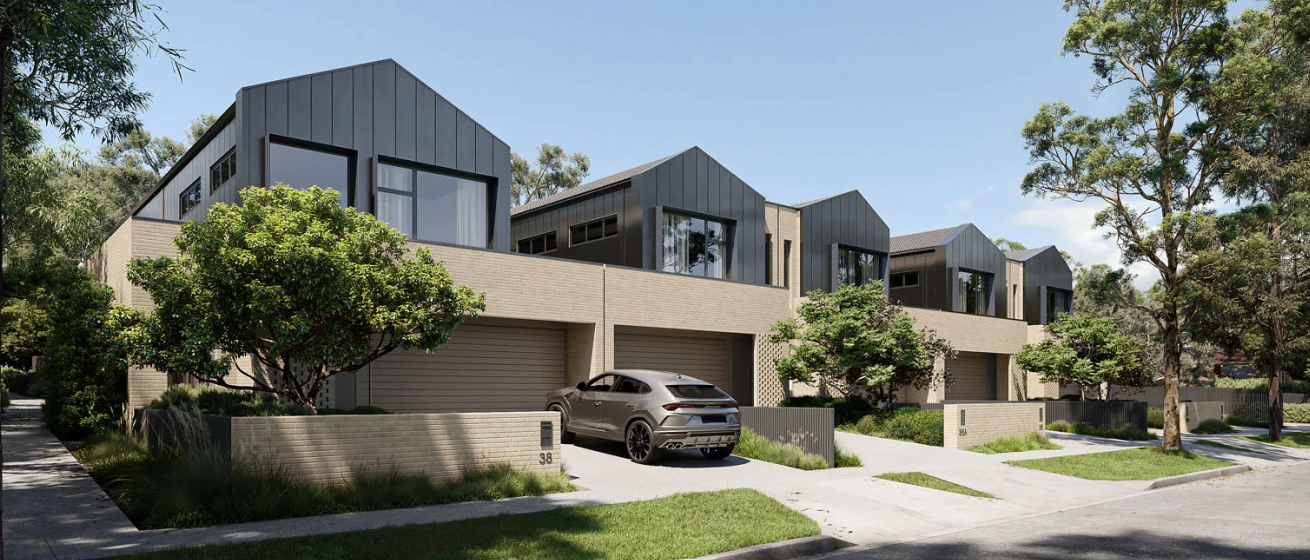
Apartments
Inner city & coastal new apartment projects. Explore our projects to find your perfect location and style of living.

RPM offer a comprehensive suite of professional services at every stage of your property journey.

RPM offer a comprehensive suite of professional services at every stage of your property journey.
Pioneering new benchmarks in property intelligence, know-how, and data-driven insights, read the RPM Group's story.
Our Story
Since 1994, RPM has grown to become the industry-leader with an expanding national presence; offering a comprehensive suite of services
Our Team
The heart of our business are the people who make it thrive. Discover the passion and dedication of our national team.

Careers
Our team of property experts is truly unparalleled. See how you can join this exceptional group and shape your future with us.



How do you see the current geopolitical uncertainty impacting the property market?
There are probably three ways it has an impact; some direct, some longer term. The first is upward pressure on inflation through rising petrol prices, which puts the RBA in a challenging position on monetary policy.
Australia already had elevated inflation before recent global events, and this doesn’t help. It makes further rate hikes increasingly likely, and we’ve already seen that even the expectation of higher rates is enough to see markets like Sydney and Melbourne roll over a bit.
The second is the hit to general confidence. The ANZ Roy Morgan Consumer Confidence is bouncing around the lowest levels in roughly 50 years. People are clearly sensitive to petrol prices, and when you couple that with higher interest rates, it gives people reason to pause, whether that’s delaying a renovation, a purchase, or a move. That’s not good news for property at the margin.
The third is what it means for construction costs. It’s essentially impossible to put specific numbers around it, but it’s clearly not good news. Construction costs have been a real challenge for years already, and this only makes that story more challenging, particularly for SEQ, where costs were already running higher than most of the rest of the country.
With SEQ median land prices now exceeding $500,000, how are lenders assessing risk in Greenfield projects where price points are pushing affordability limits?
The key metric we look at is the share of income needed to service the average mortgage, and across SEQ that still looks okay; which reflects that even with extraordinary price growth, the starting point was very affordable. That’s a meaningful distinction from somewhere like Adelaide, where affordability (in terms of share of income needed to service a loan) has deteriorated sharply, and we have a lot more concern.
For individual projects, we look at who the end purchasers are and whether affordability constraints will create headwinds at settlement. We also look at the track record of the developer and builder. Have they delivered this type of product before? Do they have access to the trades they need? We lean heavily into those non-financial factors in this environment.

Are you seeing increased participation from first home buyers in the Greenfield market, given current incentives?
Yes, first home buyers are more active than they’ve been. The 5% deposit scheme is supporting that pretty directly, and the numbers are striking. Over the six months the scheme has been operating, the lower quartile of the Brisbane and Gold Coast housing market is up around 14%, compared to roughly 8% for the top quartile. That gap speaks directly to where first home buyers are operating, making sure they stay under the price cap.
The pattern keeps repeating though. It’s great for first home buyers who take advantage of it at that point in time, but it adds more fuel to the fire and makes it harder for the next wave coming through in three to five years. It’s a demand-side policy without a supply-side solution attached to it.
Want the Full Picture?
This article draws on findings from the Q&A in RPM Group’s SEQ Greenfield Market Report – April 2026. Access the complete data and market forecasts in the full report.