



From development land, residential land to townhomes whatever you are looking for RPM has the ideal location for you.
From development land, residential land to townhomes whatever you are looking for RPM has the ideal location for you.

Development Land
Specialists in sourcing and selling development land for commercial and residential projects. Explore current and past opportunities.
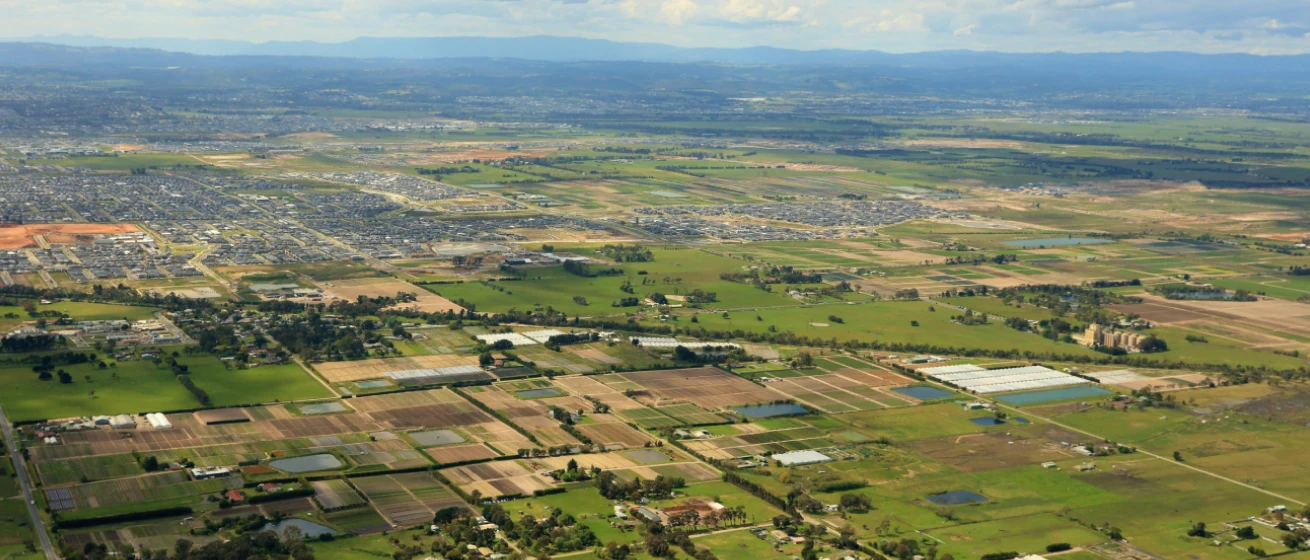
Residential Land
Across Australia’s East coast RPM has the ideal land to suit your lifestyle and dream home, explore the projects RPM is proud to be partners in selling.
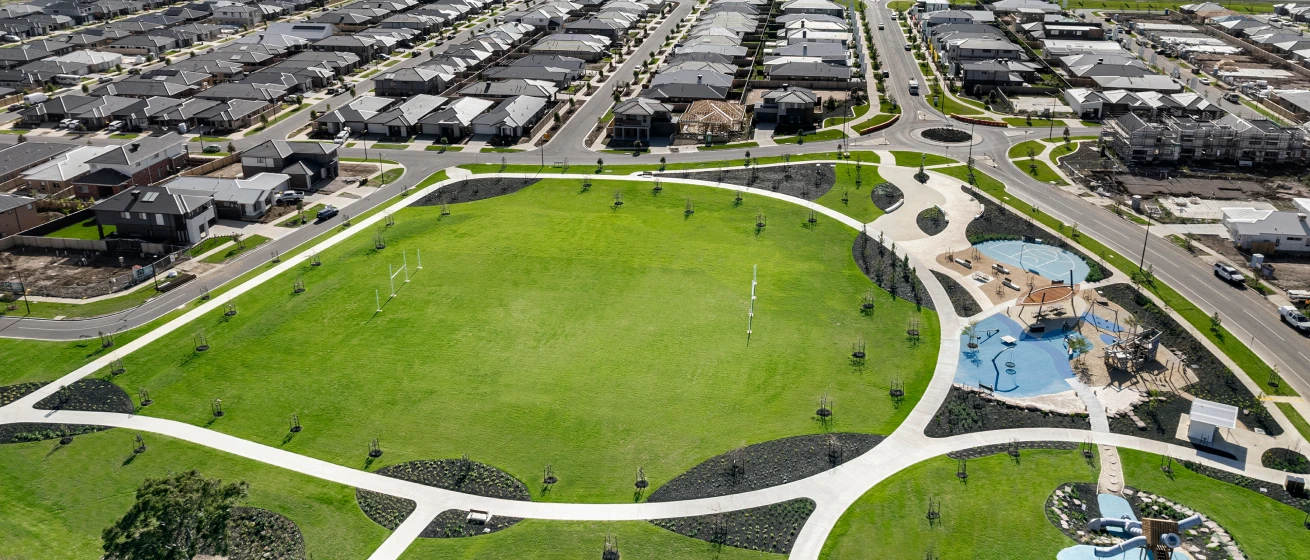
Townhomes
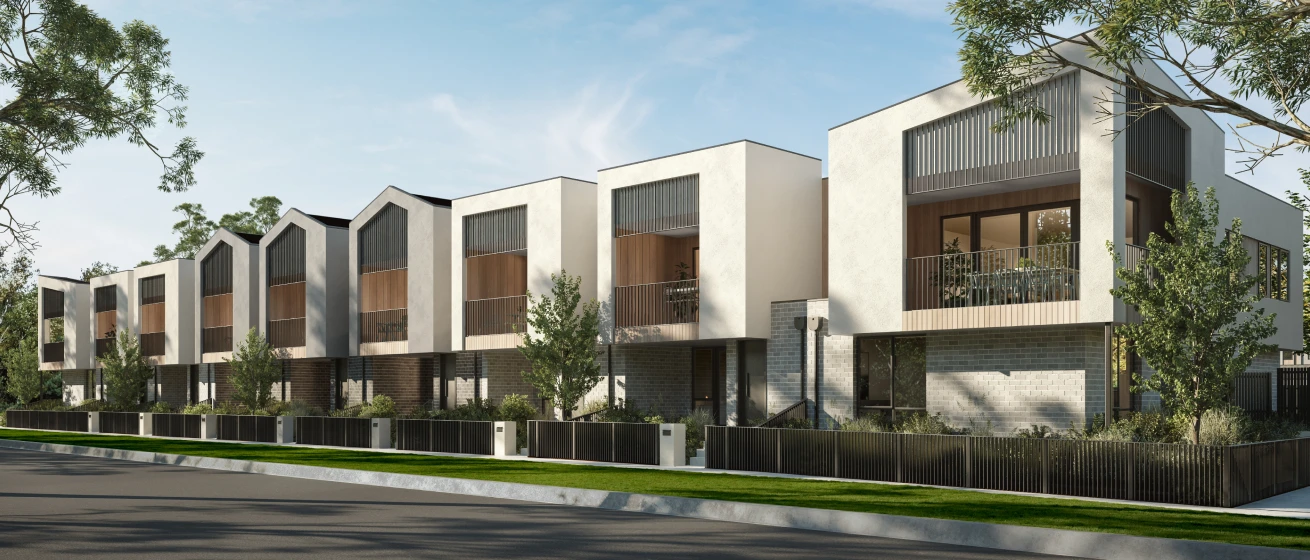
With townhouses to suit every lifestyle and budget, find your perfect home today.
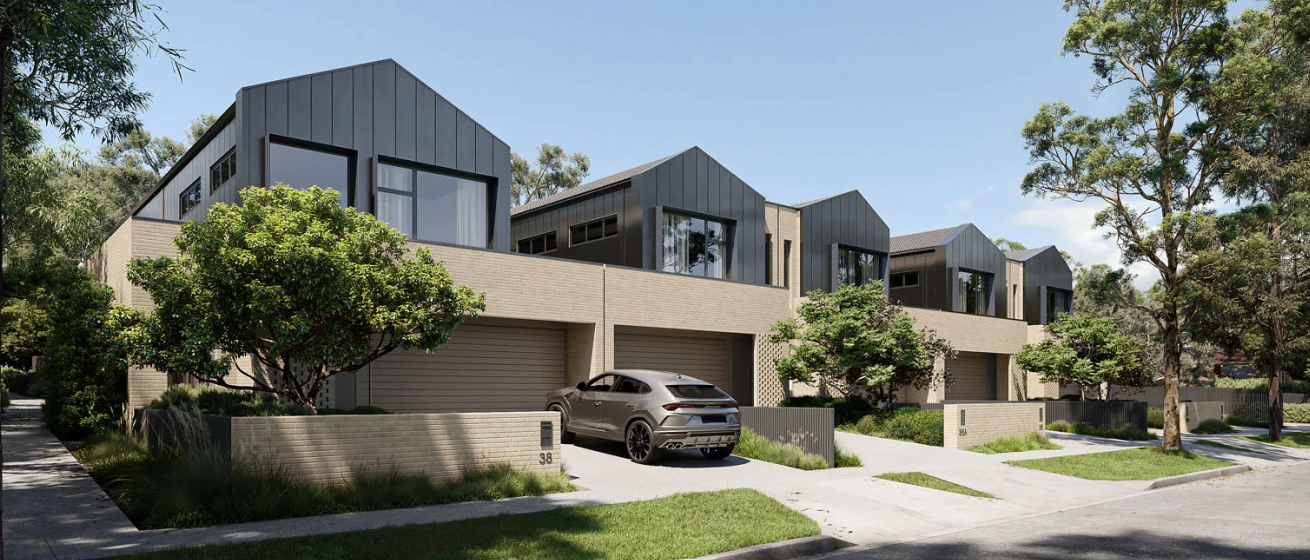
Apartments
Inner city & coastal new apartment projects. Explore our projects to find your perfect location and style of living.

RPM offer a comprehensive suite of professional services at every stage of your property journey.

RPM offer a comprehensive suite of professional services at every stage of your property journey.

Pioneering new benchmarks in property intelligence, know-how, and data-driven insights, read the RPM Group's story.
Our Story
Since 1994, RPM has grown to become the industry-leader with an expanding national presence; offering a comprehensive suite of services
Our Team
The heart of our business are the people who make it thrive. Discover the passion and dedication of our national team.

Careers
Our team of property experts is truly unparalleled. See how you can join this exceptional group and shape your future with us.



Late 2025 was shaping up well. Rates were easing, unit markets were gaining ground, and first home buyer policy was having a real effect. Then conditions shifted. Here is what happened and what developers and property professionals should expect from here.
The Picture at the End of 2025
Easing rates had lifted sentiment heading into the final stretch of 2025. Middle and outer ring unit markets were gaining ground, and first home buyer policies were having a tangible effect on activity and loan volumes.
The inner ring remained quieter, with activity largely focused on completing existing projects while the market waited for feasibility conditions to improve for new medium and higher density developments.
February 2026 Changed the Equation
Conditions shifted materially from February 2026. The RBA raised the cash rate in response to persistent domestic inflation, and escalating geopolitical tensions have since pushed energy costs higher and reinforced expectations of further rises. Much of the monetary easing observed through 2025 is now expected to unwind, with policy settings moving back toward the restrictive levels of late 2023 and 2024.
Construction Costs Are the More Immediate Problem
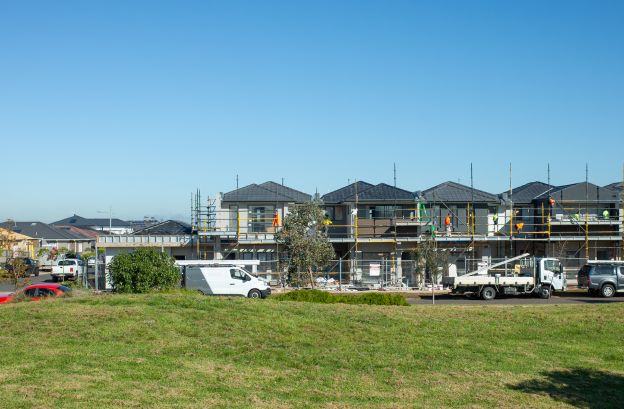
The more acute near term risk is energy and fuel costs. Rising oil and diesel prices are feeding directly into freight, manufacturing, and construction costs. Cement, steel, bitumen, ceramics, plastics, and PVCs are all affected. Given how broadly these inputs are used across the sector, the pressure is expected to be widespread and persistent.
Medium and higher density residential will feel this most, particularly at the upper end where feasibility is most sensitive to cost escalation and rate movements. Policy support may continue to underpin lower price point segments, but overall demand is expected to soften.
What This Means for Developers
For developers, the near term points to elevated and volatile input costs, tighter funding conditions, and more complex feasibility, without the demand tailwinds of the post Covid period. It is a more demanding operating environment by most measures.
That said, these same conditions tend to produce a more disciplined, supply constrained market. Over the medium term, that dynamic should support price resilience and favour developers with strong balance sheets, efficient product offerings, and the capacity to respond to shifting buyer demand.
Want the Full Picture?
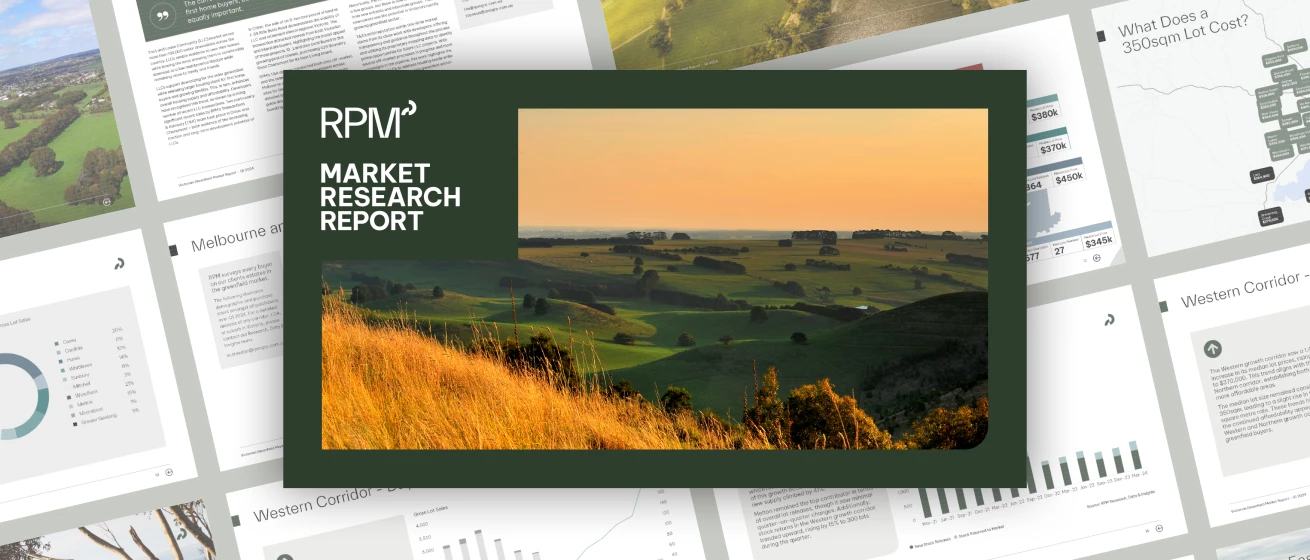
This article draws on findings from RPM Group’s VIC Apartments & Townhomes Market Report. Access the complete data and market forecasts in the full report.