


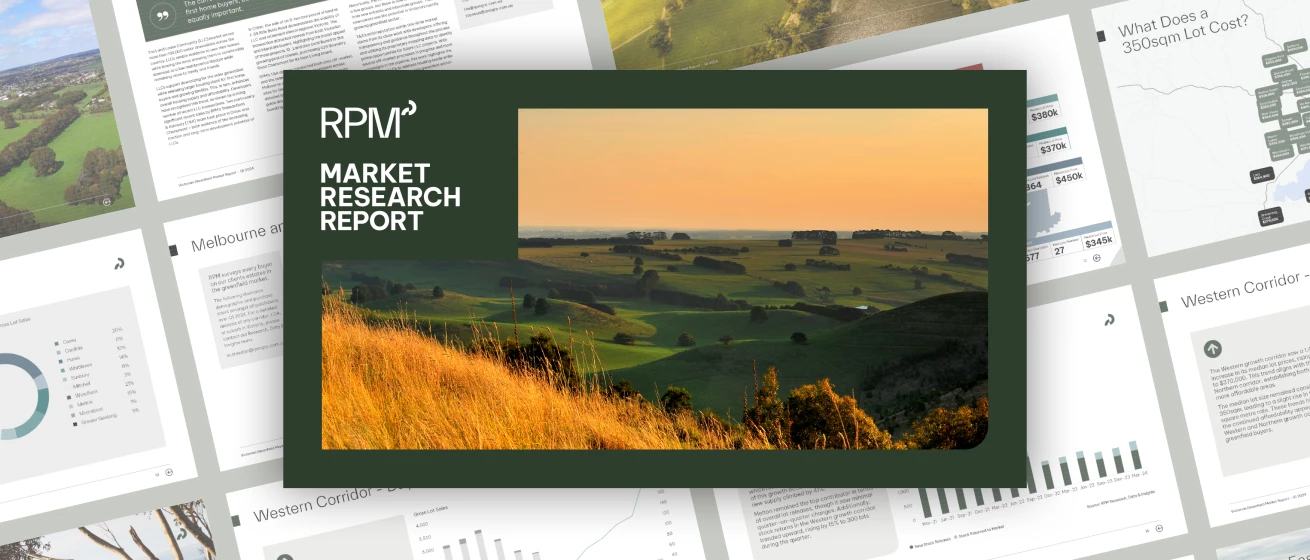
From development land, residential land to townhomes whatever you are looking for RPM has the ideal location for you.
From development land, residential land to townhomes whatever you are looking for RPM has the ideal location for you.

Development Land
Specialists in sourcing and selling development land for commercial and residential projects. Explore current and past opportunities.
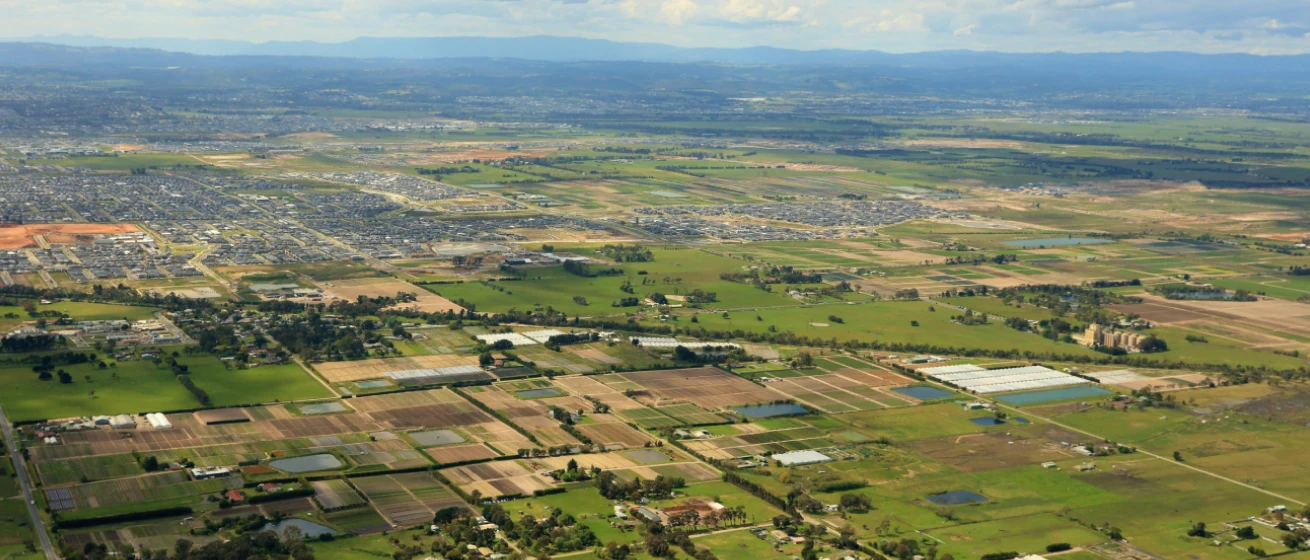
Residential Land
Across Australia’s East coast RPM has the ideal land to suit your lifestyle and dream home, explore the projects RPM is proud to be partners in selling.
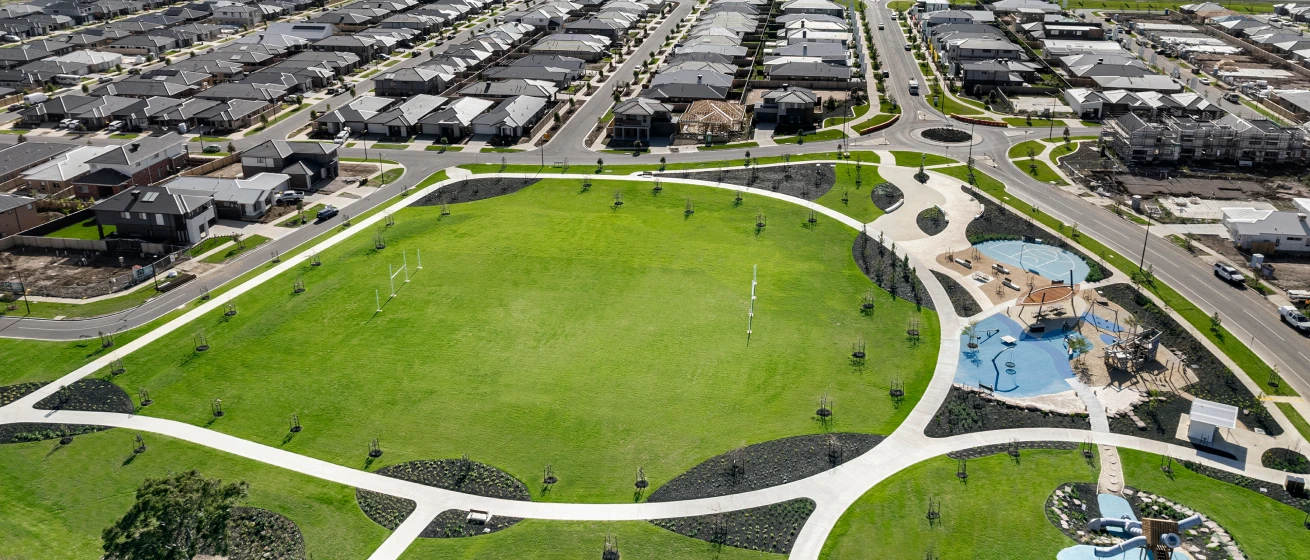
Townhomes
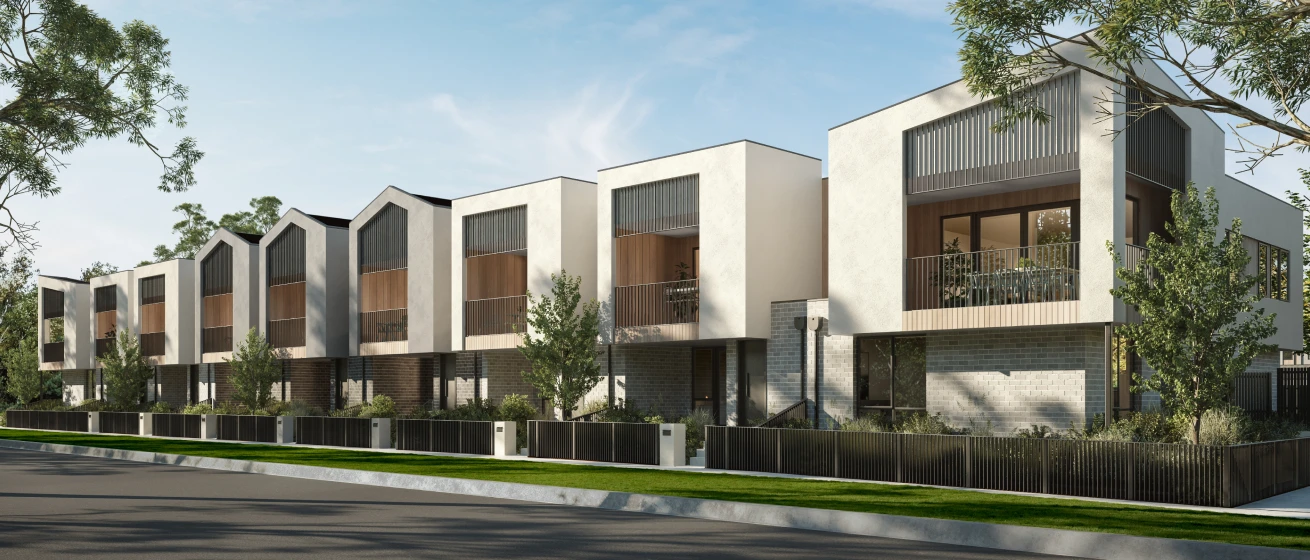
With townhouses to suit every lifestyle and budget, find your perfect home today.
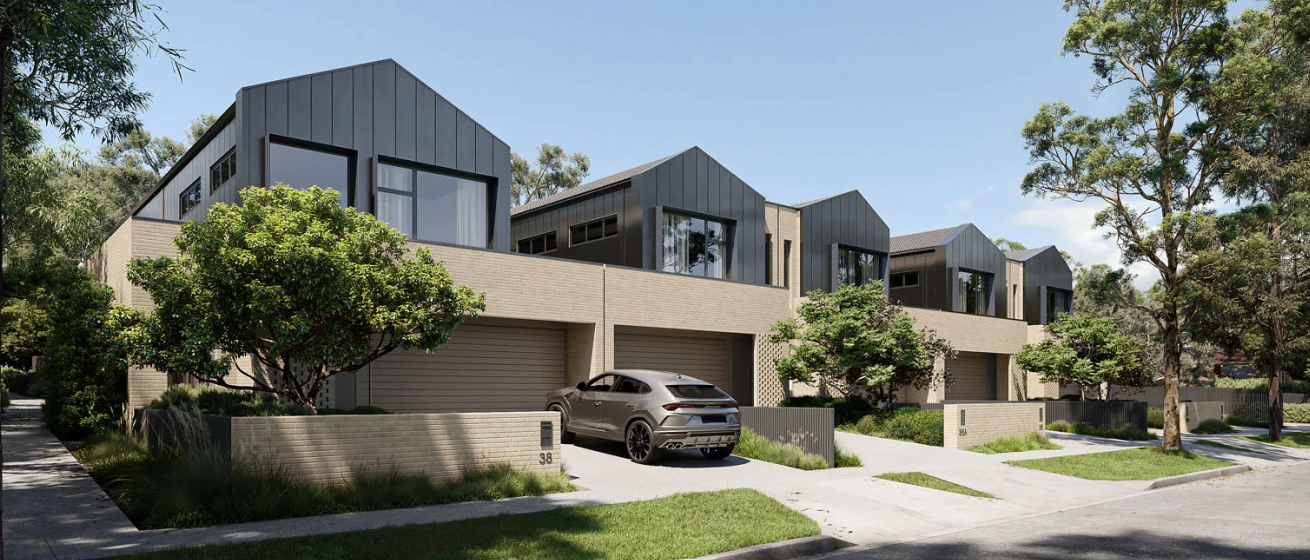
Apartments
Inner city & coastal new apartment projects. Explore our projects to find your perfect location and style of living.

RPM offer a comprehensive suite of professional services at every stage of your property journey.

RPM offer a comprehensive suite of professional services at every stage of your property journey.

Pioneering new benchmarks in property intelligence, know-how, and data-driven insights, read the RPM Group's story.
Our Story
Since 1994, RPM has grown to become the industry-leader with an expanding national presence; offering a comprehensive suite of services
Our Team
The heart of our business are the people who make it thrive. Discover the passion and dedication of our national team.

Careers
Our team of property experts is truly unparalleled. See how you can join this exceptional group and shape your future with us.



One of the most common questions we hear from landowners is simple: ‘What is my land actually worth?’ It sounds straightforward, but development land doesn’t work like residential real estate. There’s no auction clearance rate to benchmark against, no median price per suburb to point to. The value of development land is forward-looking — it’s based on what a developer believes they can build and sell, not on what the block looked like when you moved in.
This guide explains how development land is valued in Melbourne’s growth corridors, what drives the difference between a good result and a great one, and what you can do to maximise your outcome.
The core concept: residual land value
Every developer — from a small private operator to a listed company like Stockland or Mirvac — uses the same fundamental method to value land. It’s called residual land value, and it works like this:
The developer starts with the end product — the finished lots or homes they expect to sell — and works backwards:
• Gross realisable value (GRV): the total revenue they expect from selling all developed lots
• Less development costs: civil works, infrastructure contributions, design, planning, project management
• Less selling and marketing costs: typically 2–4% of GRV
• Less holding costs: interest on land and development finance over the project timeline
• Less profit margin: developers typically target 15–25% return on cost for greenfield projects
• What remains is the residual land value — the maximum they’re prepared to pay for the raw land
This means your land’s value is intimately connected to what finished lots are selling for in your area, what it costs to develop them, and how long the project will take. A developer acquiring land in a corridor where finished lots are achieving $400,000 will pay significantly more than one operating in a corridor where lots are sitting at $280,000.
This is why RPM tracks over 600 active land estates across the east coast every month. The pricing data we collect on finished lots directly informs what development land is worth — and that intelligence is available to our vendor clients.
What drives value up
Within the residual land value framework, certain characteristics move the needle significantly:
Planning status
Land that has been through the Precinct Structure Plan (PSP) process in Victoria is worth substantially more than land that hasn’t. PSP approval means the state government has already planned and approved the future use of the land, reducing the developer’s risk and timeline. Land sitting inside an approved PSP but not yet rezoned commands a premium over land outside the PSP boundary entirely.
When rezoning is formally achieved — moving from rural zone to urban growth zone — values can increase by 30–60% or more depending on location and timing.
Lot yield
Higher yield means more lots to sell, which means higher GRV, which means the developer can pay more for the land. Yield is affected by lot size, road frontage, creek and drainage reserves, infrastructure corridors, and council requirements. A site that yields 150 lots per 10 hectares versus one that yields 110 lots is materially different in value.
RPM’s GIS mapping capability allows us to model indicative yields for a given site before any formal planning work has been done — giving vendors a realistic view of their land’s development potential.
Corridor activity and competition
Development land in Melbourne’s most active corridors — currently the south east (Casey/Cardinia) and north (Whittlesea/Hume) — attracts the most competitive bidding because more developers are actively looking for land there. This competition is what drives price beyond the residual value floor. According to RPM’s Q1 2024 Victorian Greenfield Market Report, Melbourne’s northern corridors recorded a 19% increase in gross lot sales against the prior quarter — the kind of activity signal that translates directly into developer demand for land acquisition.
Servicing
Land that is already within reach of reticulated water, sewerage, and sealed road access costs the developer less to develop, which improves their margin — and therefore their land bid. Unserviced land in early-stage corridors will be priced accordingly.
What drives value down
• Poorly shaped or constrained parcels that reduce achievable yield
• Environmental overlays — significant native vegetation, waterways, or contamination
• Infrastructure gaps — distance from services adds cost and risk
• Market timing — developer appetite fluctuates; a site that would have transacted at peak in 2021 may take longer and achieve less in a softer market
• Title complexity — multiple owners, easements, or encumbrances all add legal risk that buyers will price in
On-market vs off-market: what it means for price
Development land is often sold off-market, and this is not a disadvantage for the vendor when managed correctly. An off-market process targets the most active developers in the relevant corridor directly — the people most likely to pay the strongest price — rather than casting a broad net.
What determines whether you achieve the best possible price is competition. Whether the process is on-market or off-market, having multiple credible parties bidding against each other is what pushes price above the residual floor. A skilled transactions agent designs the process to maximise that competition. RPM’s Transactions & Advisory team has transacted over $900 million in development land across Melbourne, Geelong, and regional Victoria. The depth of our developer relationships — built over 30 years — means we know who is actively looking, at what scale, and in which corridors.
Getting your own appraisal
If you’re curious about what your land might be worth to a developer, the starting point is a confidential appraisal with a specialist land transactions agent. This is different from a residential valuation — it requires an agent who understands the planning context, knows current developer appetite in your corridor, and has access to real comparable sales data.
RPM’s appraisals are backed by the same research platform used by Melbourne’s major developers — giving you the same quality of information that’s on the other side of the negotiating table.