



From development land, residential land to townhomes whatever you are looking for RPM has the ideal location for you.
From development land, residential land to townhomes whatever you are looking for RPM has the ideal location for you.

Development Land
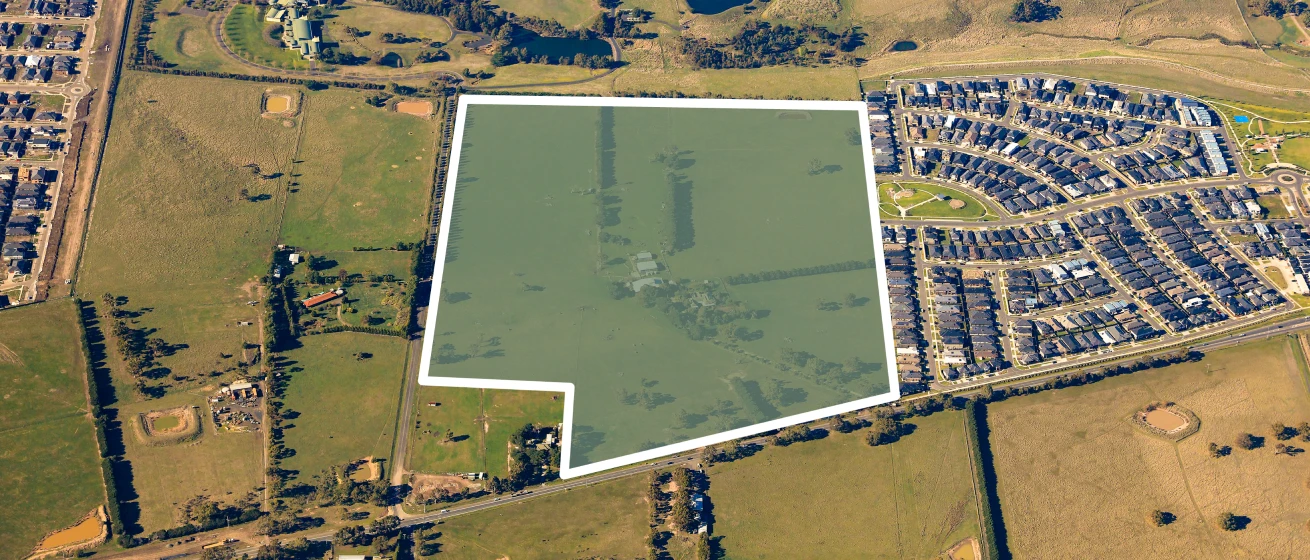
Specialists in sourcing and selling development land for commercial and residential projects. Explore current and past opportunities.
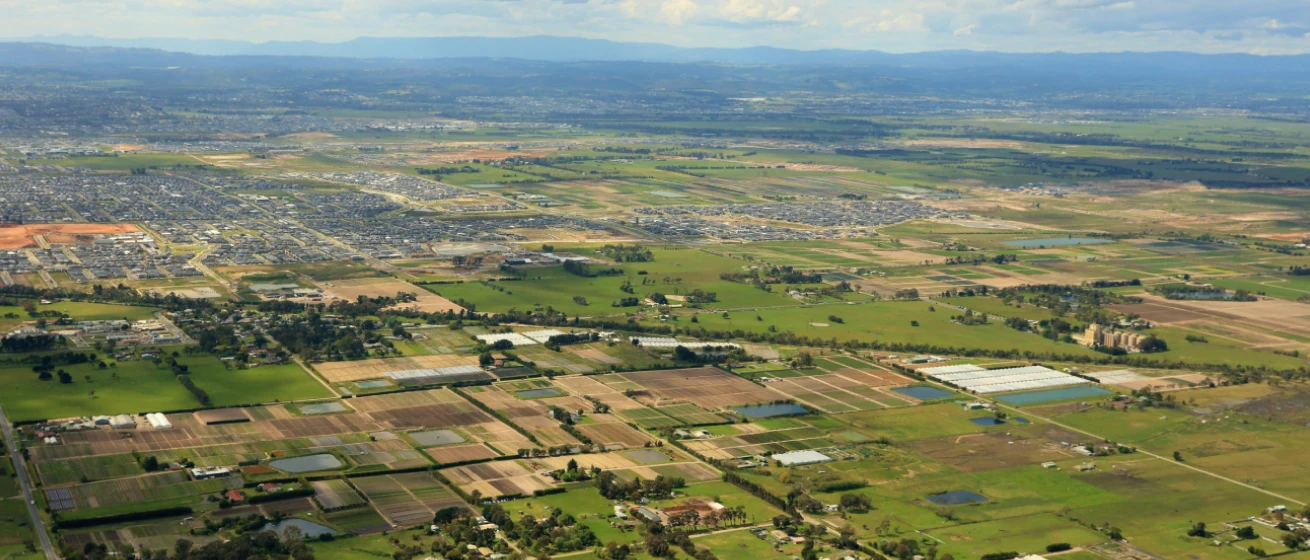
Residential Land
Across Australia’s East coast RPM has the ideal land to suit your lifestyle and dream home, explore the projects RPM is proud to be partners in selling.
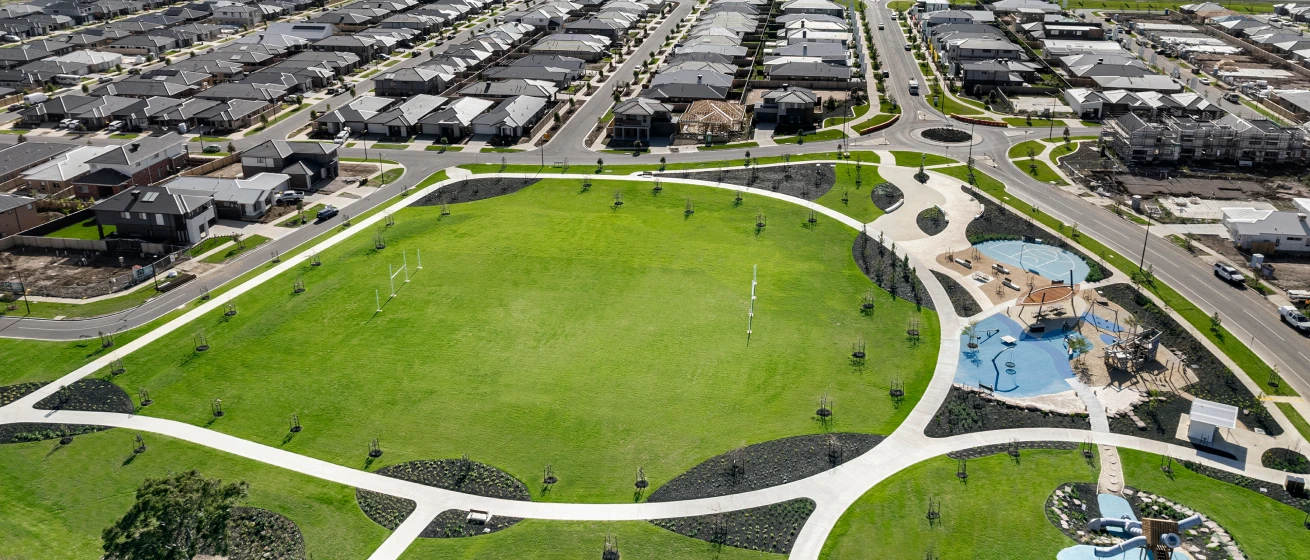
Townhomes
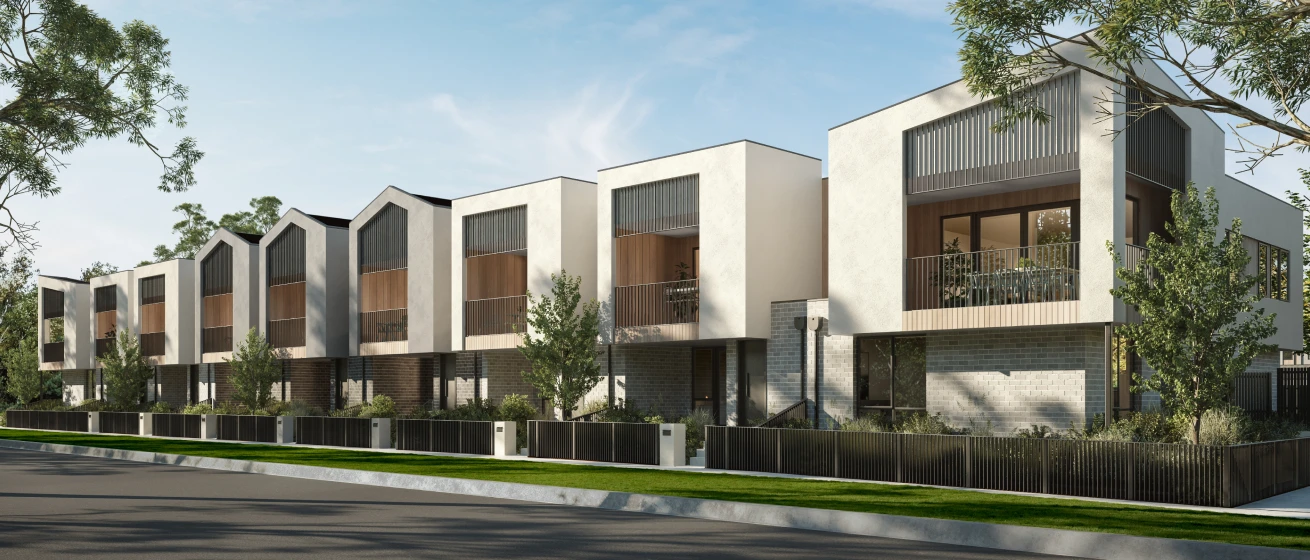
With townhouses to suit every lifestyle and budget, find your perfect home today.
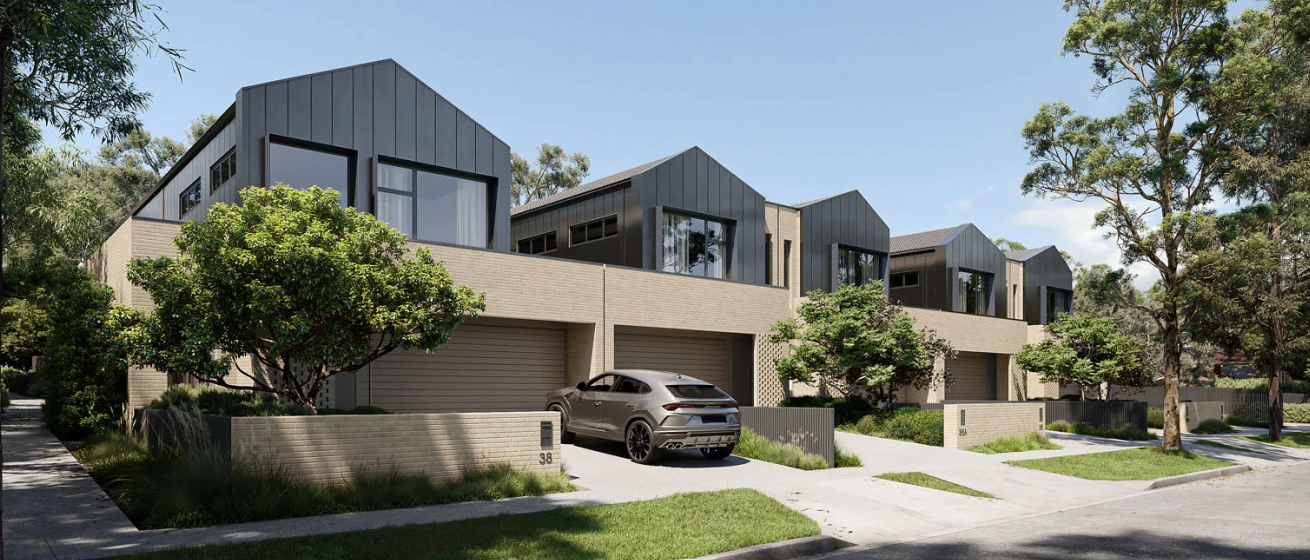
Apartments
Inner city & coastal new apartment projects. Explore our projects to find your perfect location and style of living.

RPM offer a comprehensive suite of professional services at every stage of your property journey.

RPM offer a comprehensive suite of professional services at every stage of your property journey.

Pioneering new benchmarks in property intelligence, know-how, and data-driven insights, read the RPM Group's story.

Our Story
Since 1994, RPM has grown to become the industry-leader with an expanding national presence; offering a comprehensive suite of services
Our Team
The heart of our business are the people who make it thrive. Discover the passion and dedication of our national team.
Careers
Our team of property experts is truly unparalleled. See how you can join this exceptional group and shape your future with us.



The capital pool transacting on SEQ greenfield sites today is materially different to what it was 18 months ago. Understanding who is bidding has become as important as understanding what a site is worth.
Across RPM’s on and off market campaigns over the past 12 months, five distinct buyer cohorts are appearing at the table, each with different underwriting logic, capital horizons, and preferred deal structures.
Private capital syndicates have been the standout cohort. Typically, experienced operators backed by high net worth, family office, or private equity capital, they have been responsible for a disproportionate share of sites transacted over the past 12-18 months. Their edge is threefold: they move faster than institutions through diligence, they accept complexity that larger groups will not underwrite, and their revenue assumptions reflect genuine conviction in the SEQ supply demand thesis.
On several recent RPM campaigns, they have outbid larger, better resourced groups on sites in the 200 to 500+ lot bracket through cleaner terms, shorter conditions, and surety of execution. Campaigns that fail to engage this cohort directly are leaving value on the table.

Listed and institutional developers remain the most disciplined end of the market, underwriting to published hurdle rates and typically requiring scale of at least 500 lots to justify diligence spend. They are most active in the established Logan, Ipswich, and Moreton Bay corridors where production efficiency can be leveraged across multiple stages. Slower to commit, but rarely re-trading once they do.
Family offices and longer dated private capital have become a meaningful presence on englobo and land uplift opportunities. Their ability to hold for extended periods allows them to underwrite sites that time constrained cohorts cannot, particularly in PDAs with longer term horizons but clear underlying value. Over the past six months there has been a notable expansion in Australian family office mandate targeting SEQ residential land, driven by the view that the structural supply shortage is unlikely to resolve inside their investment horizon.
Offshore capital has accelerated. While most cross-border volume still targets commercial assets, the flow through into residential via joint ventures with established local operators is real and growing. Singaporean and Japanese groups are leading enquiries, and Queensland is capturing a growing share of national offshore activity.
Mid-tier local private developers remain the backbone of the SEQ market but are more selective than they were. Many have spent the past 12-18 months working through legacy stock and are now reentering acquisitions. They continue to dominate the DA, value add, and land uplift tier, where planning expertise, contractor relationships, and local landowner awareness create value that larger or less locally experienced cohorts cannot easily replicate.
The practical takeaway is that a one size fits all process is leaving value on the table. The strongest outcomes come from campaigns calibrated to the buyer cohorts most likely to transact on that specific site. Different sites require different processes, different timelines, and different conditions of sale.
Want the Full Picture?
This article draws on findings from RPM Group’s SEQ Greenfield Market Report – April 2026. Access the complete data and market forecasts in the full report.