

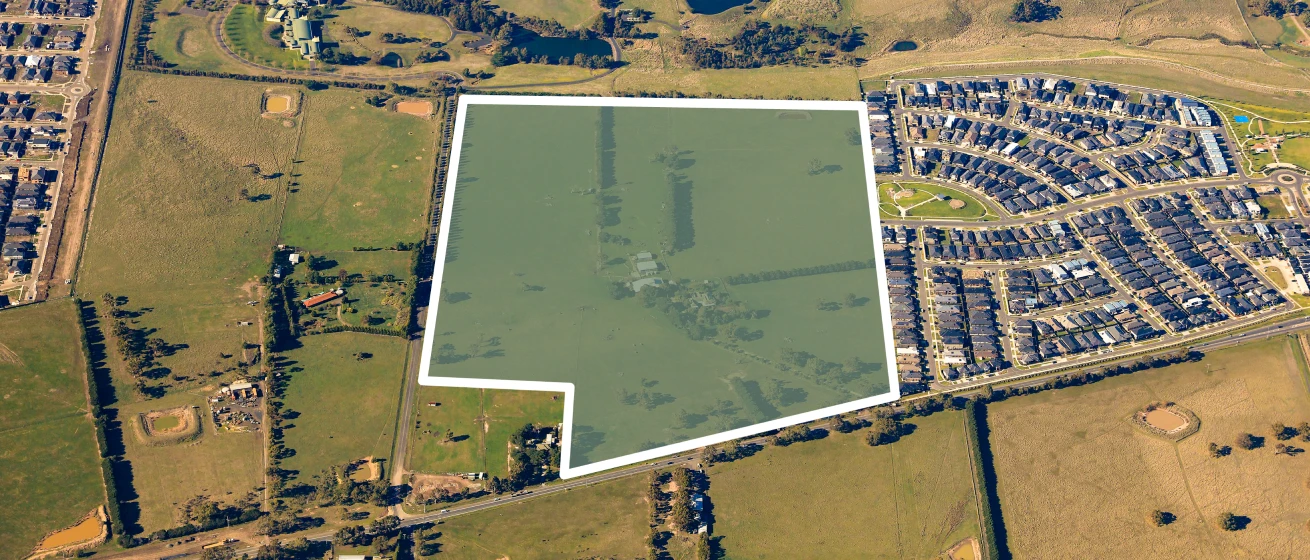


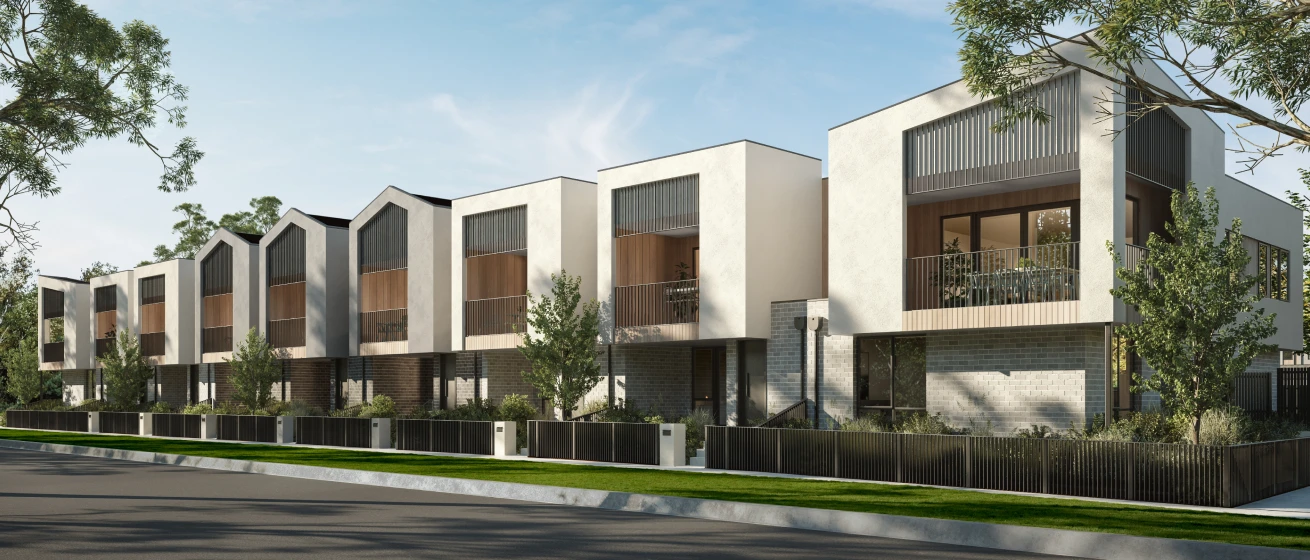

From development land, residential land to townhomes whatever you are looking for RPM has the ideal location for you.
From development land, residential land to townhomes whatever you are looking for RPM has the ideal location for you.

Development Land
Specialists in sourcing and selling development land for commercial and residential projects. Explore current and past opportunities.
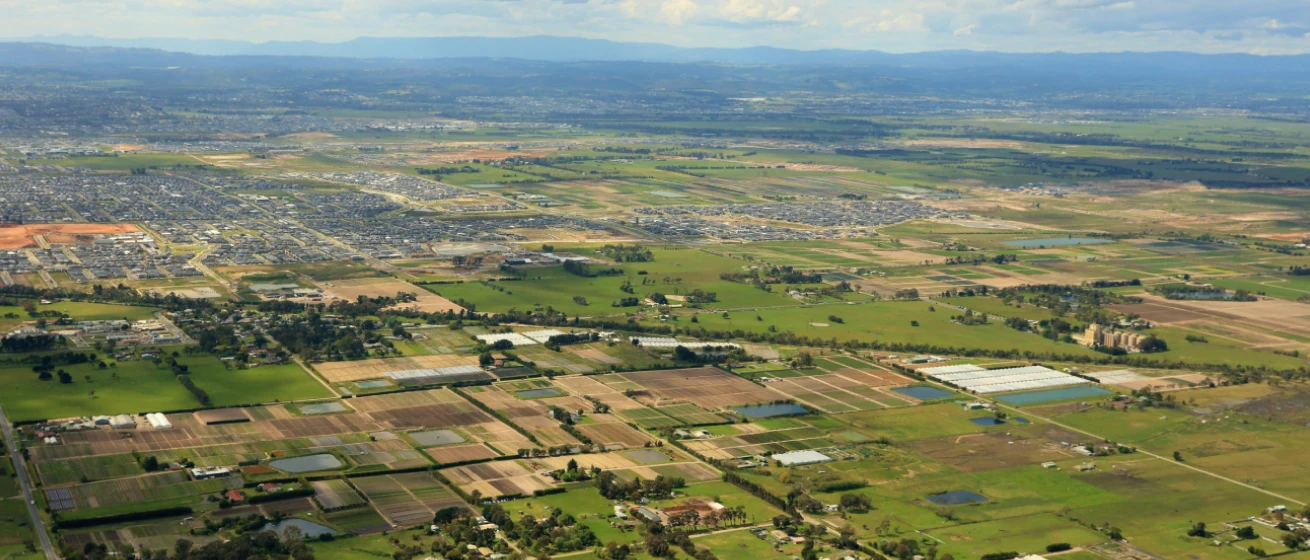
Residential Land
Across Australia’s East coast RPM has the ideal land to suit your lifestyle and dream home, explore the projects RPM is proud to be partners in selling.
Townhomes
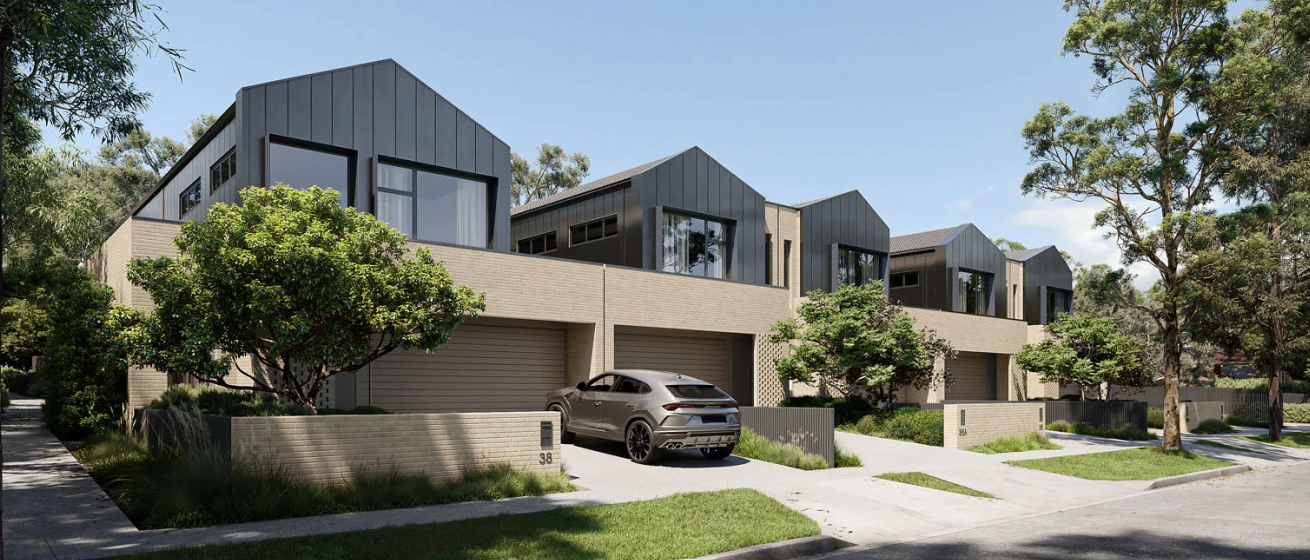
With townhouses to suit every lifestyle and budget, find your perfect home today.
Apartments
Inner city & coastal new apartment projects. Explore our projects to find your perfect location and style of living.

RPM offer a comprehensive suite of professional services at every stage of your property journey.

RPM offer a comprehensive suite of professional services at every stage of your property journey.

Pioneering new benchmarks in property intelligence, know-how, and data-driven insights, read the RPM Group's story.

Our Story
Since 1994, RPM has grown to become the industry-leader with an expanding national presence; offering a comprehensive suite of services
Our Team
The heart of our business are the people who make it thrive. Discover the passion and dedication of our national team.

Careers
Our team of property experts is truly unparalleled. See how you can join this exceptional group and shape your future with us.



What major changes have you seen in development financing in Queensland over the past few years?
One of the biggest changes is around developer-builders*. That’s probably the largest piece that has changed for us over the last couple of years. Builders are expensive right now, and often hard to get a hold of, so developers are asking themselves how they can bring the expertise in house.
From a finance perspective, the gap between lending for a developer-builder versus a third party builder has really closed. The industry has standardised processes and due diligence, so banks feel confident supporting these projects.
The other big change, over maybe five years, is just a lot more comfort and appetite around the Queensland market. It’s not just Brisbane anymore; the Gold Coast and Sunshine Coast have their own centre of gravity. Young professionals, downsizers, and owner occupiers are driving demand, not just tourists. That has really strengthened confidence across the board.
* A company who develops, builds, and sells a property from start to finish.

What are the major differences in financing for a developer-builder and a developer who engages a third party builder?
Previously, there was probably a 5%-10% gap in leverage between developer-builders and third party contractors. Today, for the right project with the right expertise and track record, that gap has narrowed. It requires deeper due diligence, but it’s absolutely doable.
Like in Victoria, we’re also seeing more collaboration between major banks and private lenders, especially for early stage funding. Developers may start a project with non-bank finance before presales have arrived, and then a major bank steps in later, on cheaper terms. That helps get projects moving faster and supports overall supply.

How do current risk profiles vary across different regions and product types?
We tend to view SEQ as a whole, rather than separating Brisbane from the rest. There is a strong outlook for the Gold Coast and Sunshine Coast, and we’re encouraged by the fundamentals around factors like population growth which are driving activity in SEQ. Other centres such as Townsville, Cairns and Toowoomba also look more solid than in previous cycles, albeit not to the same extent as SEQ.
Product wise, things have evolved a lot. Ten years ago, we were focused on small one bedroom units, mostly investor driven. That has largely eased, and today, there is recognition that the market needs a larger range of product types from townhouses to low, medium, and high density apartments – including two and three bedroom units. Three bedroom units are still in short supply nationally.
Owner occupiers, downsizers, and first time buyers’ needs all matter. We really need an increase in supply and a variety of product types.
For more insights on finance and lending in the SEQ apartment market, read the full interview here.