

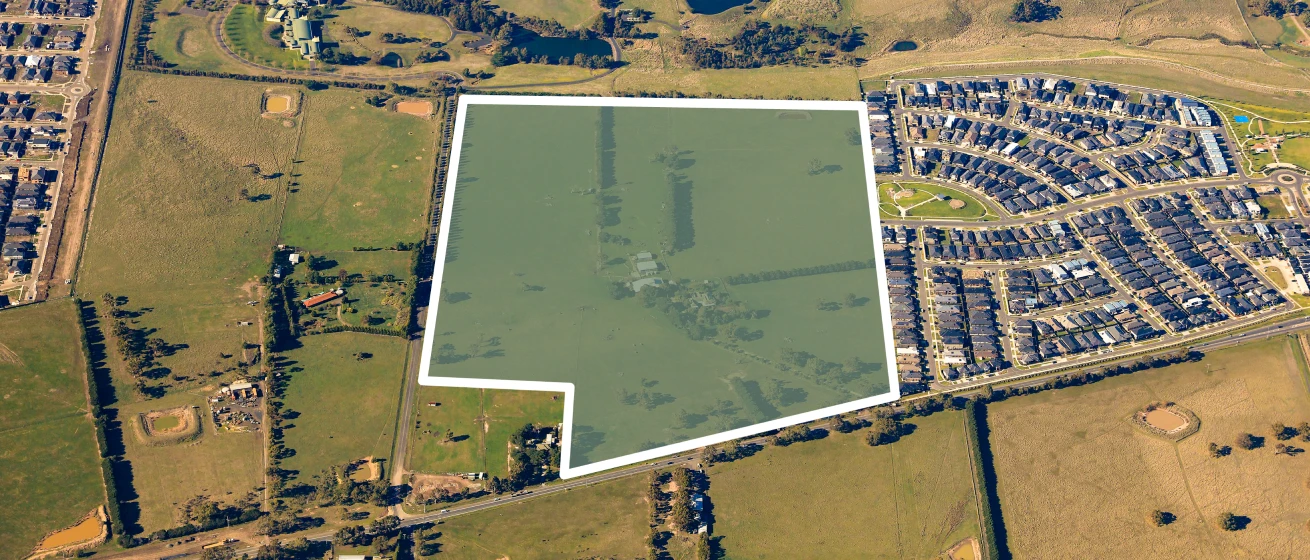


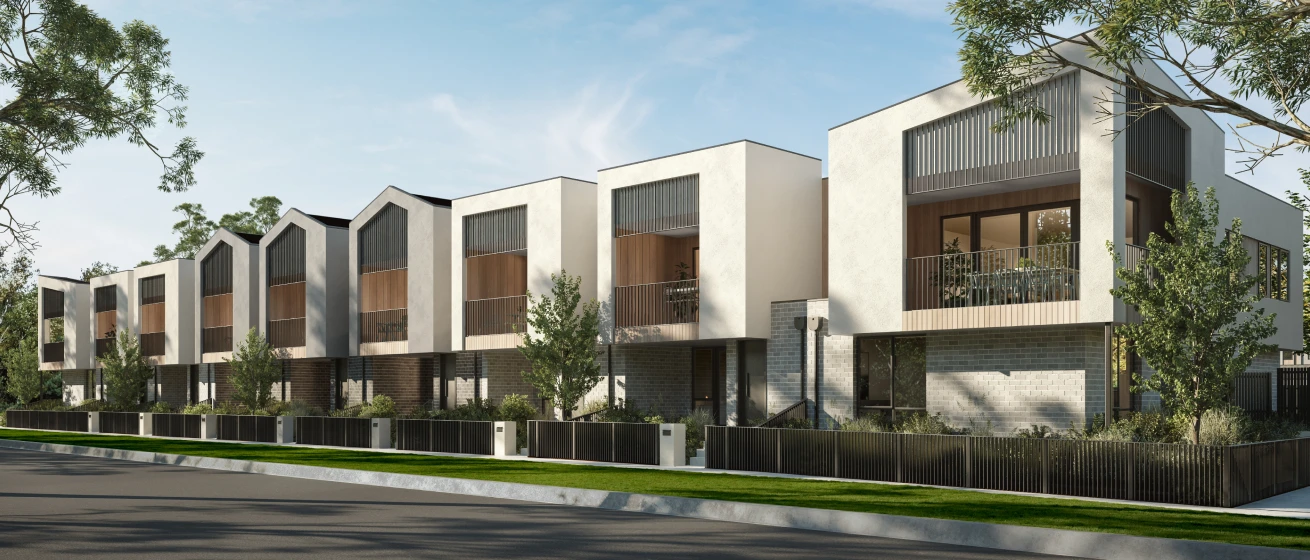

From development land, residential land to townhomes whatever you are looking for RPM has the ideal location for you.
From development land, residential land to townhomes whatever you are looking for RPM has the ideal location for you.

Development Land
Specialists in sourcing and selling development land for commercial and residential projects. Explore current and past opportunities.
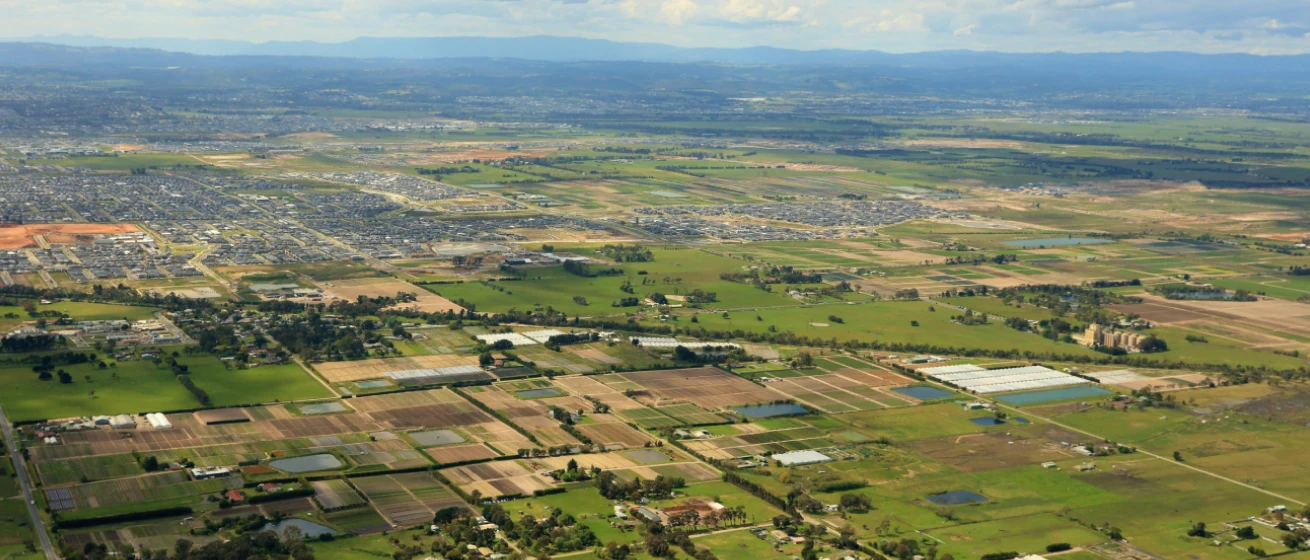
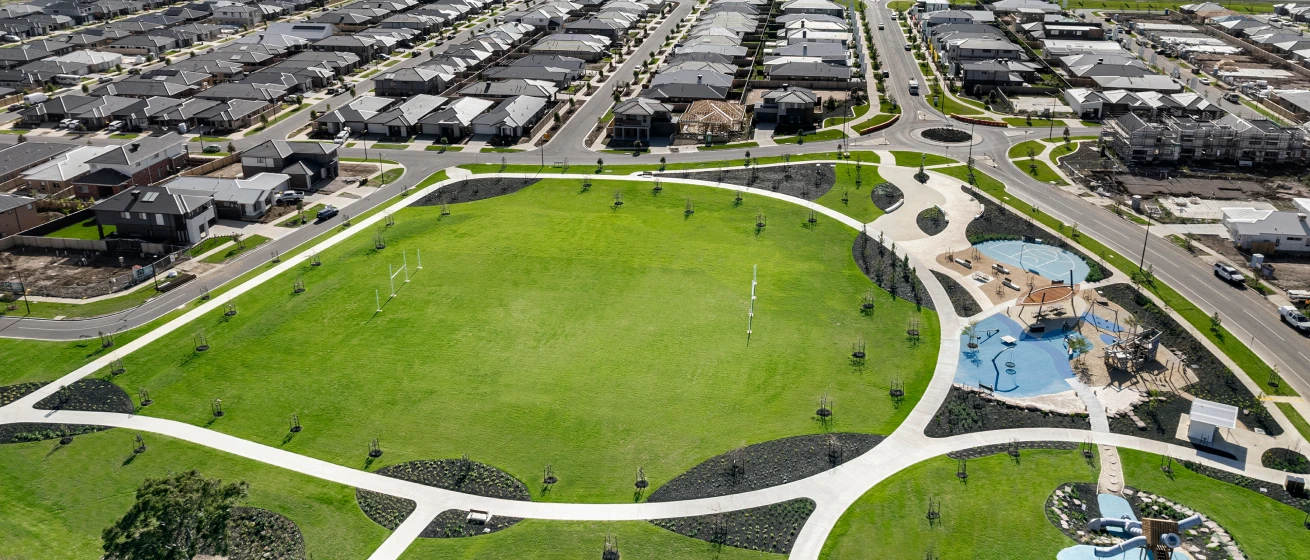
Residential Land
Across Australia’s East coast RPM has the ideal land to suit your lifestyle and dream home, explore the projects RPM is proud to be partners in selling.
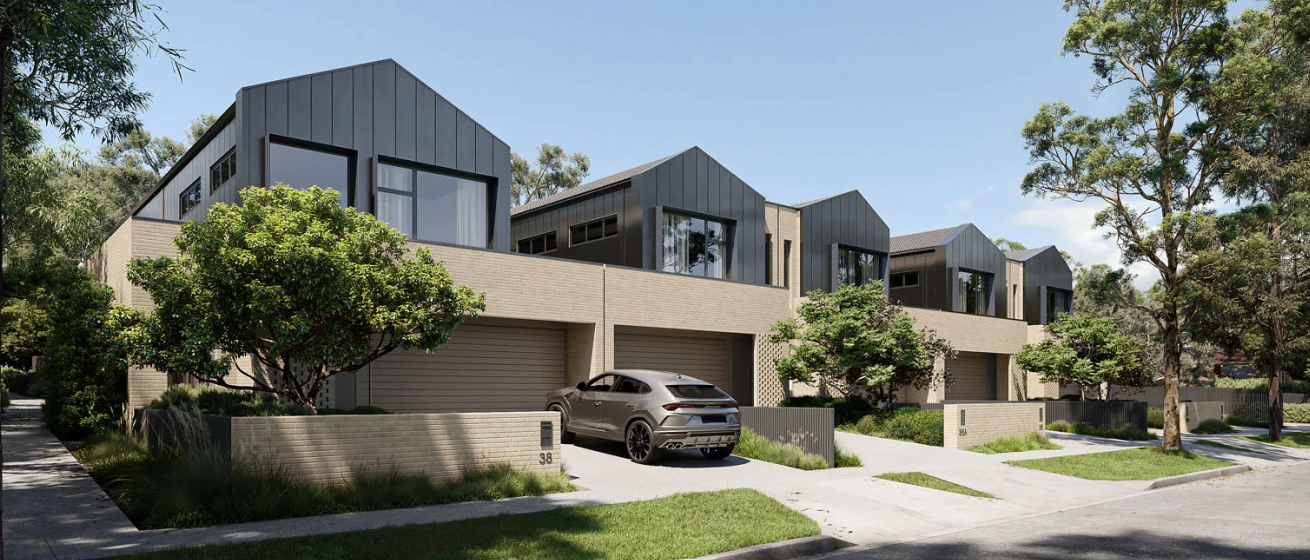
Townhomes
With townhouses to suit every lifestyle and budget, find your perfect home today.
Apartments
Inner city & coastal new apartment projects. Explore our projects to find your perfect location and style of living.

RPM offer a comprehensive suite of professional services at every stage of your property journey.

RPM offer a comprehensive suite of professional services at every stage of your property journey.
Pioneering new benchmarks in property intelligence, know-how, and data-driven insights, read the RPM Group's story.
Our Story
Since 1994, RPM has grown to become the industry-leader with an expanding national presence; offering a comprehensive suite of services
Our Team
The heart of our business are the people who make it thrive. Discover the passion and dedication of our national team.

Careers
Our team of property experts is truly unparalleled. See how you can join this exceptional group and shape your future with us.



Looking at SEQ, what are the biggest risks developers are facing right now?
The main challenge has shifted. A couple of years ago, everyone was worried about construction costs and escalations. Costs are still high, but at least growth has stabilised and become more predictable. The bigger issue now is access to people; builders, contractors, and trades. There’s enormous competition for resources. The industrial sector is booming, as well as government funded infrastructure, and that’s pulling builders away from residential projects. Both of these options offer attractive work: stable, well funded, and with fewer cost risks. That makes it harder for housing projects to secure the teams they need. From ANZ’s side, we mitigate that through dedicated state based construction managers who understand the local market and can identify risks early, but it’s still a key consideration for developers.
Are there any notable differences in lending appetite between SEQ and regional Queensland?
It really depends on the scale of the regional centre. Markets like the Gold Coast, Sunshine Coast, Cairns, and Townsville still sit within our core appetite. They’re supported by strong population growth and active local economies.
Once you move into smaller, regional markets, it gets tougher. Pre-sales take longer and population growth isn’t as strong, so projects need to demonstrate clear demand. That said, if the fundamentals stack up and pre-sales flow, we’re still active in those areas.

There’s growing interest in prefab and modular housing. How is the finance sector approaching this space?
It’s a bit more complicated, and policies vary between lenders. Some have quite clear frameworks that align modular projects with standard development finance. We’ll definitely see more of this over time, not just because of affordability, but because modular homes can improve productivity.
Construction productivity in Australia has actually been going backwards for years. Prefab homes can help reverse that trend, while also rebuilding a bit of local manufacturing capability. So, it’s not the silver bullet, but it’s a really important piece of the housing supply puzzle.
This article references findings from our December 2025 SEQ Greenfield Market Report. Read the full report here.