




From development land, residential land to townhomes whatever you are looking for RPM has the ideal location for you.
From development land, residential land to townhomes whatever you are looking for RPM has the ideal location for you.

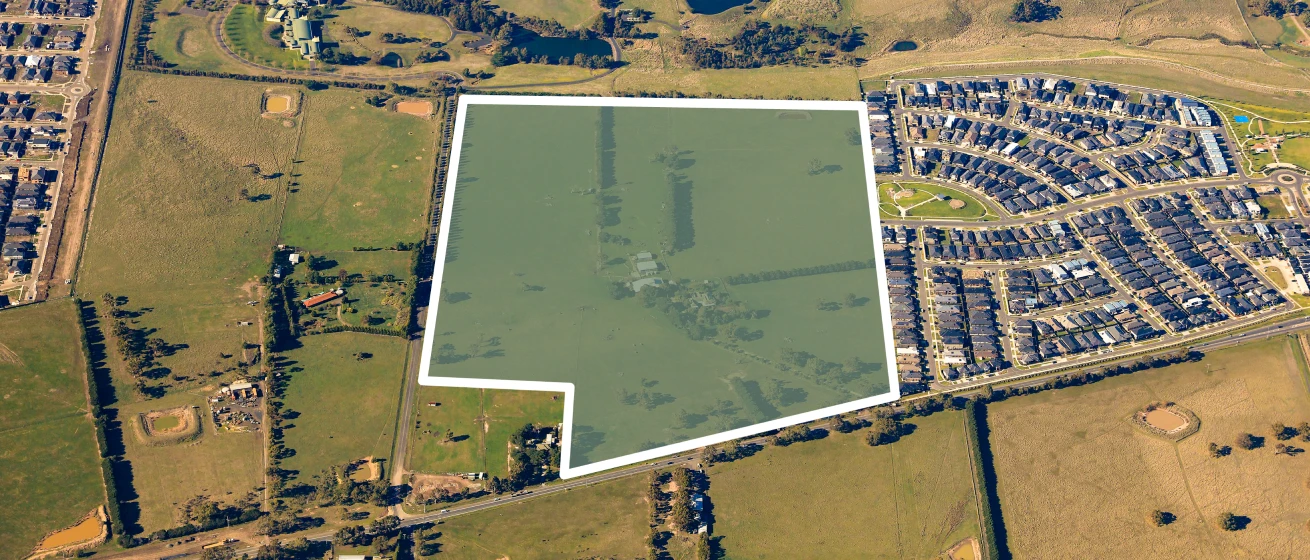
Development Land
Specialists in sourcing and selling development land for commercial and residential projects. Explore current and past opportunities.
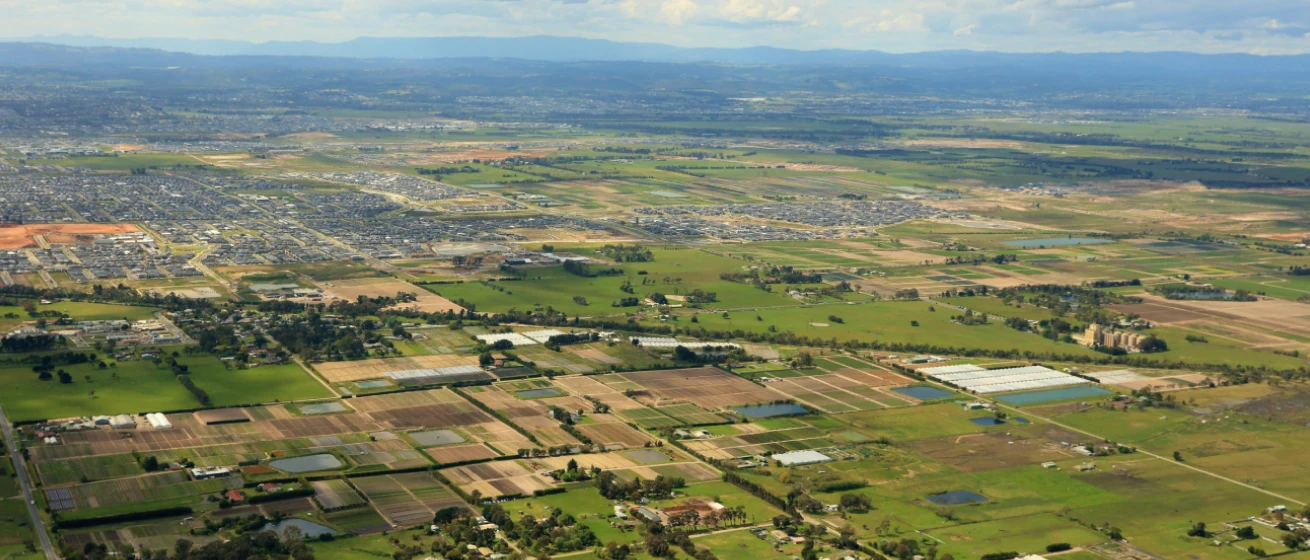
Residential Land
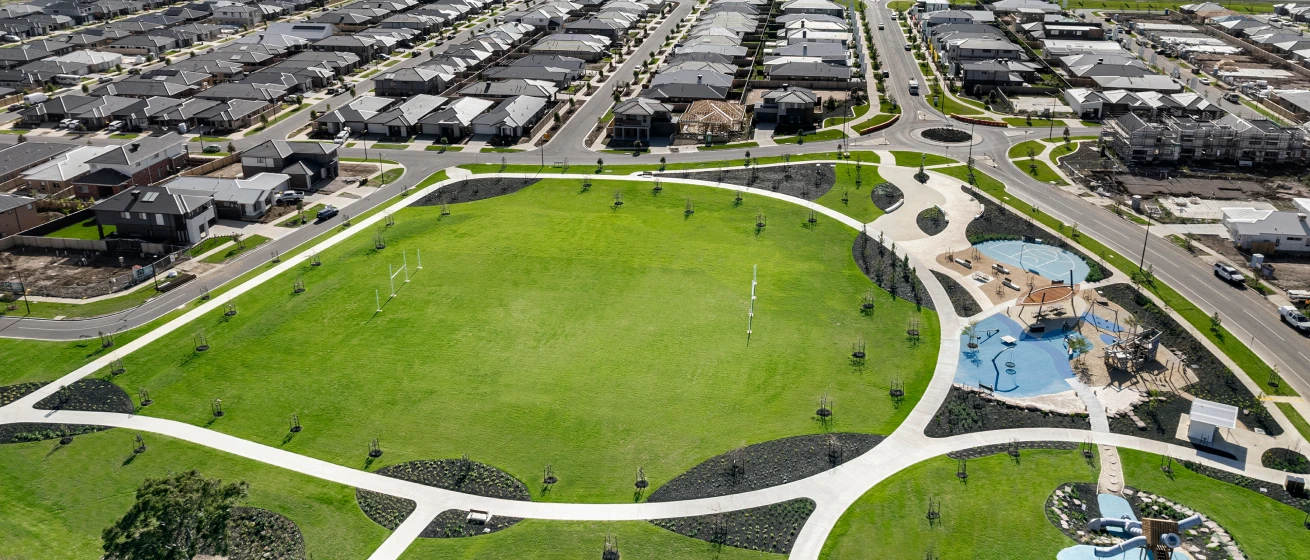
Across Australia’s East coast RPM has the ideal land to suit your lifestyle and dream home, explore the projects RPM is proud to be partners in selling.
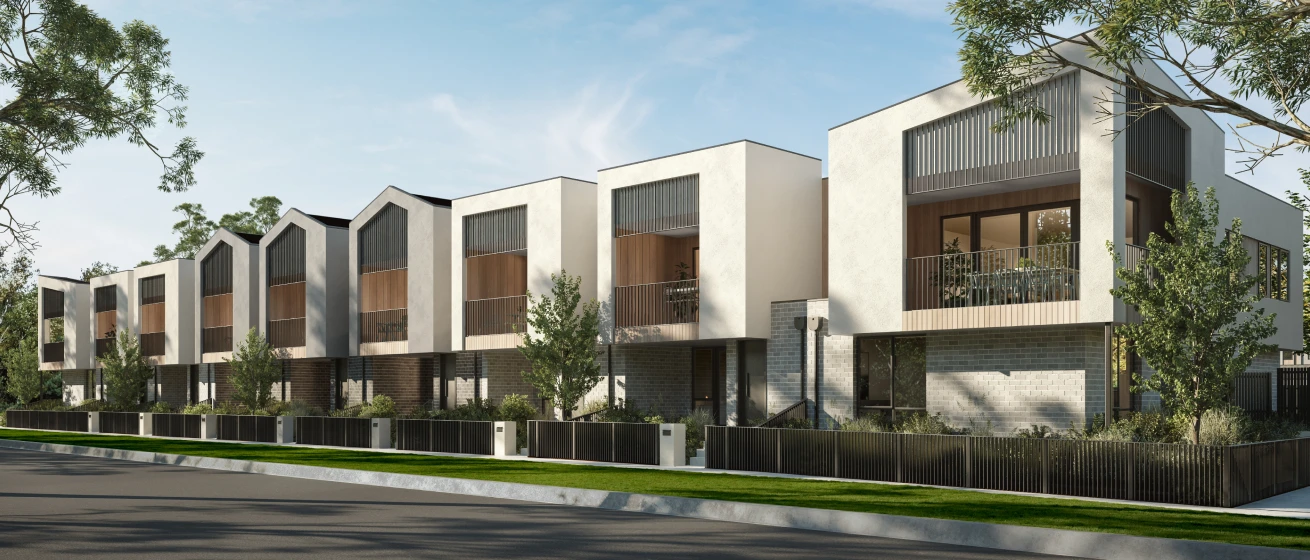
Townhomes
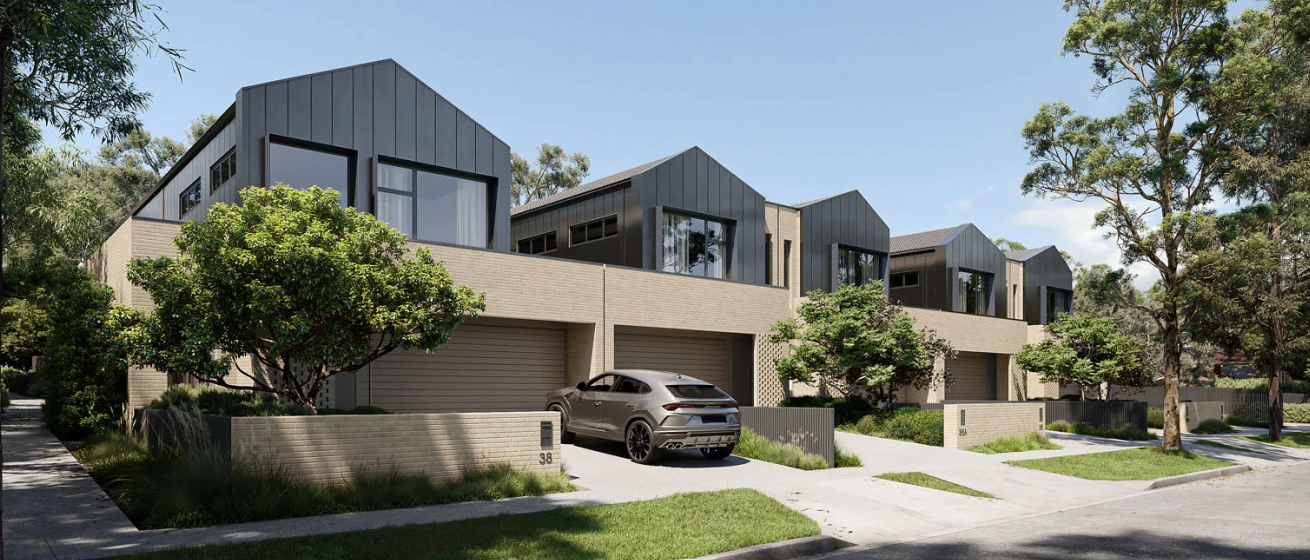
With townhouses to suit every lifestyle and budget, find your perfect home today.
Apartments
Inner city & coastal new apartment projects. Explore our projects to find your perfect location and style of living.

RPM offer a comprehensive suite of professional services at every stage of your property journey.

RPM offer a comprehensive suite of professional services at every stage of your property journey.

Pioneering new benchmarks in property intelligence, know-how, and data-driven insights, read the RPM Group's story.
Our Story
Since 1994, RPM has grown to become the industry-leader with an expanding national presence; offering a comprehensive suite of services
Our Team
The heart of our business are the people who make it thrive. Discover the passion and dedication of our national team.

Careers
Our team of property experts is truly unparalleled. See how you can join this exceptional group and shape your future with us.



Do you expect further rate rises this year?
From ANZ Research’s perspective, we’re expecting just one more rate hike this year, likely in May. Inflation has remained stubbornly above the RBA’s target band, and we think another increase will be required to ensure that inflation does start returning towards the target.
However, we don’t think we will need multiple hikes through 2026, so we expect the cash rate to remain at 4.1% for an extended period. A couple of factors support this mild interest rate view, including business surveys showing inflationary expectations are still relatively subdued, and the appreciation of the Australian dollar which will help dampen imported inflation. That said, a lot needs to go right. The risks are still tilted toward the possibility of additional hikes if inflation proves stickier than expected, especially
given events in the Middle East in recent weeks.

How has the market reacted to the rate rise?
We’ve seen a clear inflection point in housing data dating back to around November last year, even before the rate rise itself. Auction clearance rates and daily price indicators from CoreLogic began to soften as commentary around potential hikes intensified.
That tells you that sentiment plays a powerful role. It wasn’t necessarily the hike itself, but expectations around the direction of monetary policy that caused buyers to pause. Melbourne and Sydney in particular are more sensitive to that shift in tone, while some other markets have remained more resilient.
It reinforces the idea that households respond not just to today’s rate setting, but to where they believe rates are headed over the next 6-12 months.
Construction cost inflation was a major pressure a few years ago. Where does that stand now? And what is happening with rents?
Construction cost inflation has eased significantly from the extreme pressures seen four to five years ago. Costs are still rising, but at a much more moderate pace, and the stronger Australian dollar is helping on the imported materials side. Rents are more complex. Rental growth slowed last year, but leading indicators (such as advertised rents) have started to pick up again in 2026. It’s not at the levels we saw during the peak rental surge, but it’s moving in the wrong direction. Ultimately, it all comes back to supply. Tight vacancy rates and insufficient new housing mean rental pressures remain embedded in the system. Even marginal shifts (such as buyers delaying purchases and renewing leases) can add incremental damage to the rental pool.

What is the impact of higher rates on borrowing capacity?
A useful rule of thumb is that every 1% increase in interest rates reduces borrowing capacity by around 10%. So, a 25 basis point increase reduces capacity by roughly 2.5%.
In isolation, that’s not dramatic. But for buyers, particularly first home buyers, who are already at the margin of affordability, even a 2-3% reduction can be enough to push them out of a preferred price bracket.
If rates were to rise by a full percentage point, borrowing capacity could fall by around 10%, which would be much more material. At this stage, that scenario looks unlikely, but it illustrates how quickly capacity can compress when rates move in sequence.
See the full Q&A in our Q4 2025 Victorian Greenfield Market Update.