




From development land, residential land to townhomes whatever you are looking for RPM has the ideal location for you.
From development land, residential land to townhomes whatever you are looking for RPM has the ideal location for you.

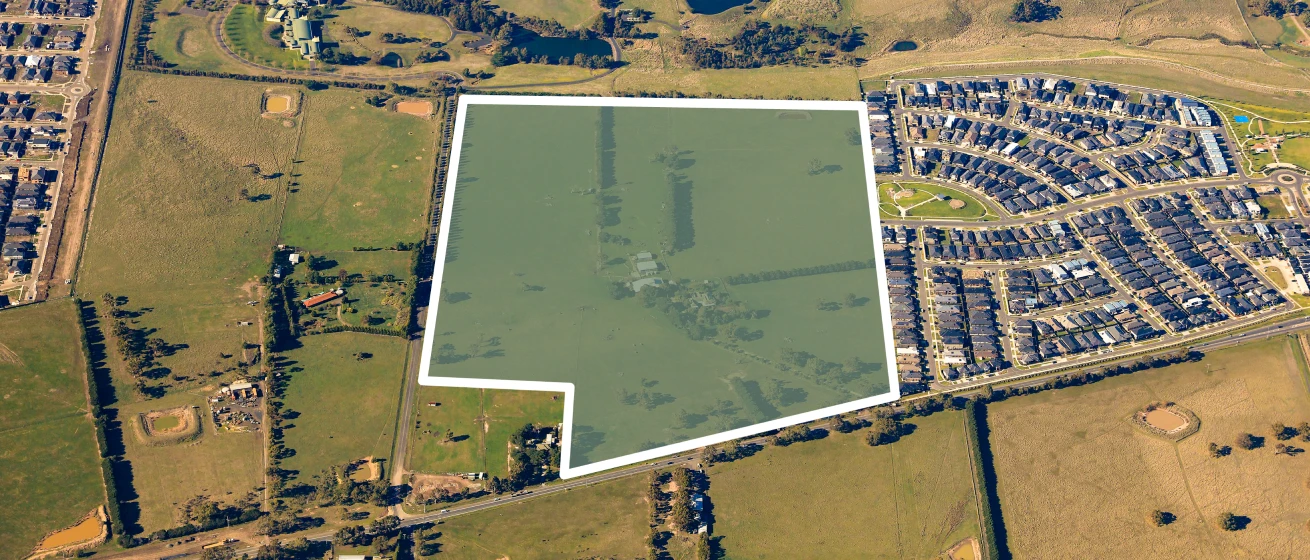
Development Land
Specialists in sourcing and selling development land for commercial and residential projects. Explore current and past opportunities.
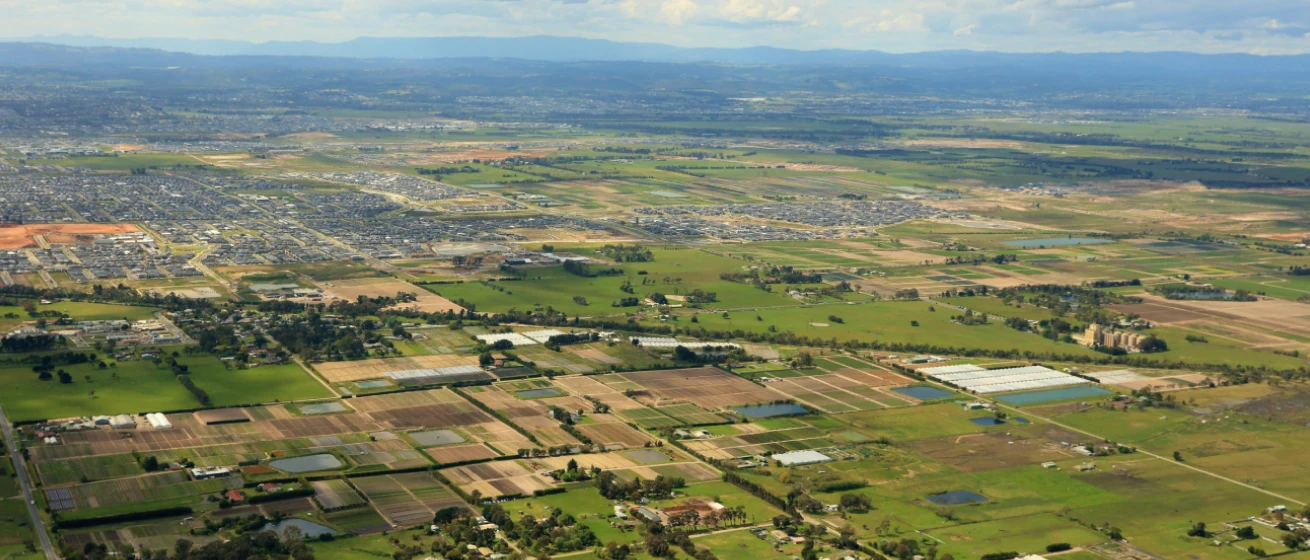
Residential Land
Across Australia’s East coast RPM has the ideal land to suit your lifestyle and dream home, explore the projects RPM is proud to be partners in selling.
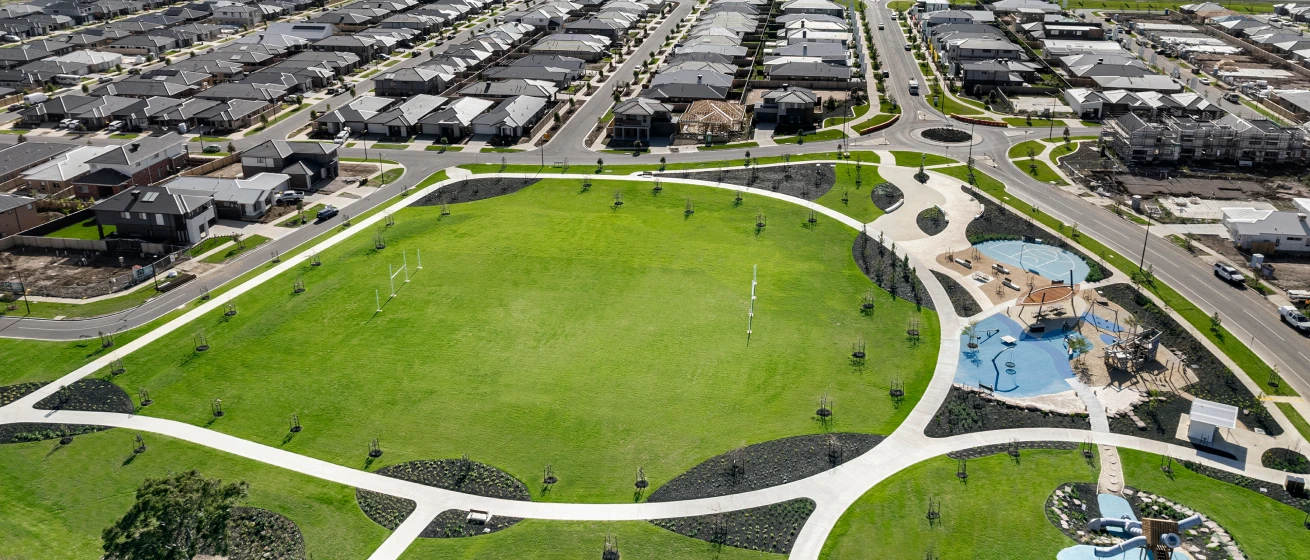
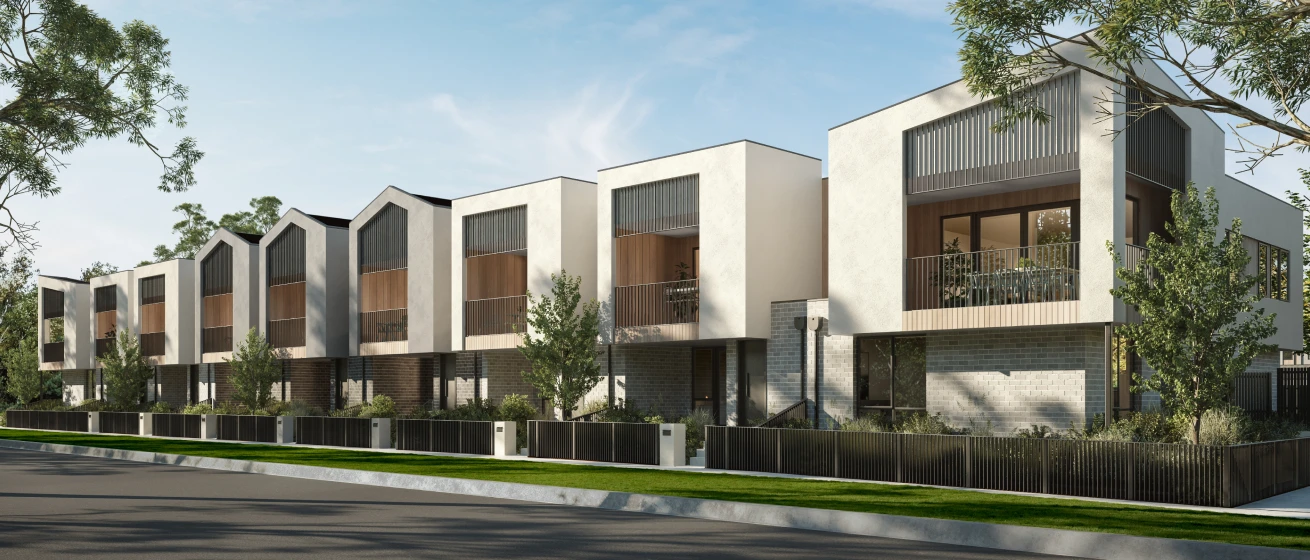
Townhomes
With townhouses to suit every lifestyle and budget, find your perfect home today.
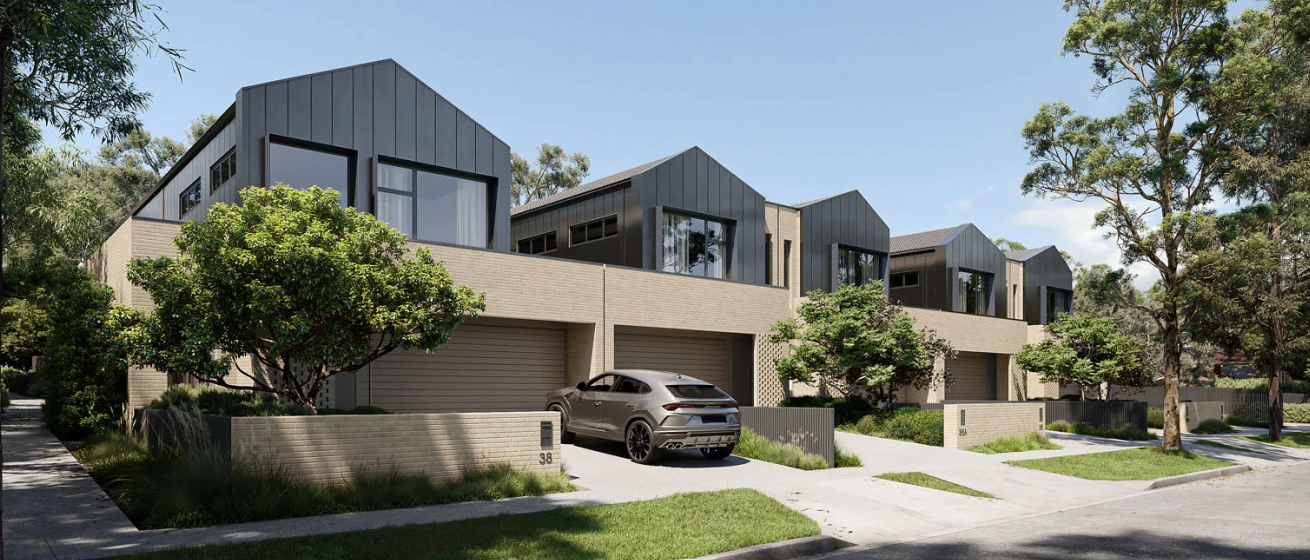
Apartments
Inner city & coastal new apartment projects. Explore our projects to find your perfect location and style of living.

RPM offer a comprehensive suite of professional services at every stage of your property journey.

RPM offer a comprehensive suite of professional services at every stage of your property journey.

Pioneering new benchmarks in property intelligence, know-how, and data-driven insights, read the RPM Group's story.

Our Story
Since 1994, RPM has grown to become the industry-leader with an expanding national presence; offering a comprehensive suite of services
Our Team
The heart of our business are the people who make it thrive. Discover the passion and dedication of our national team.

Careers
Our team of property experts is truly unparalleled. See how you can join this exceptional group and shape your future with us.



The strongest offers are no longer coming from the typical parties
In several recent land campaigns across Victoria’s growth corridors, the strongest offers have not come from the typical parties. Builder-developers*, long viewed as secondary players in site acquisitions, are now regularly outbidding the traditional land developers who once owned the market. A recent campaign for a 66-lot permit-approved site in Epping is a prime example. The two strongest bids came from interstate builder-developers.
How the builder-developer cohort was shaped
This builder-developer cohort was shaped by the volume house and land sector. As that market compressed, chasing allocations across multiple estates stopped making commercial sense for the more ambitious operators. Owning a site outright offered something the allocation model never could: direct control over the pipeline, the product, and the margin. Groups like Metricon and Henley moved early. What has changed is the breadth of adoption. Direct acquisition is no longer the domain of a few major builders – it is now standard practice across a much wider range of operators.
The rise of medium density builder-developers
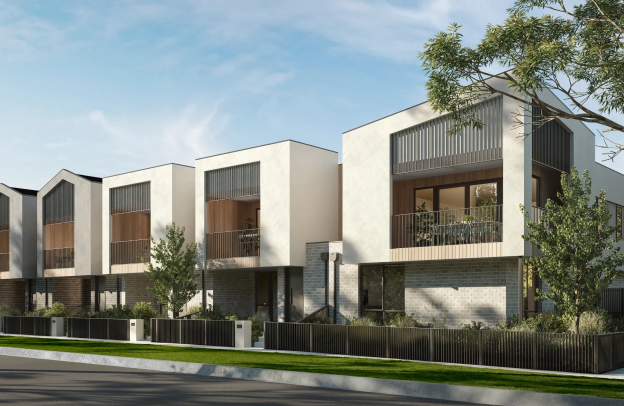
A second wave emerged from medium density builders who built their businesses on bookend sites within larger estates, typically 8-12 dwellings at a time. The reasoning for consolidation was straightforward; one superlot producing 70 dwellings is a more efficient proposition than seven separate engagements producing the same output. Margin is cleaner, operational complexity is lower, and a project at that scale has genuine brand presence with end buyers. For groups investing in their consumer brands, that visibility carries commercial value beyond any single project.
Interstate buyers are adding pressure
Interstate buyers have added pressure that the local market was slow to anticipate. Builders from other states have formed a clear view that Melbourne’s greenfield corridors offer acquisition value unavailable at home, and they’re pricing that conviction into their bids. The Epping result mentioned previously is consistent with a pattern across multiple RPM T&A campaigns, and it’s clear that these groups are not simply testing the waters.
Victoria’s tightening pipeline is directing opportunity
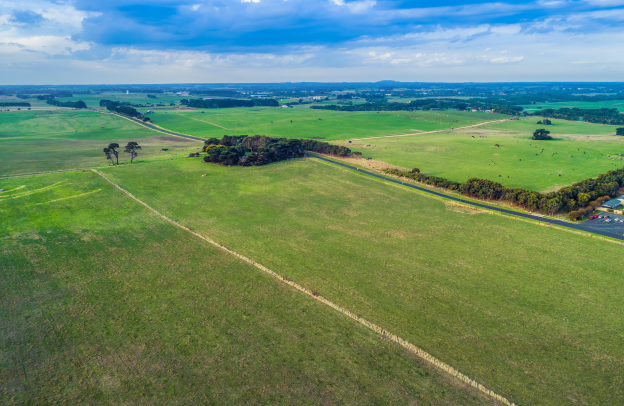
Supply conditions have reinforced this trend. Victoria’s PSP approvals have slowed materially, and remaining pipeline land tends to arrive in smaller, fragmented parcels rather than large contiguous englobo tracts. For developers pursuing masterplanned estates at scale, this is a structural headwind. For builder-developers targeting sites in the 20-150 lot range, it describes the available stock fairly well. The tightening of the pipeline has directed more viable opportunity toward the buyer type best placed to act on it.
Capital access has shifted in parallel
Capital access has shifted in parallel. Builder-developers are now competing for private and offshore funding on comparable terms to established land developers. The assumption that this cohort sits a rung below on the capital ladder is no longer supported. The builder-developer buyer pool is larger, better resourced, and more strategically motivated than this market has historically acknowledged. Superlot opportunities that once generated modest interest are now producing genuine competitive tension.
*Builder-developers refer to a company which acts as both the developer and builder.
This article references findings from our Q4 2025 Victorian Greenfield Market Update.