



From development land, residential land to townhomes whatever you are looking for RPM has the ideal location for you.
From development land, residential land to townhomes whatever you are looking for RPM has the ideal location for you.

Development Land
Specialists in sourcing and selling development land for commercial and residential projects. Explore current and past opportunities.
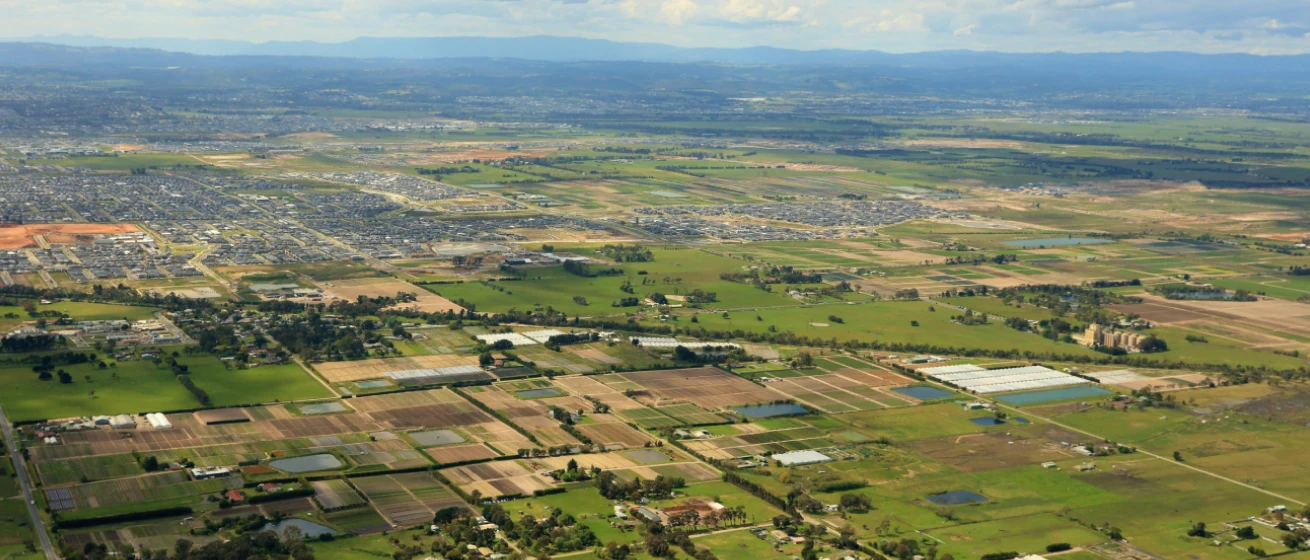
Residential Land
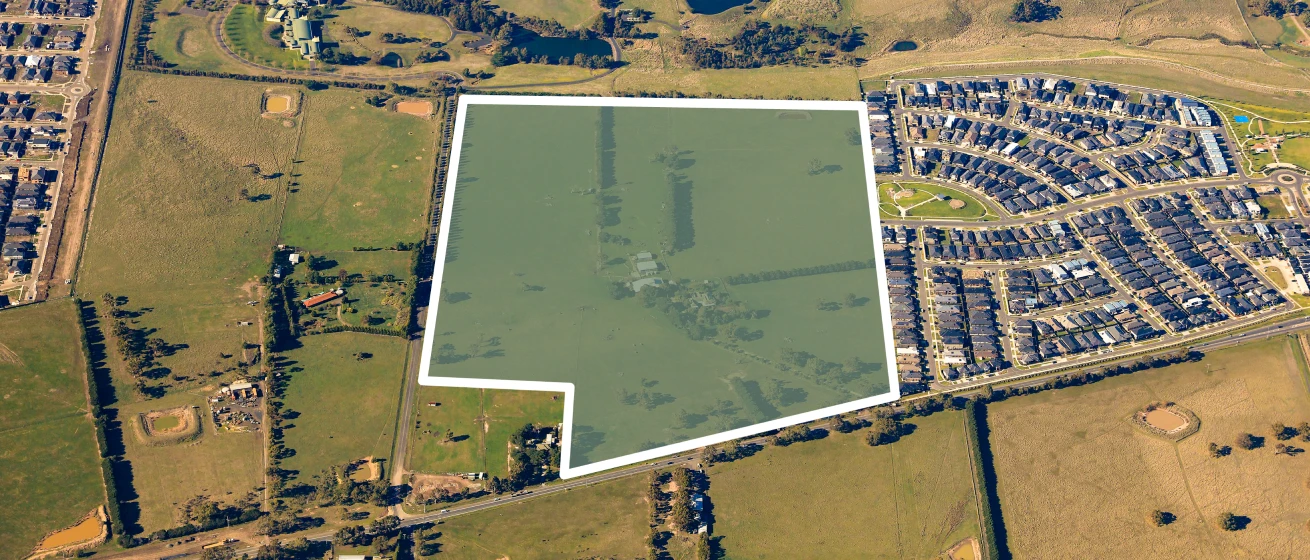
Across Australia’s East coast RPM has the ideal land to suit your lifestyle and dream home, explore the projects RPM is proud to be partners in selling.
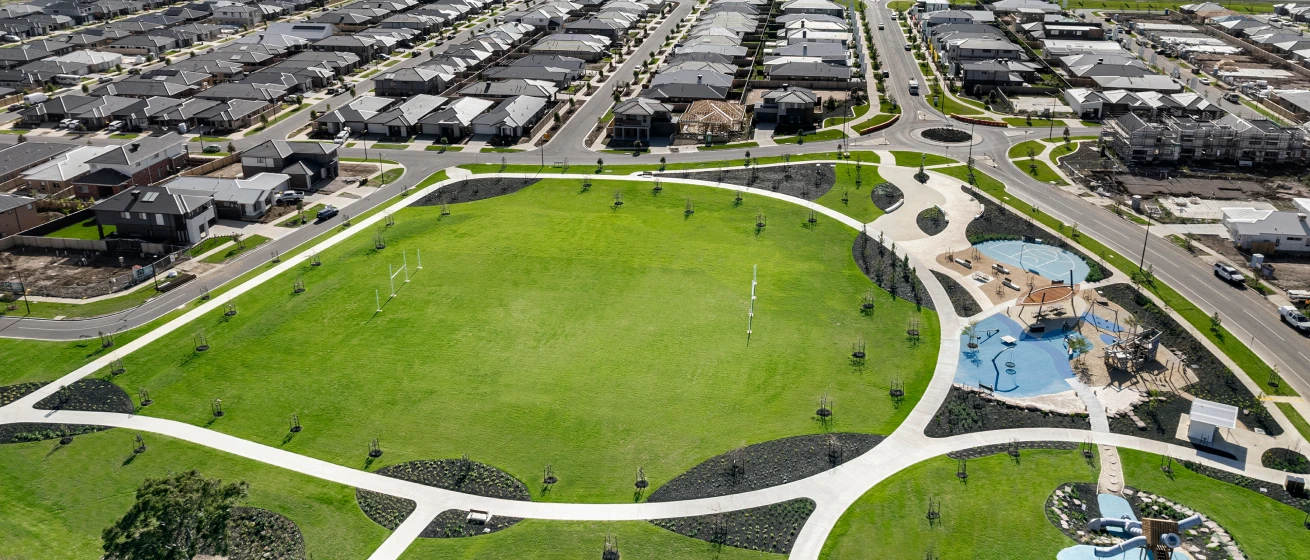
Townhomes
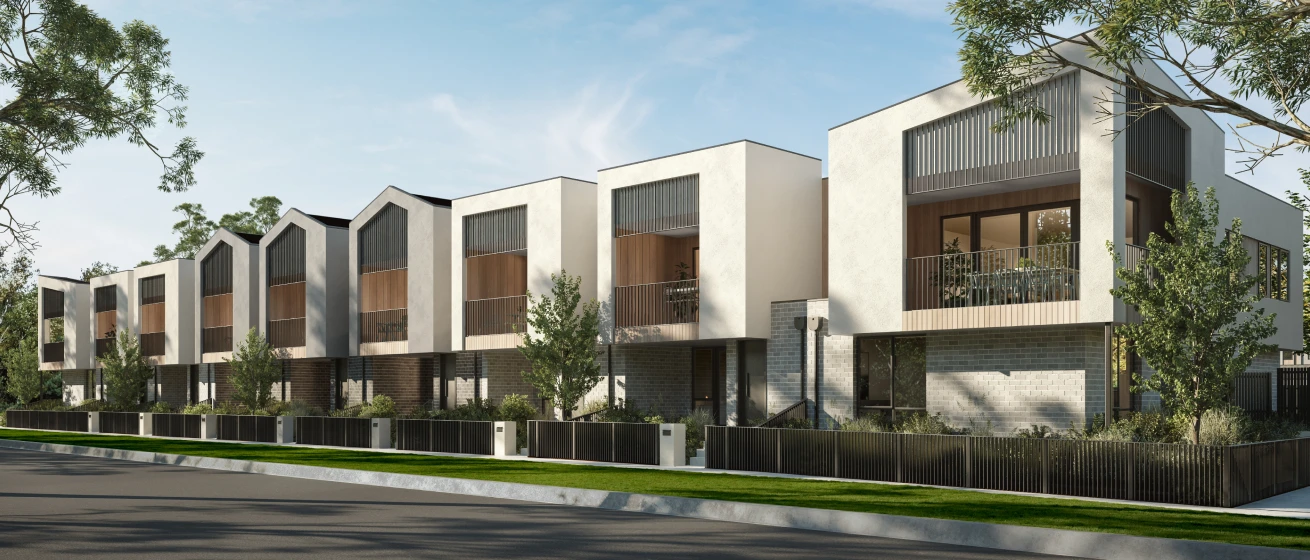
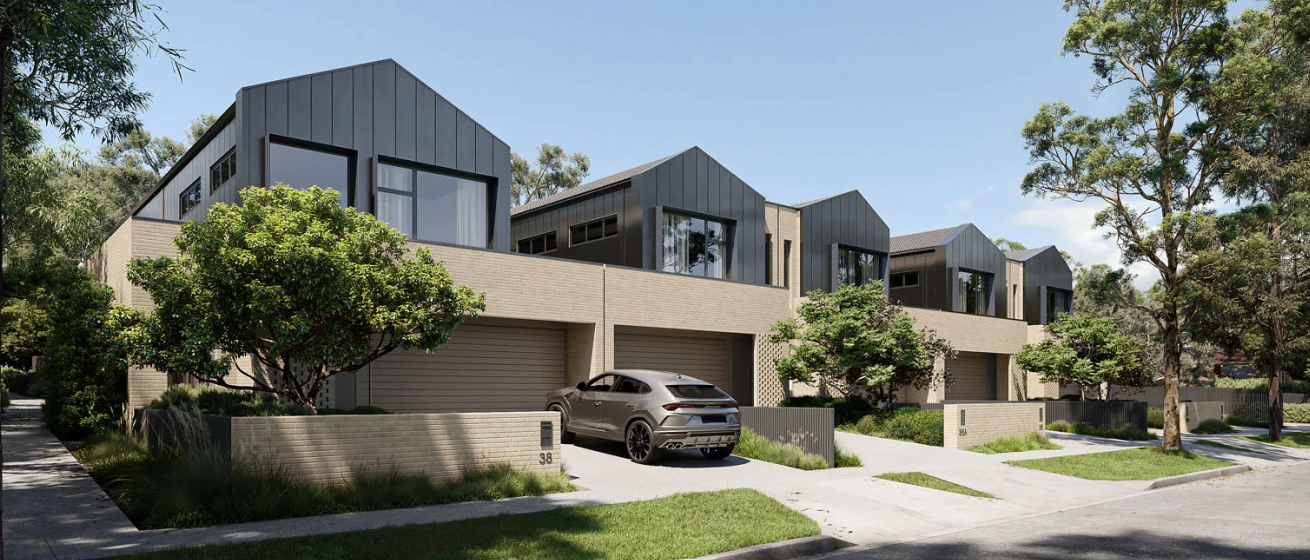
With townhouses to suit every lifestyle and budget, find your perfect home today.
Apartments
Inner city & coastal new apartment projects. Explore our projects to find your perfect location and style of living.

RPM offer a comprehensive suite of professional services at every stage of your property journey.
RPM offer a comprehensive suite of professional services at every stage of your property journey.
Pioneering new benchmarks in property intelligence, know-how, and data-driven insights, read the RPM Group's story.
Our Story
Since 1994, RPM has grown to become the industry-leader with an expanding national presence; offering a comprehensive suite of services
Our Team
The heart of our business are the people who make it thrive. Discover the passion and dedication of our national team.

Careers
Our team of property experts is truly unparalleled. See how you can join this exceptional group and shape your future with us.


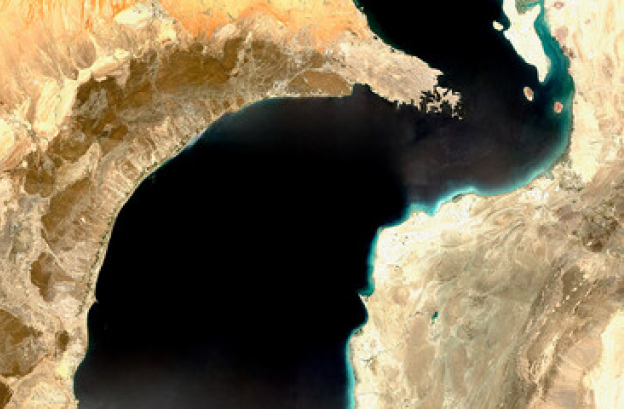
After meaningful signs of stabilisation in late 2025, Australia’s construction cost environment shifted sharply in 2026. The Iran conflict and the closing of the Strait of Hormuz sent fuel prices spiking, and the downstream effects moved quickly through the construction industry.
What was the construction cost environment before the Iran conflict?
Construction cost escalation in Australia had shown meaningful signs of stabilisation in late 2025 and early 2026, with both material inputs and building outputs tracking modest, stable increases compared to the preceding three years.
How did the Iran conflict flow through to Australian construction costs?
The Iran conflict and the closing of the Strait of Hormuz cut around 20% of global oil and gas flows, with downstream effects almost immediately visible across the Australian construction industry. The most direct impact was a spike in diesel prices to $3.00 per litre, which has since settled to around $2.50 per litre following the lifting of the fuel excise and the securing of alternative supply.
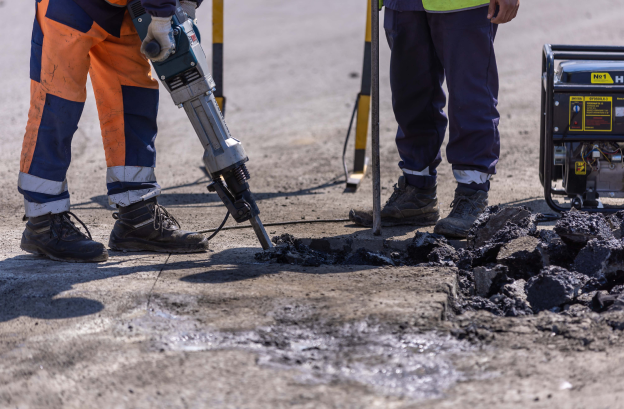
Australia’s construction industry is deeply transport and diesel dependent, with fuel costs running through virtually every element of a project, including plant and operation, materials haulage, site logistics, earthworks, and the production of energy intensive inputs.
What does the Q1 2026 PPI data show?
The latest ABS Producer Price Index figures for Q1 2026 show material input costs escalating by just 0.2% in Melbourne, well below the 0.6% recorded nationally. That unusually low reading largely reflects timing, given the conflict had only recently commenced at the point of measurement.
Building outputs for residential construction tell a different story, with a 1.5% increase recorded in Q1 2026, the highest quarterly movement since late 2023, driven by the immediate flow through of rising fuel costs.
Significantly more volatile movement is expected in the Q2 2026 PPI data release. Input and output costs are likely to reach an annualised 6 to 8%, well above the 4.5% forecast that had been projected for the next 12 months absent the Iran conflict.
Cost escalation will be most concentrated in plastics including PCE, PE, and PP, metals, and bitumen and asphalt, all of which have seen immediate price increases. Beyond raw costs, lead times and contractor risk pricing are also expected to shift materially.
Is Melbourne better positioned than other markets?
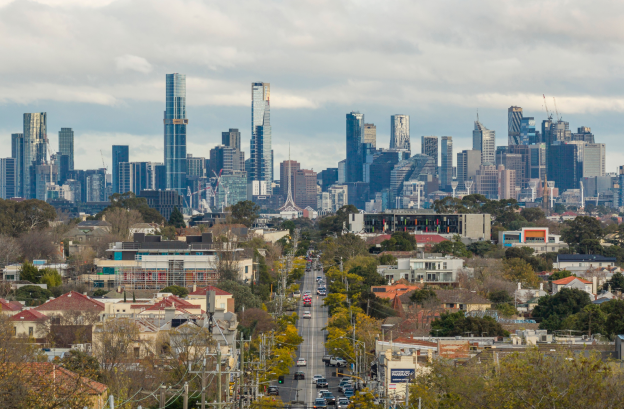
Australia comprises multiple sub markets operating at different speeds, and Melbourne’s outlook is comparably more stable. There is broad consensus that civil engineering construction will be more severely affected than residential construction.
Melbourne benefits from a more competitive contractor market and lower levels of ongoing construction activity than Brisbane or Sydney. Some supply and labour cost increases are being absorbed by contractors in Melbourne given the relative availability and competitiveness of the local market.

Is this a supply or cost challenge?
It is worth noting that the federal government’s actions in securing fuel supply, effectively trading domestic gas for imported fuel, have left Australia’s present fuel stockpile above pre-conflict levels. Materials continue to flow into the country, albeit at higher prices and with some delays.
The current challenge facing the construction industry is therefore primarily one of cost rather than supply.
Want the full picture?
This article draws on findings from RPM Group’s VIC Metro Market Intelligence Report – Q1 2026. Access the complete data and market forecasts in the full report.