



From development land, residential land to townhomes whatever you are looking for RPM has the ideal location for you.
From development land, residential land to townhomes whatever you are looking for RPM has the ideal location for you.

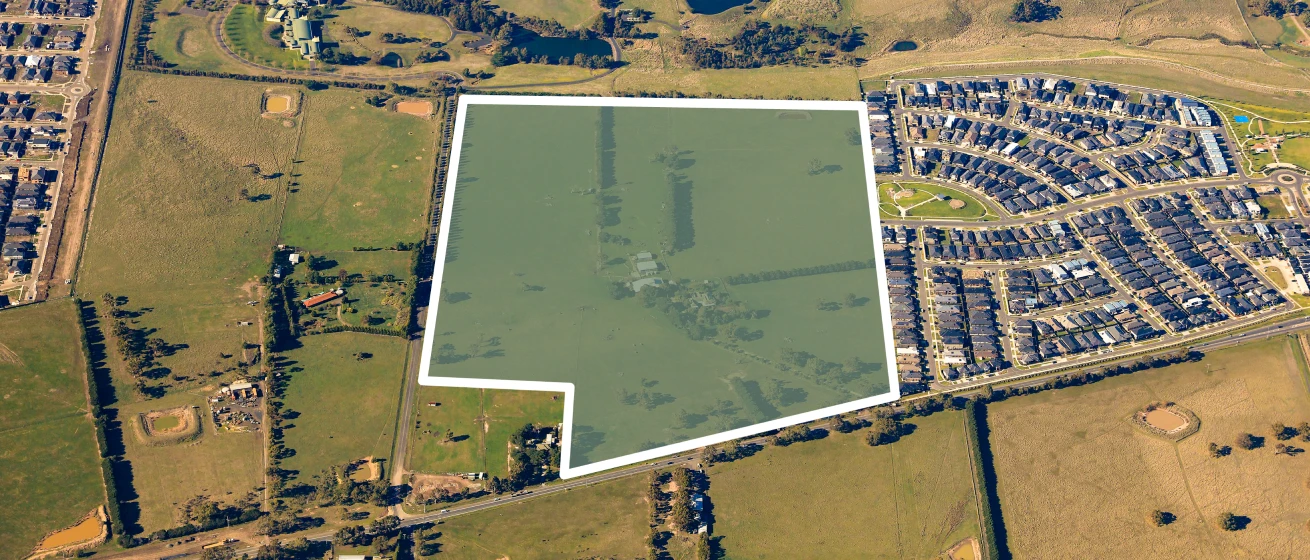
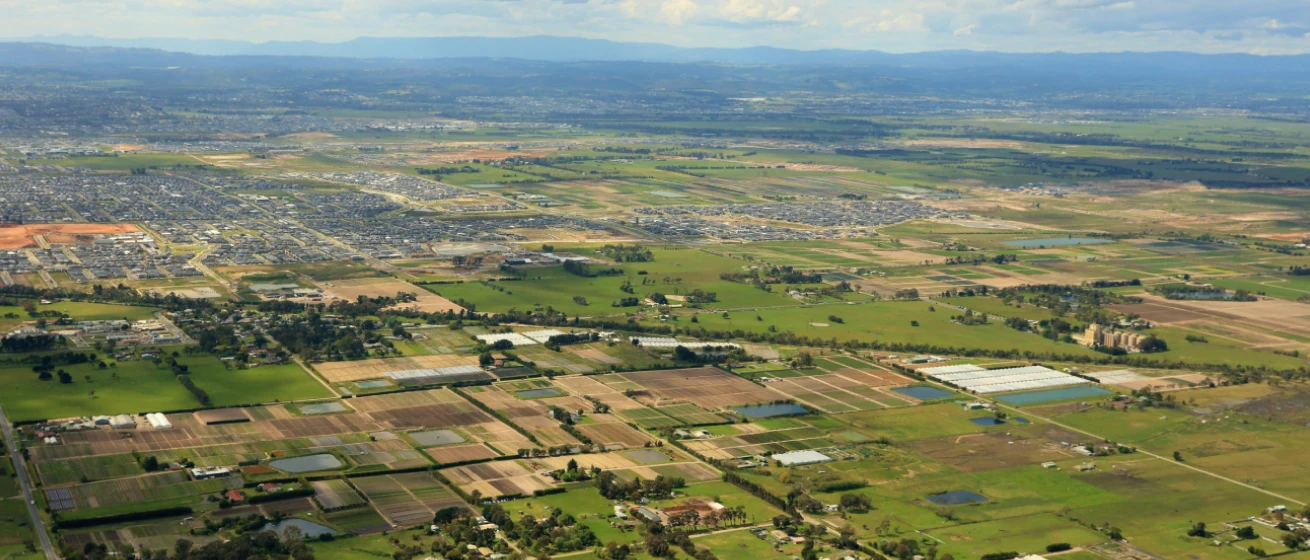
Development Land
Specialists in sourcing and selling development land for commercial and residential projects. Explore current and past opportunities.
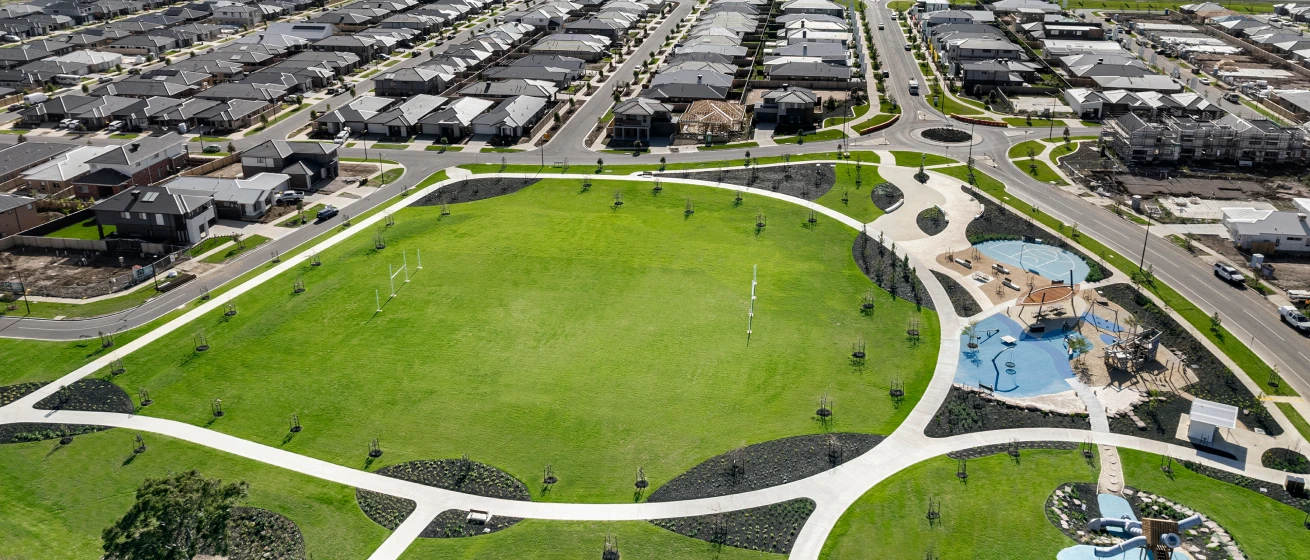
Residential Land
Across Australia’s East coast RPM has the ideal land to suit your lifestyle and dream home, explore the projects RPM is proud to be partners in selling.
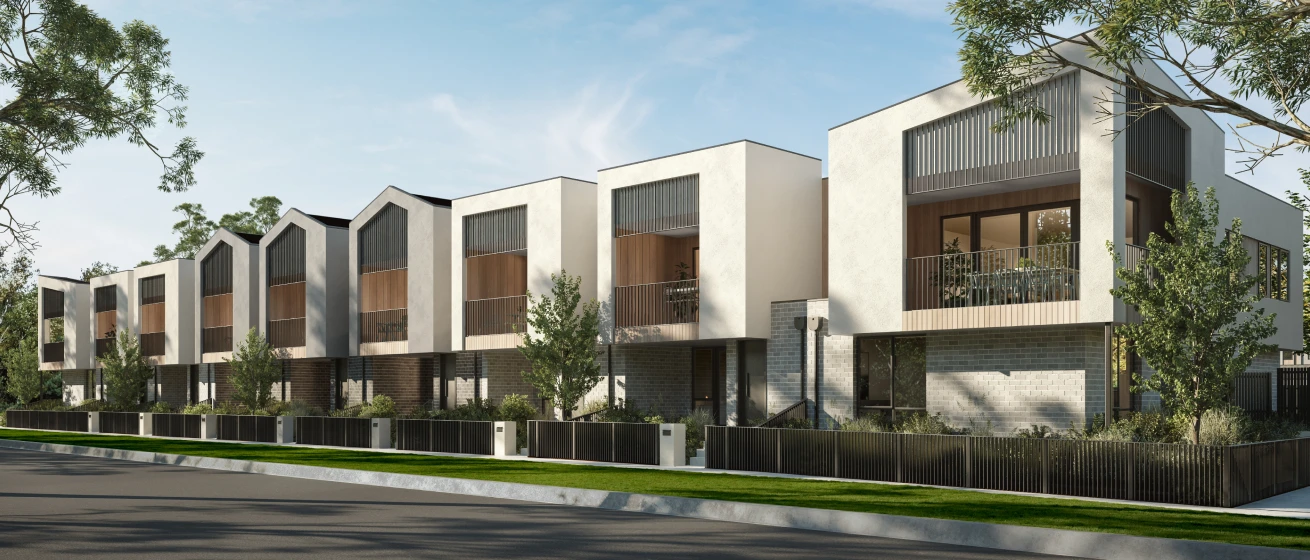
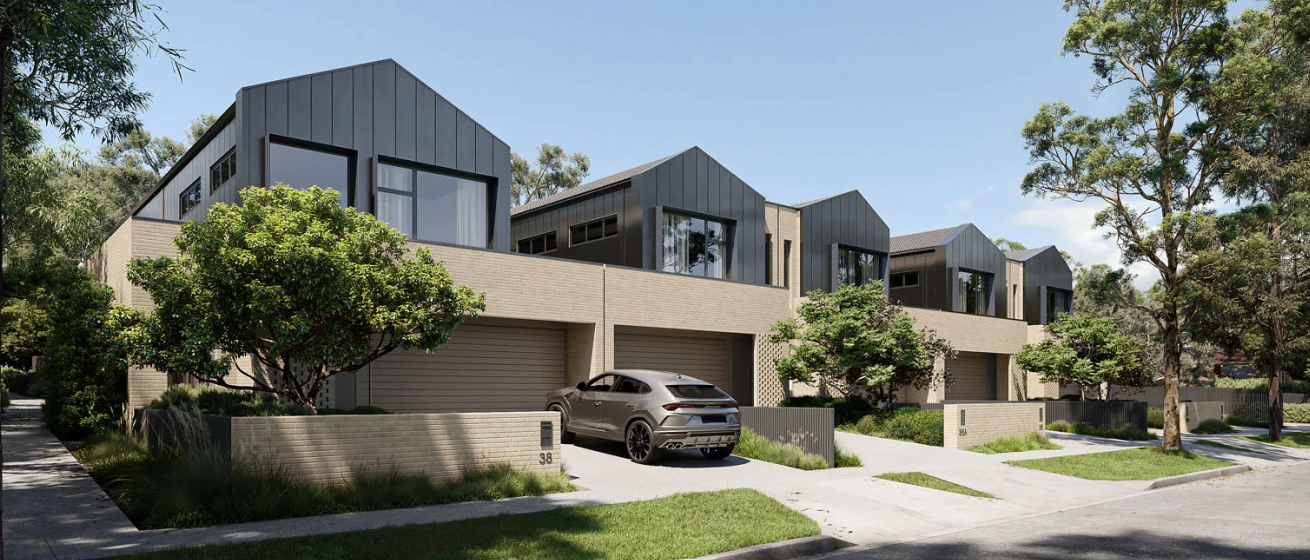
Townhomes
With townhouses to suit every lifestyle and budget, find your perfect home today.
Apartments
Inner city & coastal new apartment projects. Explore our projects to find your perfect location and style of living.

RPM offer a comprehensive suite of professional services at every stage of your property journey.

RPM offer a comprehensive suite of professional services at every stage of your property journey.

Pioneering new benchmarks in property intelligence, know-how, and data-driven insights, read the RPM Group's story.

Our Story
Since 1994, RPM has grown to become the industry-leader with an expanding national presence; offering a comprehensive suite of services
Our Team
The heart of our business are the people who make it thrive. Discover the passion and dedication of our national team.

Careers
Our team of property experts is truly unparalleled. See how you can join this exceptional group and shape your future with us.



How will the Budget changes redirect investor demand?
The shift in tax settings effectively redirects investor demand away from established dwellings, which are likely to become a predominantly owner occupier asset class, and toward new builds. Independent of any budget impacts on property prices, these changes are expected to significantly drive activity toward new builds and boost new infill developments.
One important caveat: lenders have already begun factoring out negative gearing in new investor loan applications. As tax changes mean that at most, an existing dwelling purchased after 12 May 2026 can only be negatively geared for one year, the market is already adjusting ahead of the formal 2027 start date.

What does the new build exemption mean for unit buyers?
The new build exemption also extends to owner occupiers who subsequently convert their dwelling to an investment property, provided the property has only been owned by the original builder and has not been occupied for more than 12 months. The ability to retain negative gearing concessions in that scenario represents a significant level of flexibility for buyers of new units in infill areas.
What does the Infrastructure Funding mean for developers?
Beyond the tax changes, the budget commits $6 billion to enabling infrastructure and a further $2 billion Local Infrastructure Fund to be delivered over four years. For developers with land holdings in outer metropolitan and growth corridor locations, this directly addresses one of the more persistent early stage development hurdles.
What is the position on build-to-rent?
The budget introduces no new build-to-rent measures. BTR developers should treat existing policy as the operating baseline and plan accordingly.
Want the full picture?
This article draws on findings from RPM Group’s VIC Metro Market Intelligence Report – Q1 2026. Access the complete data and market forecasts in the full report.