



From development land, residential land to townhomes whatever you are looking for RPM has the ideal location for you.
From development land, residential land to townhomes whatever you are looking for RPM has the ideal location for you.

Development Land
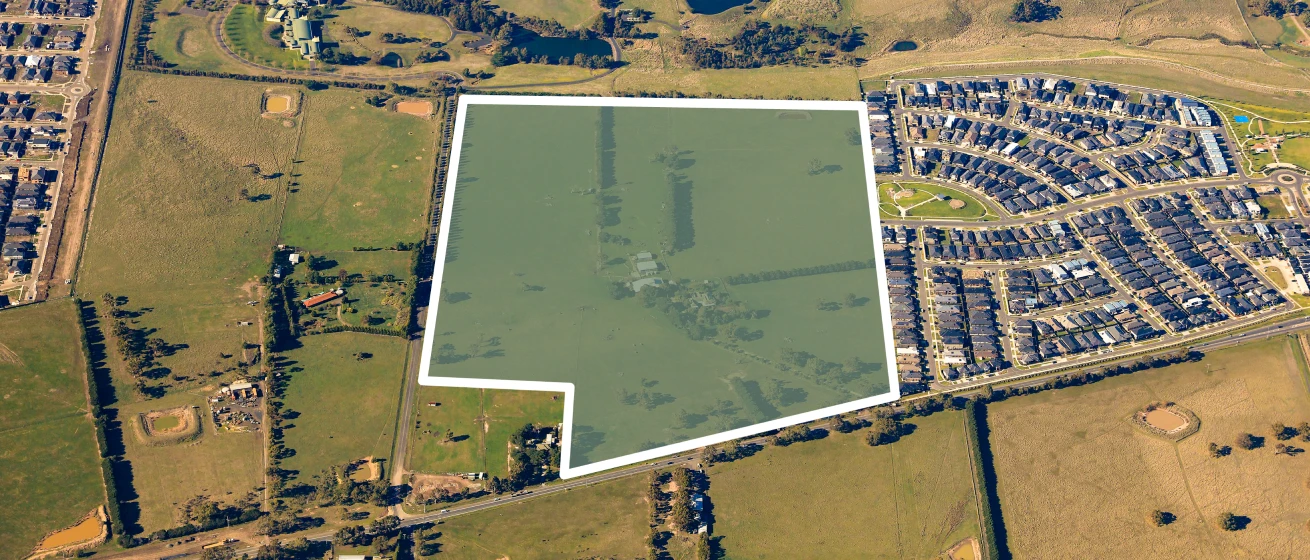
Specialists in sourcing and selling development land for commercial and residential projects. Explore current and past opportunities.
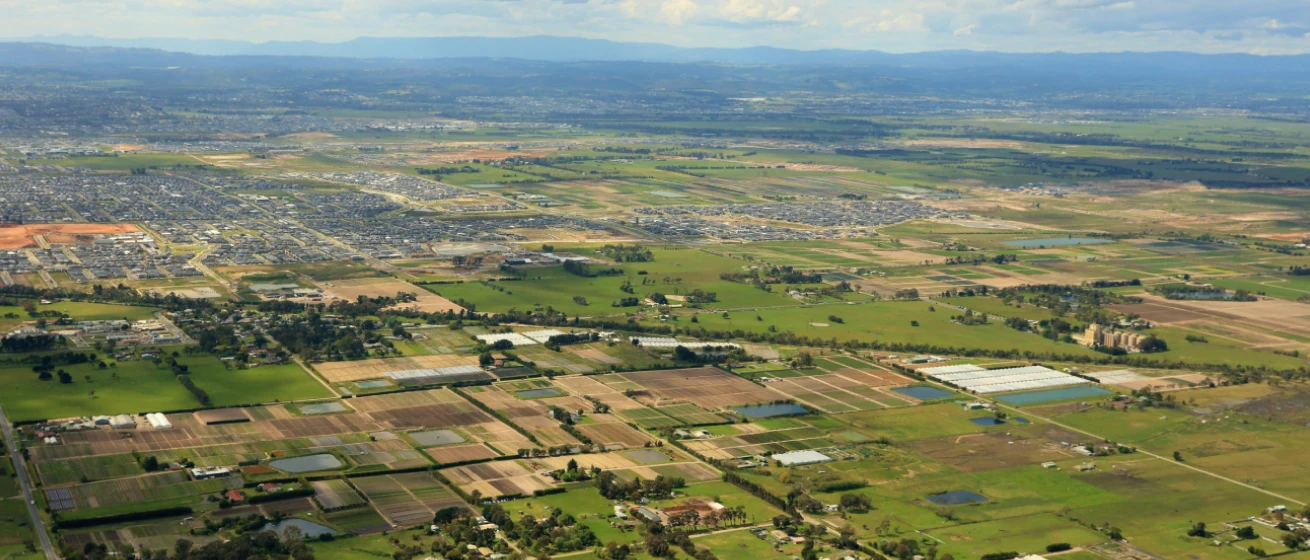
Residential Land
Across Australia’s East coast RPM has the ideal land to suit your lifestyle and dream home, explore the projects RPM is proud to be partners in selling.
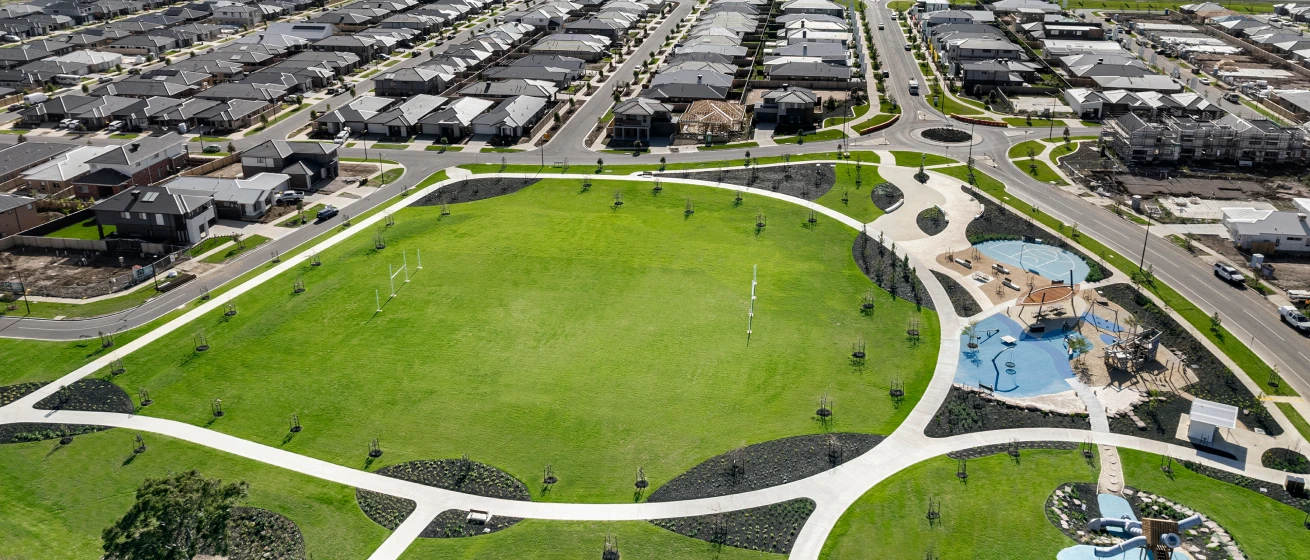
Townhomes
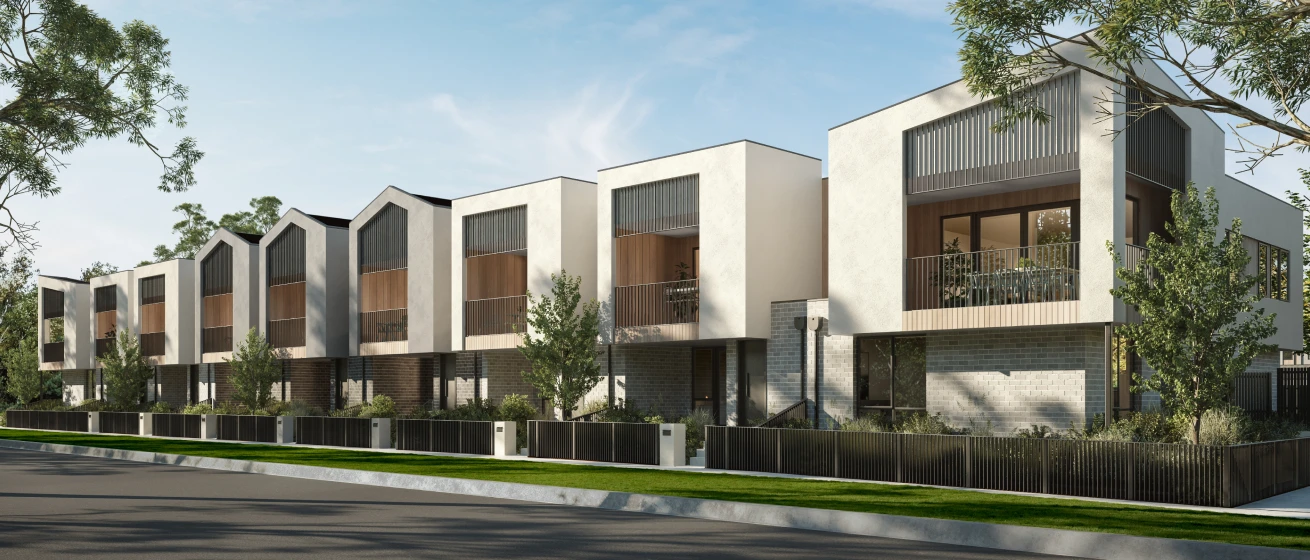
With townhouses to suit every lifestyle and budget, find your perfect home today.
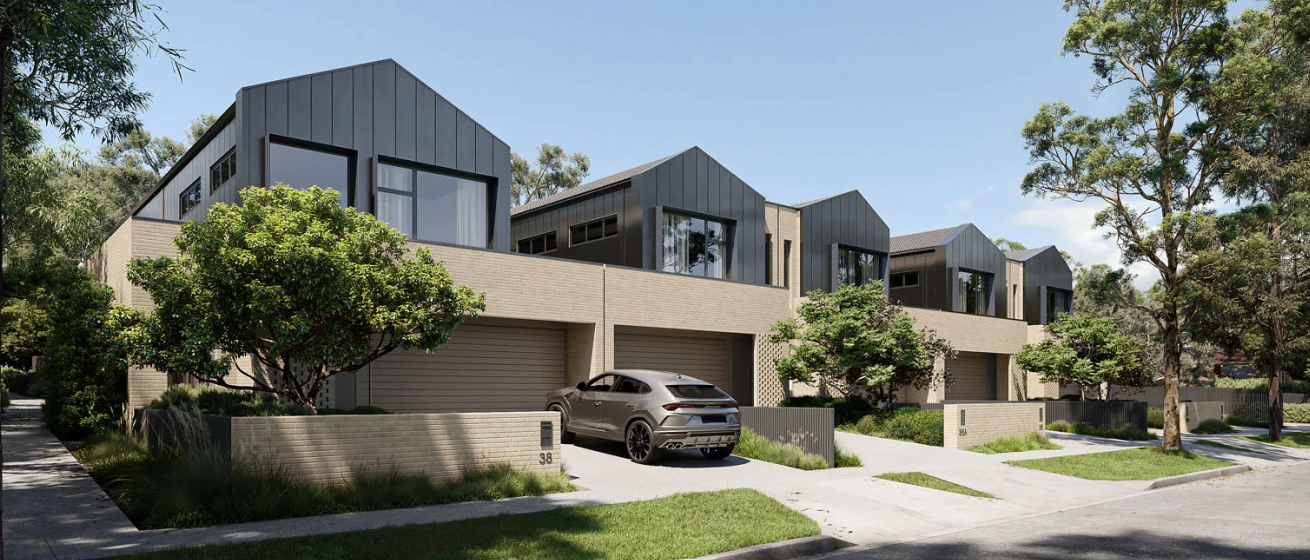
Apartments
Inner city & coastal new apartment projects. Explore our projects to find your perfect location and style of living.

RPM offer a comprehensive suite of professional services at every stage of your property journey.
RPM offer a comprehensive suite of professional services at every stage of your property journey.
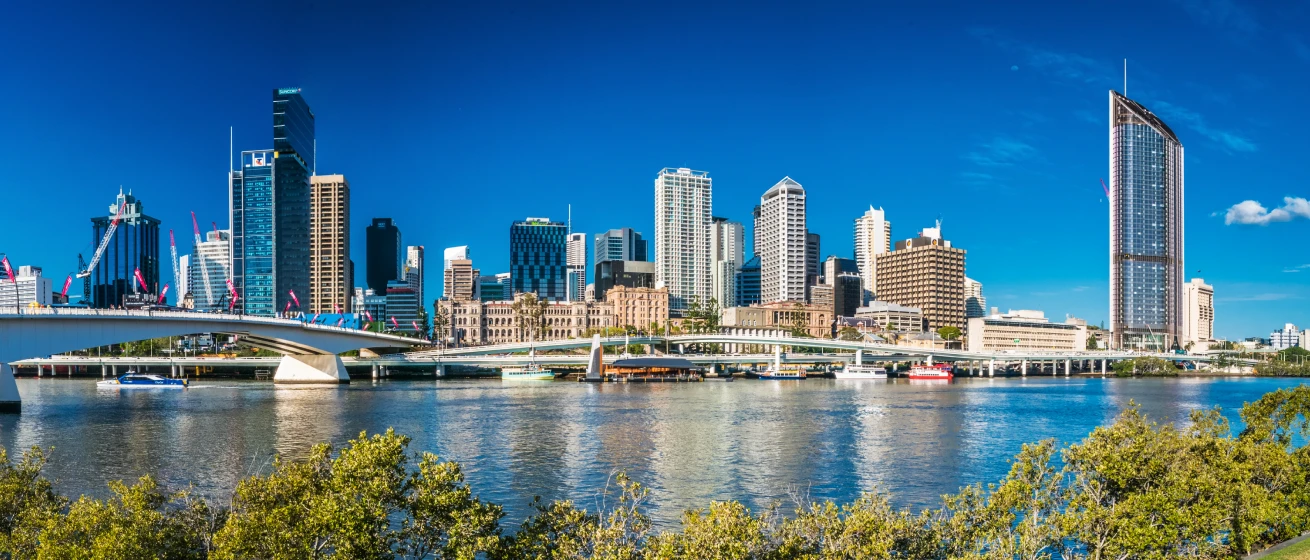
Pioneering new benchmarks in property intelligence, know-how, and data-driven insights, read the RPM Group's story.
Our Story
Since 1994, RPM has grown to become the industry-leader with an expanding national presence; offering a comprehensive suite of services
Our Team
The heart of our business are the people who make it thrive. Discover the passion and dedication of our national team.

Careers
Our team of property experts is truly unparalleled. See how you can join this exceptional group and shape your future with us.



How far have average loan sizes fallen?
The average new loan size in Victoria fell to $649,619 in Q1 2026, a 0.9% contraction from the Q4 2025 peak of $655,619. That is not a dramatic fall in percentage terms, but it marks a clear turning point after a sustained period of growth across all buyer types.
Which buyer type is pulling back the most?
Investor buyers have absorbed the sharpest pullback. The average investor loan size fell 1.8% in Q1 2026 to $606,178, sitting below the $609,040 recorded in Q1 2025. Investors are the only buyer cohort to have seen average loan sizes fall on an annual basis, reflecting their greater sensitivity to borrowing rate movements.
That trend is expected to continue. As lenders begin to reassess investor borrowing capacity to exclude negative gearing, the ceiling on what investors can borrow is likely to compress further.

Are upgrader buyers still borrowing at elevated levels?
Subsequent owner occupier loan sizes also decreased in Q1 2026, down 1.0% to $745,062. While that figure remains materially higher than Q1 2025, up 6.2% year on year, the recent downward trend reflects growing unease in the upgrader market. Rate rises in February and March compounded that caution.
Has the 5% Deposit Scheme protected first home buyer borrowing?
Average first home buyer loan sizes held largely steady at $562,198 in Q1 2026, up just 0.2% on Q4 2025. Loans continued to be written at pace under the 5% Deposit Scheme through January before pulling back sharply following the first rate rise in February.
On an annual basis, however, first home buyer average loan sizes have grown 8.7%, the largest increase of any buyer cohort and a clear measure of the scheme’s effect on borrowing behaviour.

What is the negative equity risk for recent first home buyers?
Preliminary data to May 2026 shows dwelling values falling, raising the prospect of first home buyers who purchased under the 5% Deposit Scheme entering negative equity. The risk is most pronounced for borrowers who bought at or near the scheme’s price cap.
That said, provided loans can be serviced, negative equity at an individual level does not present a real risk.
Want the Full Picture?
This article draws on findings from RPM Group’s VIC Metro Market Intelligence Report – Q1 2026. Access the complete data and market forecasts in the full report.