



From development land, residential land to townhomes whatever you are looking for RPM has the ideal location for you.
From development land, residential land to townhomes whatever you are looking for RPM has the ideal location for you.

Development Land
Specialists in sourcing and selling development land for commercial and residential projects. Explore current and past opportunities.
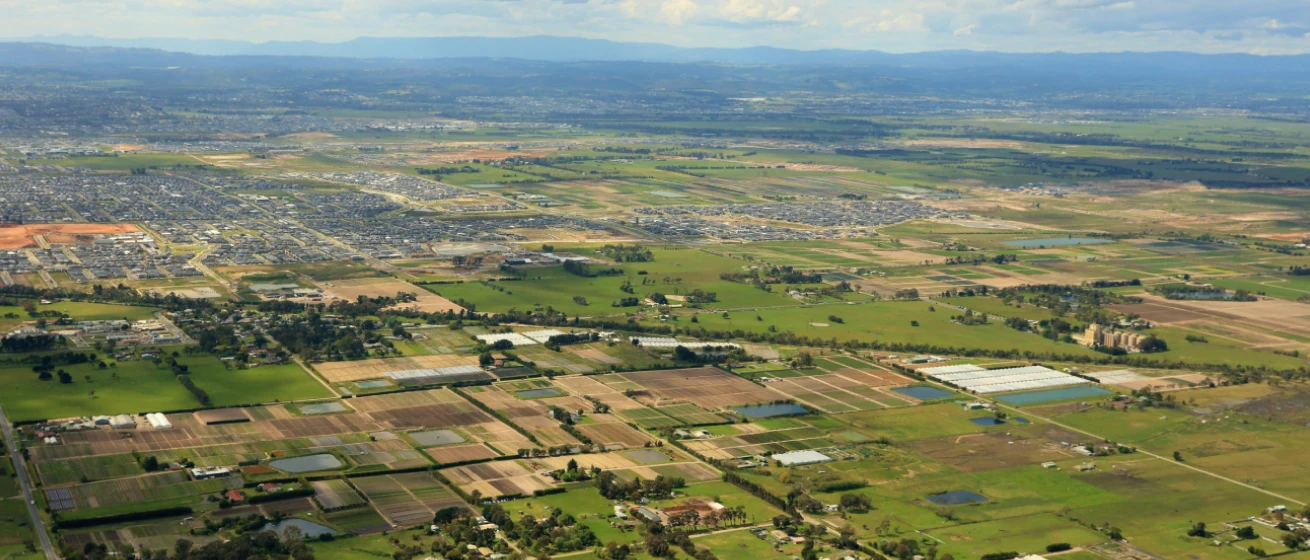
Residential Land
Across Australia’s East coast RPM has the ideal land to suit your lifestyle and dream home, explore the projects RPM is proud to be partners in selling.
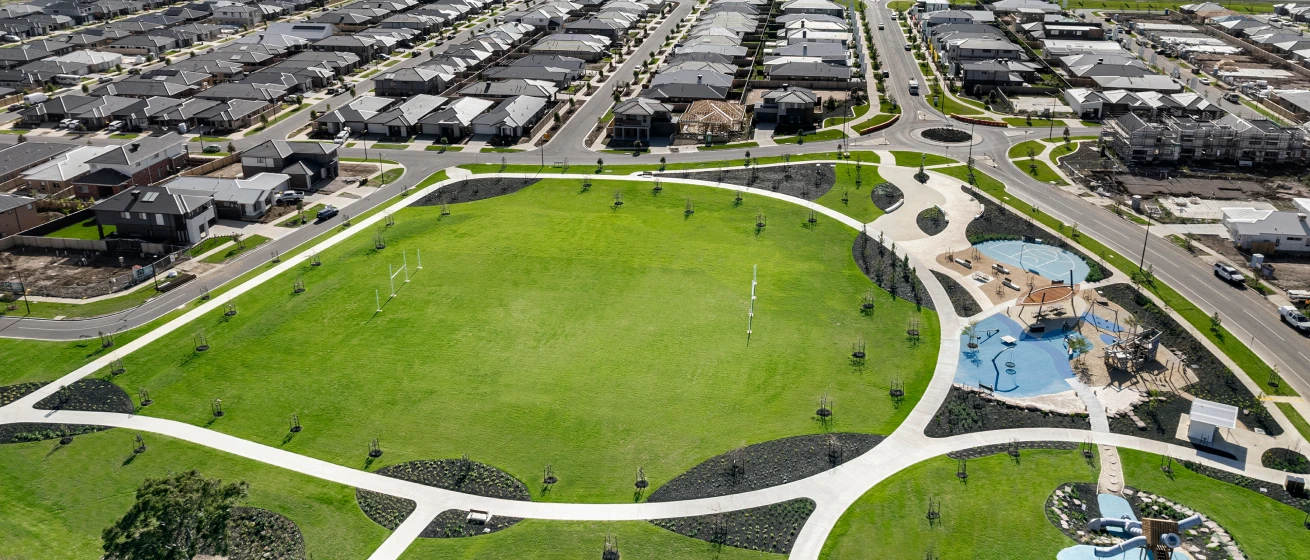
Townhomes
With townhouses to suit every lifestyle and budget, find your perfect home today.
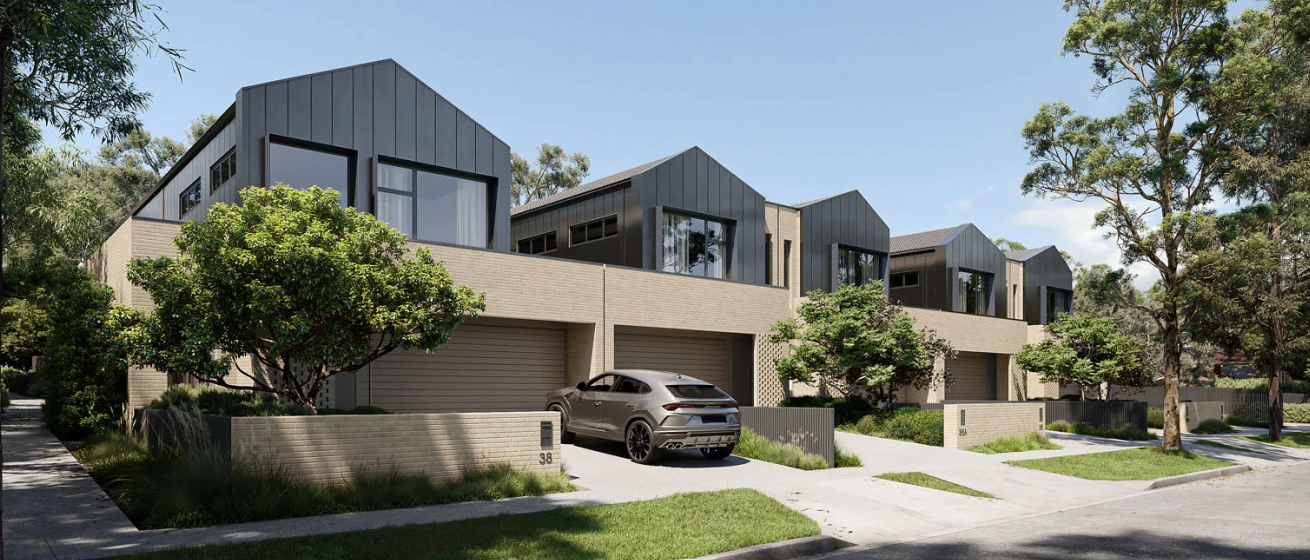
Apartments
Inner city & coastal new apartment projects. Explore our projects to find your perfect location and style of living.

RPM offer a comprehensive suite of professional services at every stage of your property journey.
RPM offer a comprehensive suite of professional services at every stage of your property journey.
Pioneering new benchmarks in property intelligence, know-how, and data-driven insights, read the RPM Group's story.
Our Story
Since 1994, RPM has grown to become the industry-leader with an expanding national presence; offering a comprehensive suite of services
Our Team
The heart of our business are the people who make it thrive. Discover the passion and dedication of our national team.

Careers
Our team of property experts is truly unparalleled. See how you can join this exceptional group and shape your future with us.


From 1 July 2027, negative gearing will be limited to dwellings that add new supply to the market. Established dwellings purchased after 12 May 2026 can only be negatively geared for one year, and lenders have begun factoring this out of investor loan applications now. The 50% CGT discount is replaced by a new default of indexation plus a minimum 30% tax, though buyers of new dwellings may choose between the new method and the existing 50% discount.
While these tax changes may present some favourable demand-side changes over the medium and long terms in the new-dwelling space, there still remain significant near-term challenges in delivering apartment and townhome developments.

RPM’s latest Market Intelligence indicates that changes will effectively make established units a predominantly owner occupier asset class, with investor capital redirected toward new off the plan (OTP) stock. Newly built apartments and townhomes are well positioned to capture that demand, provided they can be delivered at a viable cost.
“The tax changes will boost new apartment and townhome demand. The complication is timing,” says Michael Staedler, General Manager of RPM Market Intelligence.
“Feasibilities being assessed now are doing so against construction costs that have moved significantly since the start of the year, and against borrowing rates that returned to 2024 highs following the May increase.”
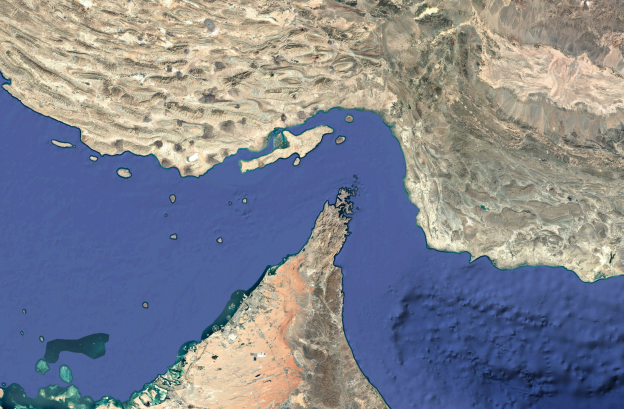
The closure of the Strait of Hormuz cut approximately 20% of global oil and gas flows, with immediate downstream effects across Australia’s construction industry. Diesel prices spiked to $3.00/L before settling around $2.50 following the lifting of the fuel excise and the securing of alternative supply. Australia’s construction industry is deeply transport and diesel dependent, with fuel costs running through virtually every element of a project.
The latest ABS Producer Price Index data for Q1 2026 showed material input costs rising just 0.2% in Melbourne, a figure that reflects the timing of measurement rather than actual conditions as the conflict had only recently commenced at the point of measurement.
Building output costs rose 1.5% in the same quarter, the largest quarterly movement since late 2023. RPM Group expects Q2 2026 PPI data to show annualised input and output cost growth of 6-8%, well above the 4.5% forecast issued before the conflict escalated.

Key material price increases to May 2026 include plastics up 30-40%, and bitumen and asphalt up 30-50%. Container shipping costs rose approximately 15% in March alone. Amid a slowing market, increased building costs will be difficult to absorb and will need to be passed to consumers. This will have direct implications for project feasibilities across the board.
“These are cost pressures, not a demand or supply crisis. That distinction matters for how developers approach feasibilities,” explains Mr. Staedler.
“Materials are flowing, but the challenge is that they’re flowing at a slower rate and at prices that require assumptions to be revisited. Projects that were viable six months ago need to be reassessed.”
Fortunately, Melbourne’s construction market is comparatively better placed than Sydney or Brisbane, where builders have been operating near capacity for an extended period.
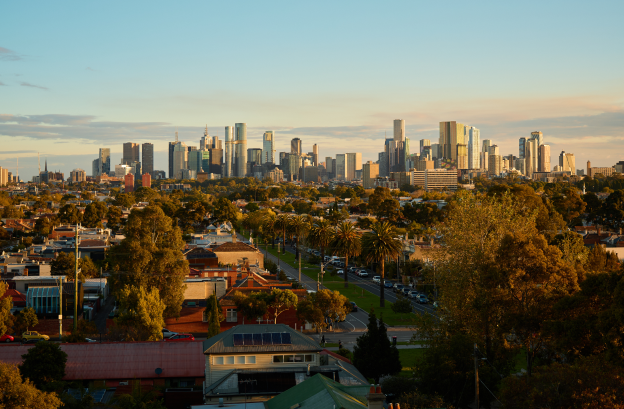
Mr. Staedler explains, “Melbourne is in a better position than Sydney or Brisbane to absorb what’s happening to construction costs. Contractor availability is meaningfully higher here, and that’s translating to real competition on tenders.”
“That doesn’t make the task easy. Feasibilities still need to be rebuilt from the ground up in some cases, but it does mean Melbourne projects have an advantage in getting to a workable number.”
Want the Full Picture?
This article draws on findings from RPM Group’s VIC Metro Market Intelligence Report – Q1 2026. Access the complete data and market forecasts in the full report.