





From development land, residential land to townhomes whatever you are looking for RPM has the ideal location for you.
From development land, residential land to townhomes whatever you are looking for RPM has the ideal location for you.

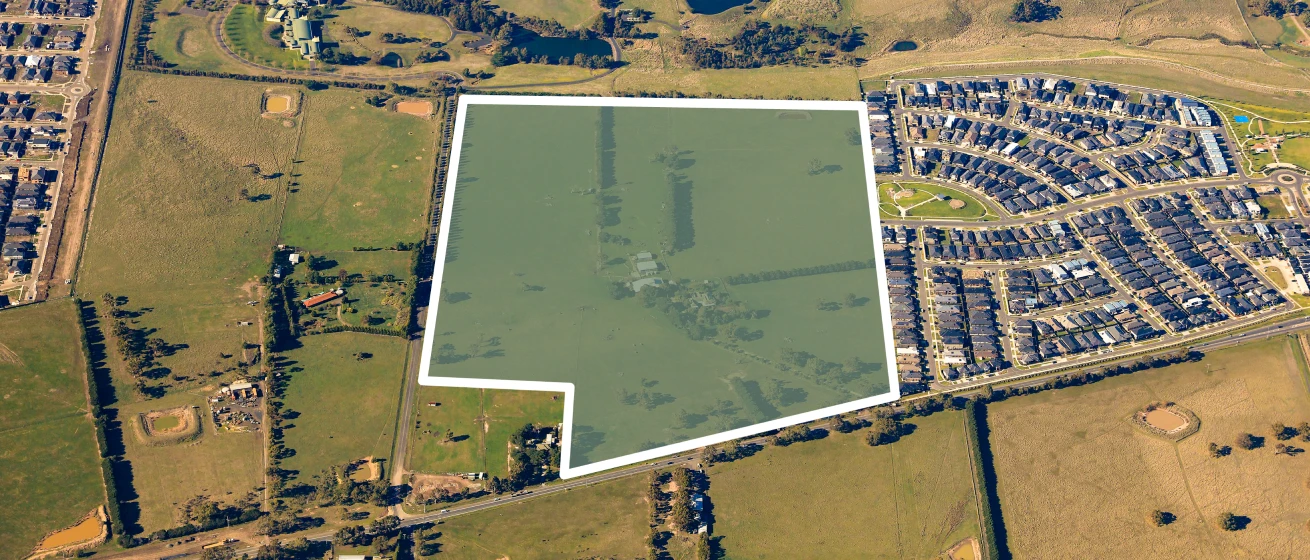
Development Land
Specialists in sourcing and selling development land for commercial and residential projects. Explore current and past opportunities.
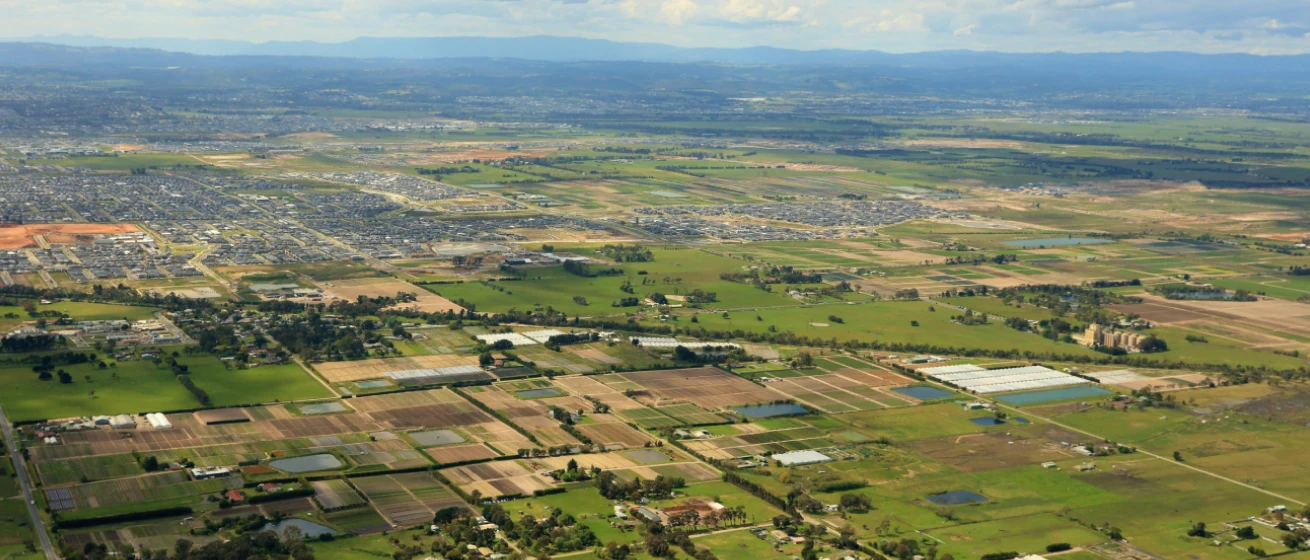
Residential Land
Across Australia’s East coast RPM has the ideal land to suit your lifestyle and dream home, explore the projects RPM is proud to be partners in selling.
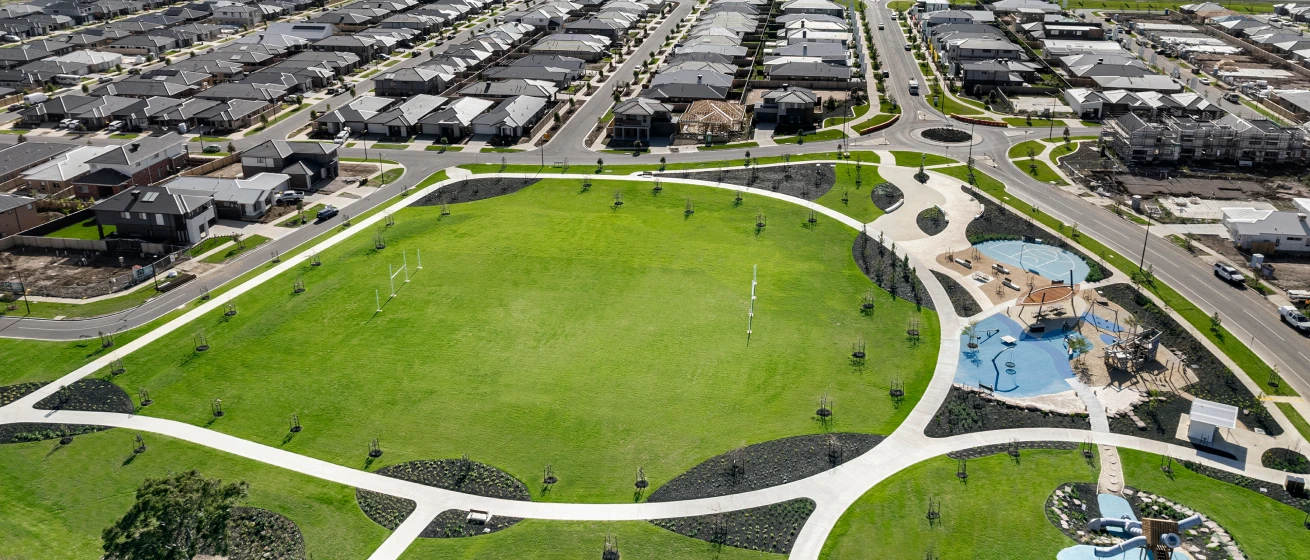
Townhomes
With townhouses to suit every lifestyle and budget, find your perfect home today.

Apartments
Inner city & coastal new apartment projects. Explore our projects to find your perfect location and style of living.

RPM offer a comprehensive suite of professional services at every stage of your property journey.

RPM offer a comprehensive suite of professional services at every stage of your property journey.

Pioneering new benchmarks in property intelligence, know-how, and data-driven insights, read the RPM Group's story.

Our Story
Since 1994, RPM has grown to become the industry-leader with an expanding national presence; offering a comprehensive suite of services
Our Team
The heart of our business are the people who make it thrive. Discover the passion and dedication of our national team.

Careers
Our team of property experts is truly unparalleled. See how you can join this exceptional group and shape your future with us.



What is happening with home loan activity in Victoria?
Home loan activity held firm in Q1 2026, with 34,680 new loans written across Victoria. The standout was investor lending, which came in at 12,660 loans, up 29% on Q1 2025 and the highest Q1 figure on record. That surge likely reflects buyers moving ahead of the federal budget changes, though that effect is now largely spent.
First home buyers edged marginally higher in absolute terms but now represent just 24% of the market, the lowest share since 2017. New loan commencements are expected to fall materially from here as the combined weight of rate settings and cost pressures bears down on buyer capacity.

How does the 2026-27 Federal Budget affect property investors?
The 2026-27 Federal Budget introduces structural changes that work in favour of new dwelling construction. Limiting negative gearing and CGT concessions to new builds gives investor capital a clear reason to move toward apartments and townhomes rather than established stock.
That is a meaningful shift in the policy environment for the sector. Developers should, however, monitor the risk that softening established dwelling prices exert indirect pressure on new unit pricing over the medium term.

Why are construction costs rising in Melbourne?
Rising fuel prices and construction input cost increases across plastics, metals, and bitumen are already being felt across the industry. Housing construction costs escalated around 7 to 8% between March and May 2026. PPI data for Q2 2026 is expected to reflect the full extent of these pressures, and even a resolution to the Middle East conflict would take months to flow through given supply chain lag.
This is not a problem that resolves quickly, and anyone with projects in feasibility or procurement needs to be pricing these conditions in rather than assuming a near term correction.

Is Melbourne better placed than other cities for apartment development?
Despite the headline pressures, Melbourne has a structural advantage over Sydney and Brisbane. Greater contractor availability has introduced genuine tender competition locally, with builders absorbing a share of cost increases as a result. That dynamic is not present in tighter construction markets elsewhere.
For the apartment and townhome sector, the combination of tax changes favouring new builds and a more competitive construction environment represents a more navigable position than the current conditions might suggest on the surface.
Want the Full Picture?
This article draws on findings from RPM Group’s VIC Metro Market Intelligence Report – Q1 2026. Access the complete data and market forecasts in the full report.