



From development land, residential land to townhomes whatever you are looking for RPM has the ideal location for you.
From development land, residential land to townhomes whatever you are looking for RPM has the ideal location for you.

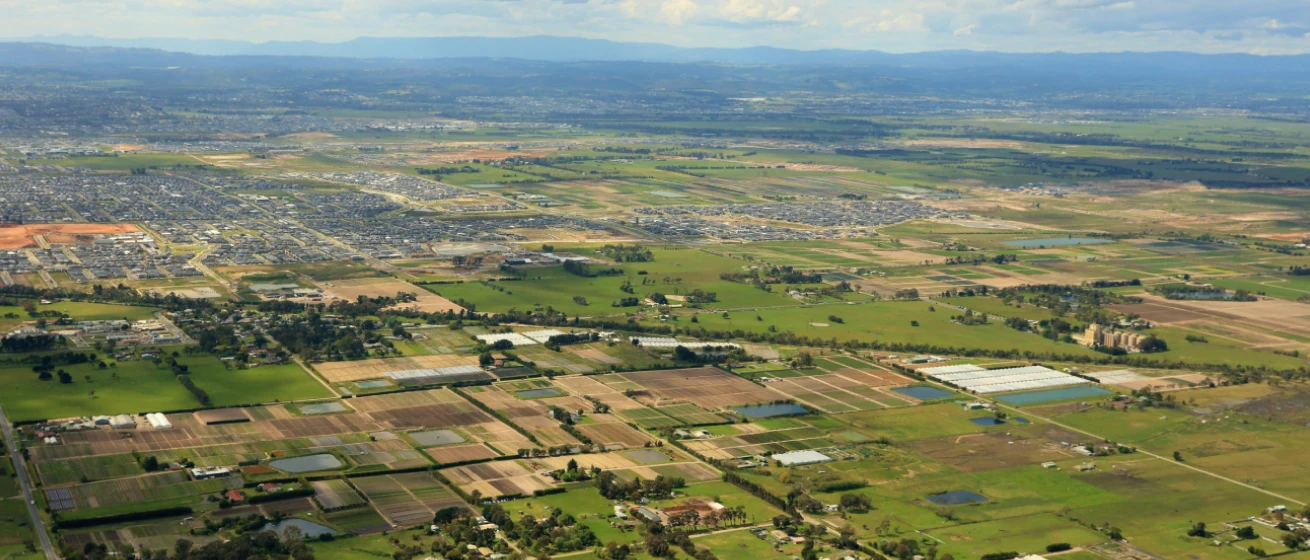
Development Land
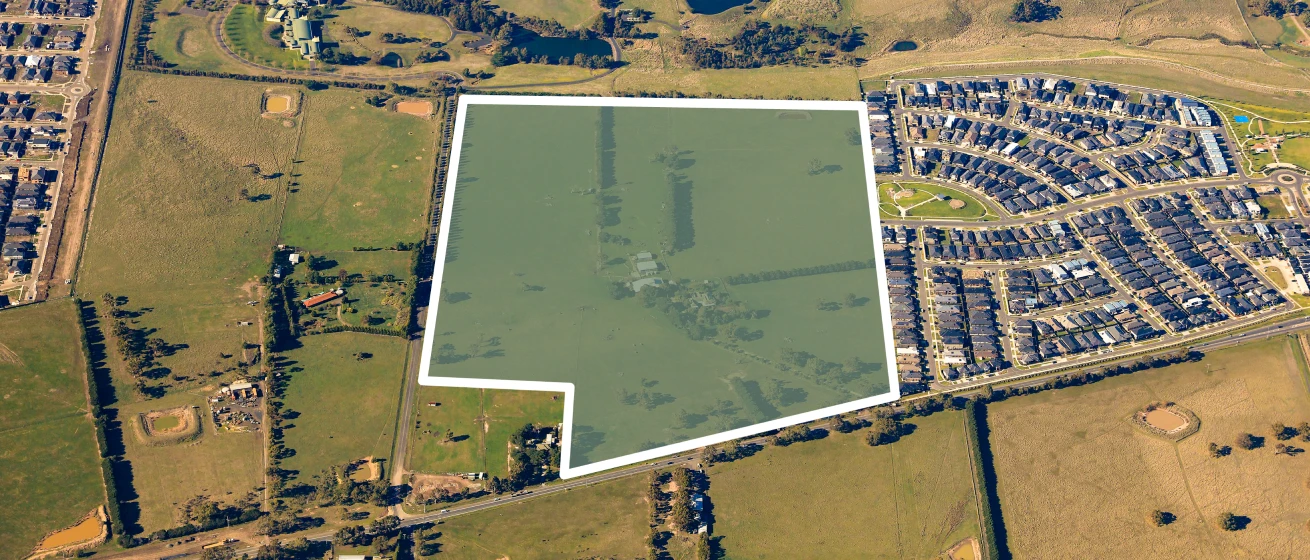
Specialists in sourcing and selling development land for commercial and residential projects. Explore current and past opportunities.
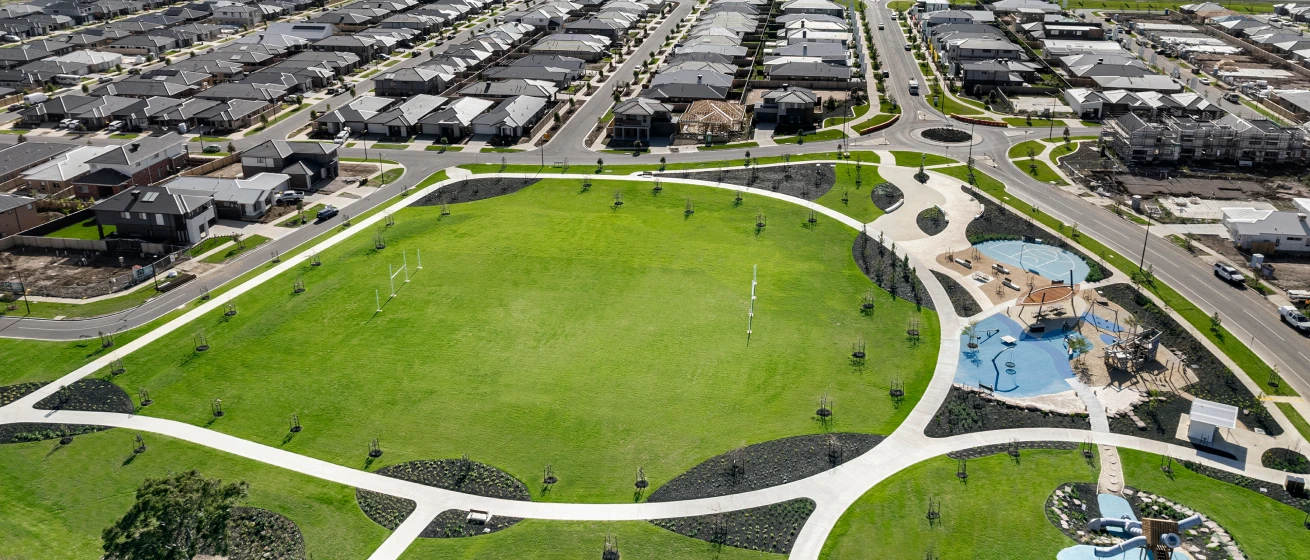
Residential Land
Across Australia’s East coast RPM has the ideal land to suit your lifestyle and dream home, explore the projects RPM is proud to be partners in selling.
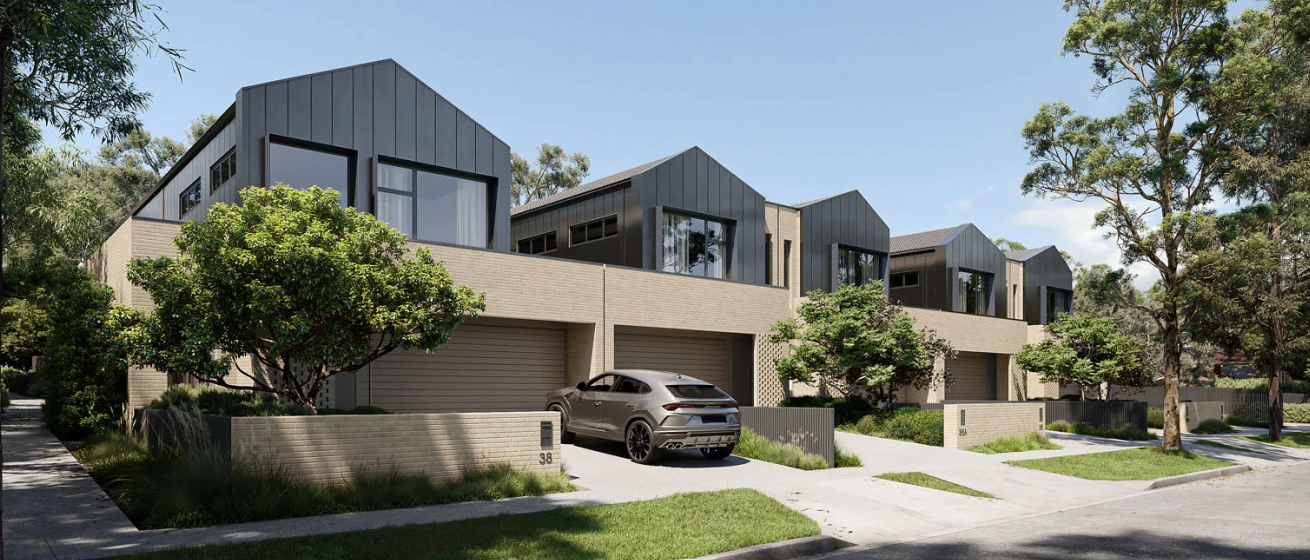
Townhomes
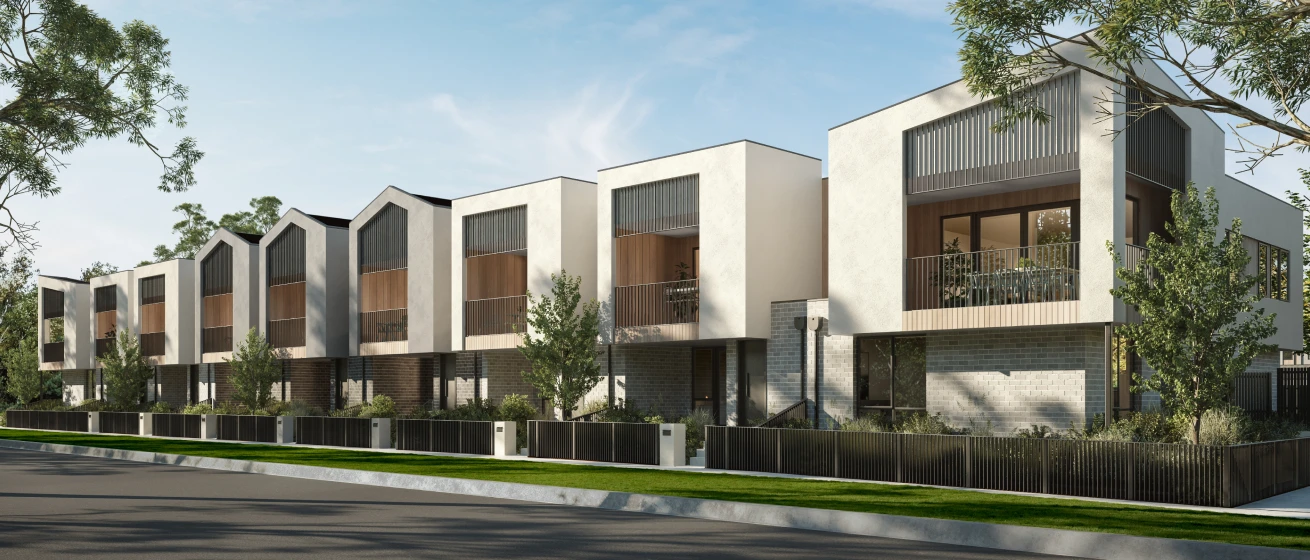
With townhouses to suit every lifestyle and budget, find your perfect home today.
Apartments
Inner city & coastal new apartment projects. Explore our projects to find your perfect location and style of living.

RPM offer a comprehensive suite of professional services at every stage of your property journey.
RPM offer a comprehensive suite of professional services at every stage of your property journey.
Pioneering new benchmarks in property intelligence, know-how, and data-driven insights, read the RPM Group's story.
Our Story
Since 1994, RPM has grown to become the industry-leader with an expanding national presence; offering a comprehensive suite of services
Our Team
The heart of our business are the people who make it thrive. Discover the passion and dedication of our national team.

Careers
Our team of property experts is truly unparalleled. See how you can join this exceptional group and shape your future with us.


How has the financing outlook for medium and high-density residential development shifted as the cash rate rises and construction cost pressures intensify?
Heightened awareness is probably how I’d categorise it. We’re being pretty proactive by talking to builders, developers, contractors. Our construction managers are busy trying to understand what pressures they’re actually seeing today, both on price and material availability.
There are real concerns emerging, but it’s not a bad news story yet. We haven’t had builders coming back to developers saying costs are going to blow out to x, y and z. It’s nowhere near what we saw during COVID, where supply shortages were a lot more widespread. What’s different this time is that experience is still pretty fresh in memory; I think people have their eyes more wide open going in.
For developers, interest rates are still not the main game. The construction cost story is what we’re watching very closely.

What impact has the federal government’s 5% deposit scheme had on apartment demand?
It’s been night and day. Now that we’ve had six months of the scheme operating, you can really see the difference it’s made to the lower end of the market.
The property price cap for Melbourne sits at $950,000, which covers pretty much all units. Nationally, the lower quartile has grown about 50% faster than the rest of the market over that period. In some markets it’s been even more stark. Perth was up around 13% in six months just at that lower end, and that’s a market that was already running hot.
It’s a very predictable policy outcome, but the numbers are pretty astonishing. Good for the people that can use it, but it’s clearly pushing up prices for the next round of purchasers in coming years.
Want the Full Picture?
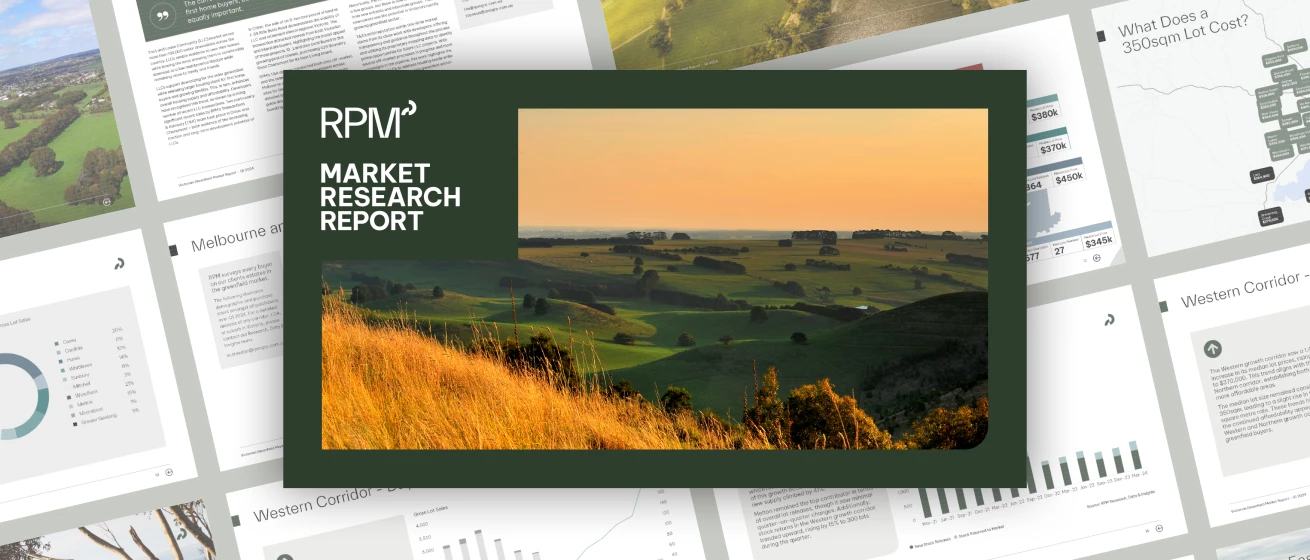
This article draws from the Q&A in RPM Group’s VIC Apartments & Townhomes Market Report. Read the full Q&A in our report.