


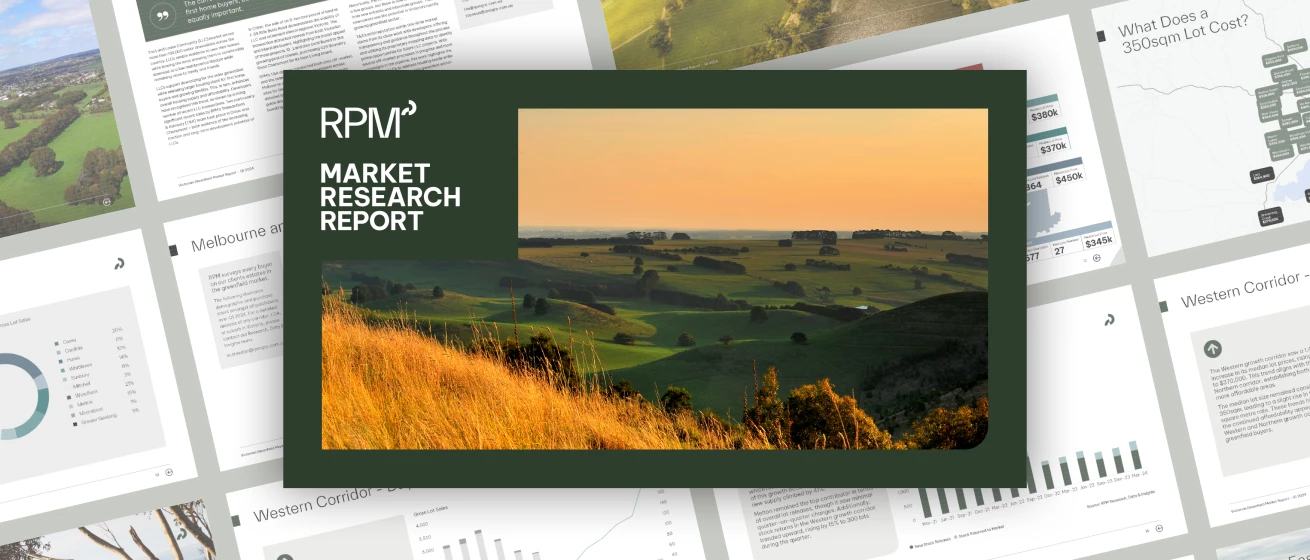
From development land, residential land to townhomes whatever you are looking for RPM has the ideal location for you.
From development land, residential land to townhomes whatever you are looking for RPM has the ideal location for you.

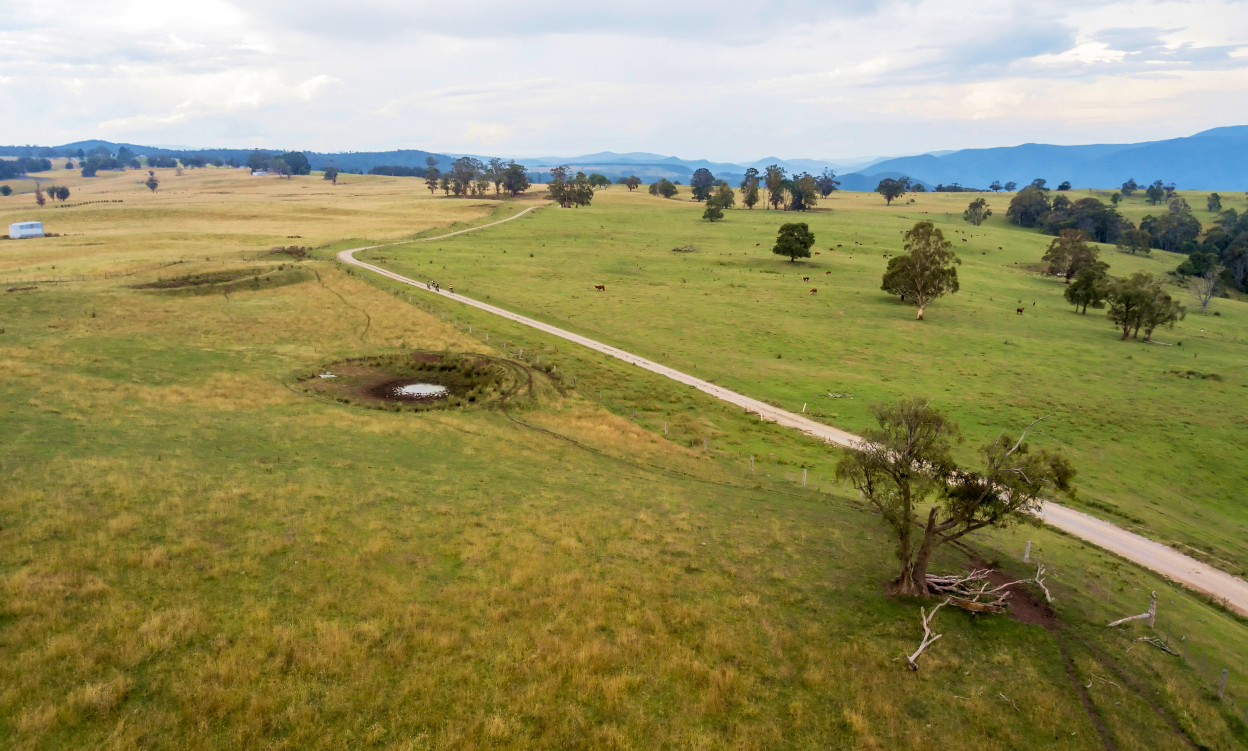
Development Land
Specialists in sourcing and selling development land for commercial and residential projects. Explore current and past opportunities.
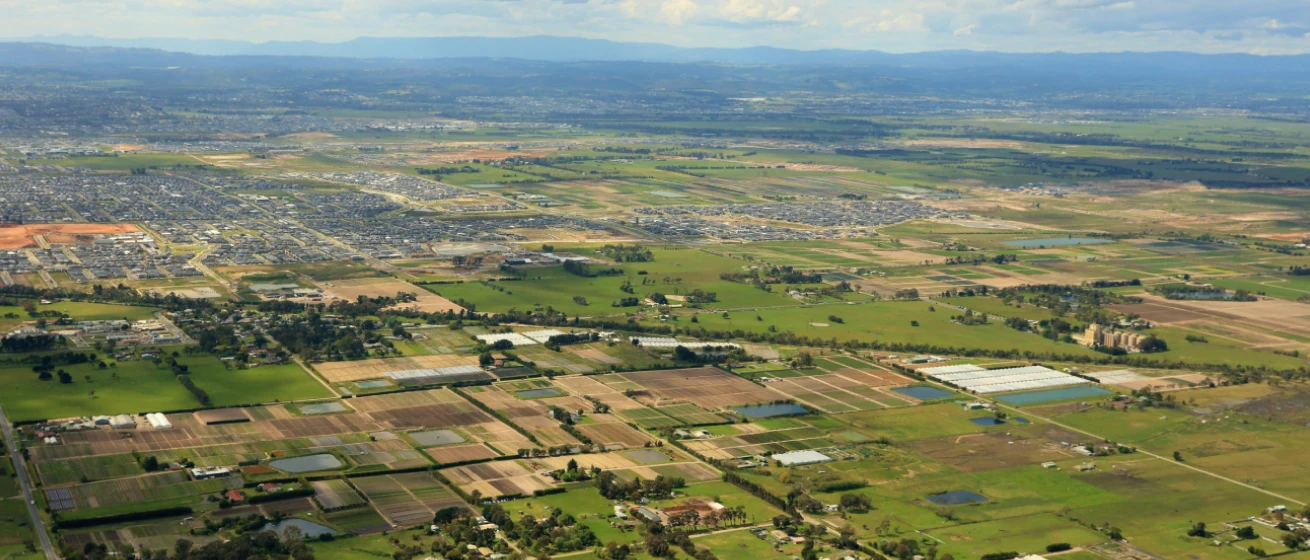
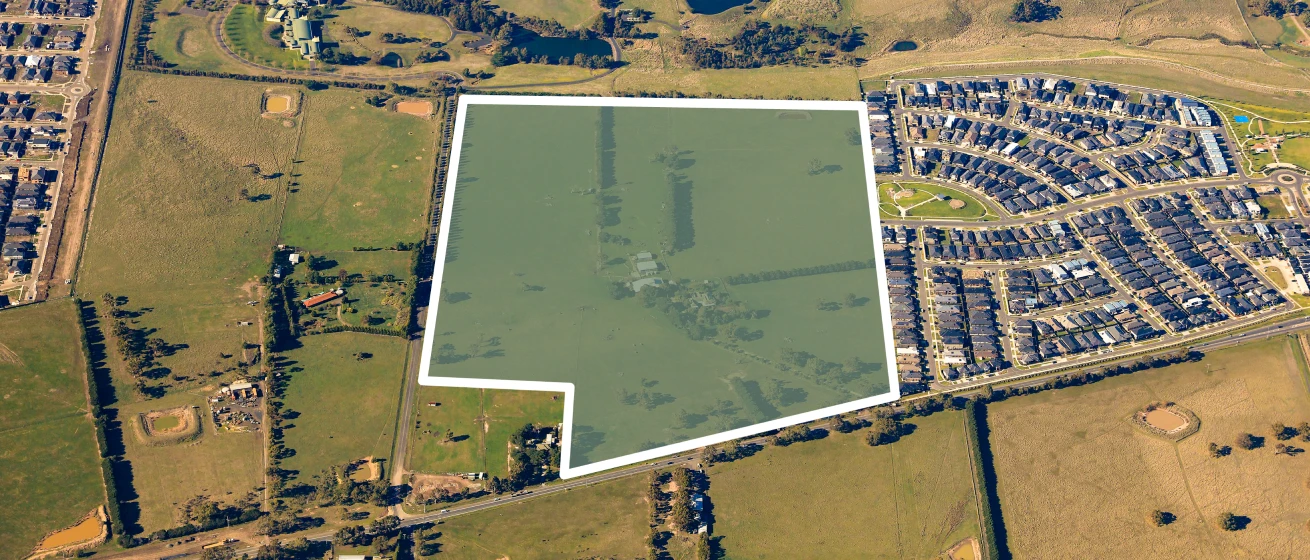
Residential Land
Across Australia’s East coast RPM has the ideal land to suit your lifestyle and dream home, explore the projects RPM is proud to be partners in selling.
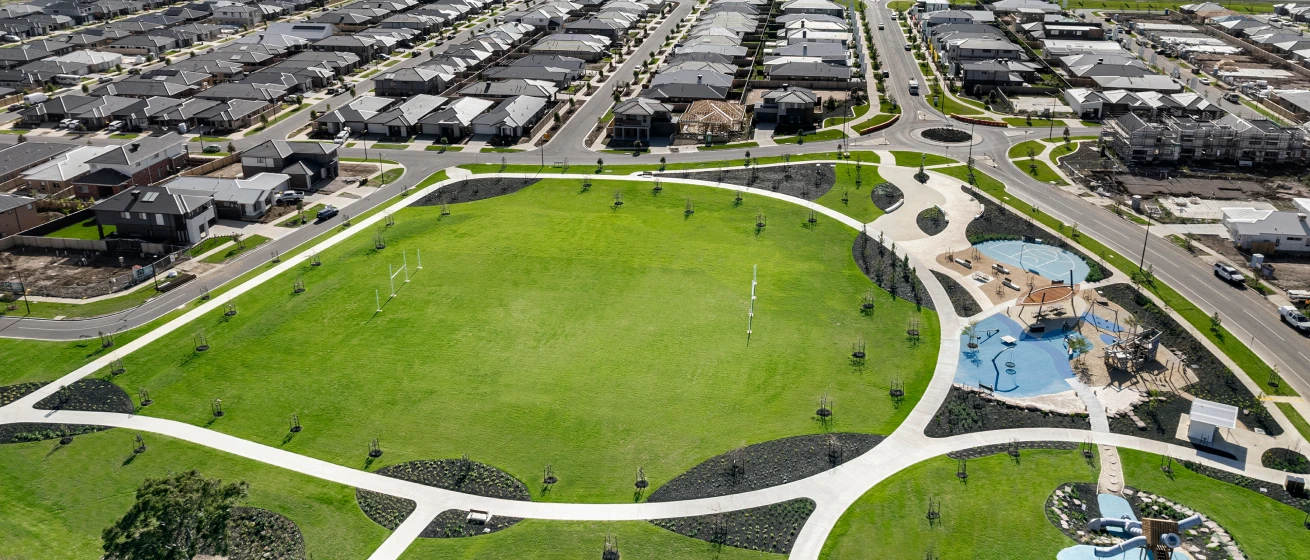
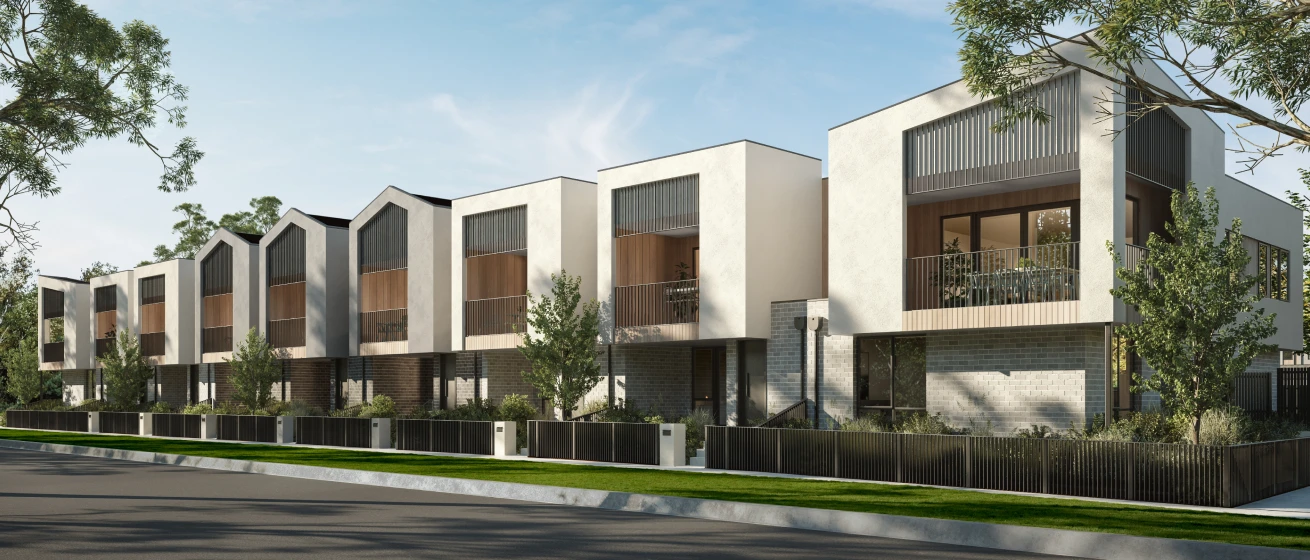
Townhomes
With townhouses to suit every lifestyle and budget, find your perfect home today.
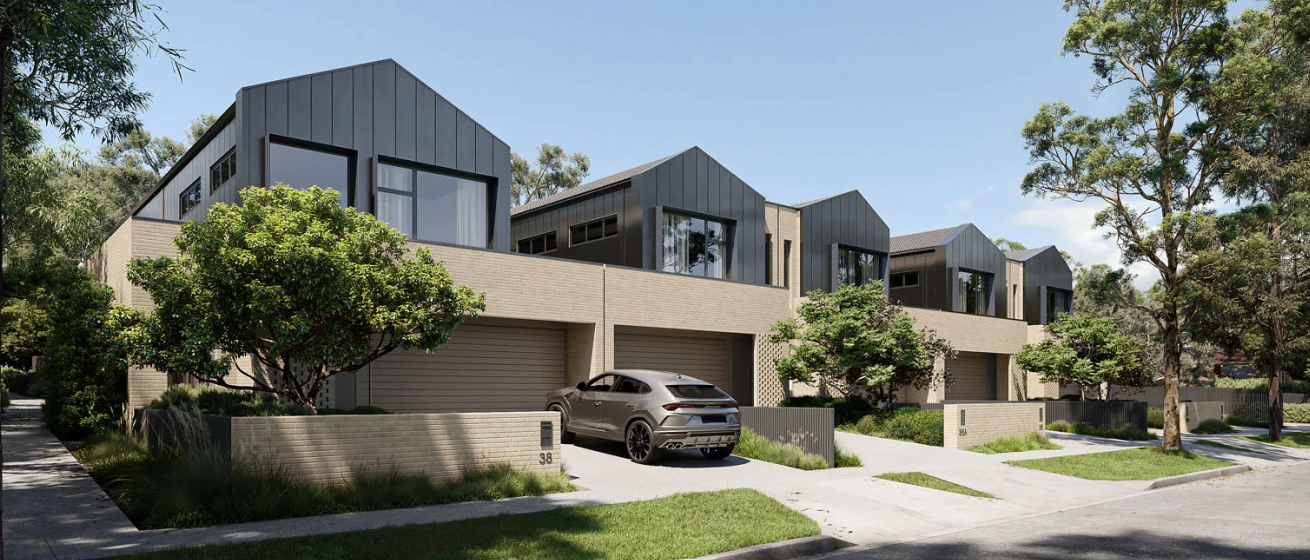
Apartments
Inner city & coastal new apartment projects. Explore our projects to find your perfect location and style of living.

RPM offer a comprehensive suite of professional services at every stage of your property journey.

RPM offer a comprehensive suite of professional services at every stage of your property journey.

Pioneering new benchmarks in property intelligence, know-how, and data-driven insights, read the RPM Group's story.

Our Story
Since 1994, RPM has grown to become the industry-leader with an expanding national presence; offering a comprehensive suite of services
Our Team
The heart of our business are the people who make it thrive. Discover the passion and dedication of our national team.

Careers
Our team of property experts is truly unparalleled. See how you can join this exceptional group and shape your future with us.


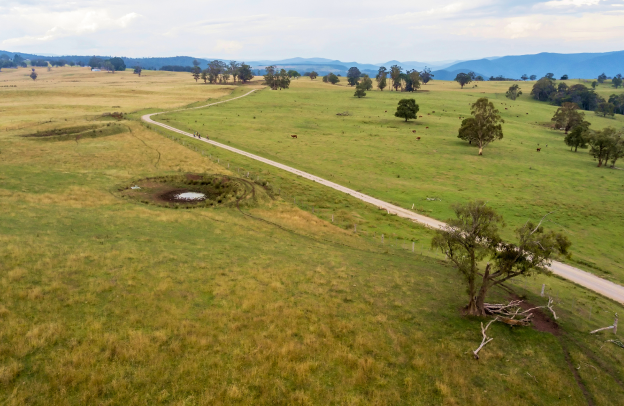
If you own land in Melbourne’s growth corridors — whether it’s been in the family for decades or acquired as a long-term hold — there’s a good chance you’ve had developers knocking on your door. Maybe you’ve had a few conversations, but nothing has come of them. Or maybe you’re starting to think seriously about your options for the first time.
Selling land to a developer is quite different to selling a house. The process is longer, more complex, and the stakes are higher. But with the right advice and the right agent, it can also be one of the most significant financial outcomes of your life. This guide walks you through exactly how it works.
Why Melbourne’s land market makes this a live conversation right now
Melbourne’s greenfield growth corridors (the south east, north, and west) continue to attract strong developer interest despite a challenging interest rate environment. Developers are actively acquiring land to build pipeline for when market conditions improve, which means demand for well-located land parcels remains active even in slower periods.
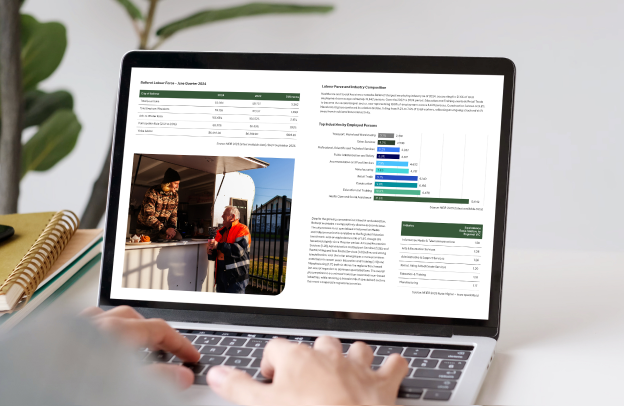
According to RPM’s Victorian Greenfield Market Report, Melbourne recorded 8,738 land sales on a rolling 12-month basis in Q1 2024 — the first lift against the prior corresponding period since late 2021. Developers acquiring sites now are positioning themselves for the next upswing, and they’re competing with each other for the best parcels.
That competitive dynamic works in your favour as a vendor — if you know how to run the process properly.

Step 1: Understand what developers are actually buying
Not all land is equal in a developer’s eyes. What they’re looking for — and what they’ll pay a premium for — comes down to a few key factors:
• Location within or near a Precinct Structure Plan (PSP) — land that has been through or is close to the state planning process is far easier to develop
• Lot size and configuration — larger, regular-shaped parcels are more efficient to develop; awkward shapes or constrained lots reduce yield
• Servicing — is the land within reach of existing water, sewerage, and road infrastructure? Unserviced land carries more risk for the developer
• Zoning and planning status — rezoned land, or land with a planning permit already in place, commands a significant premium
• Surrounding development activity — parcels in established corridors where developers are already active sell faster and at stronger prices
If your land ticks most of these boxes, you’re in a strong position. If it doesn’t tick all of them, that doesn’t mean it’s unsellable — it means the pricing and timing strategy needs to reflect where you are in the planning cycle.
Step 2: Get a proper appraisal — not just an agent’s guess
The biggest mistake landowners make is accepting the first number that’s put in front of them — often from a developer who approaches them directly, without the landowner having any independent view of what their land is actually worth.
A genuine appraisal of development land involves a residual land value calculation: the developer works backwards from what they expect to sell the finished lots for, deducting development costs, holding costs, and profit margin, to arrive at what they’re prepared to pay for the raw land. If you don’t understand this methodology, you’re negotiating blind.
An experienced land transactions agent — one who actively monitors the market, tracks comparable sales, and understands the planning context — will give you a credible, evidence-based view of your land’s value. At RPM, our Transactions & Advisory team uses GIS mapping, real-time comparable sales data, and 30 years of market knowledge to build a picture of what your land is genuinely worth to the market today, and what it could be worth as planning milestones are reached.
The first offer is rarely the best offer. Developers make early approaches to lock in land at pre-competitive pricing. Running a properly managed campaign typically generates multiple competing bids — and that competition is what drives price.
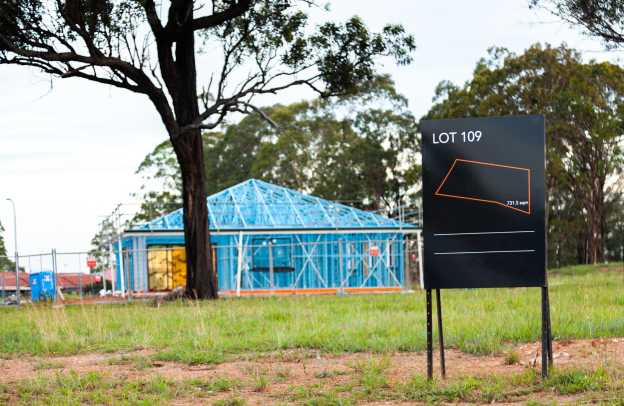
Step 3: Choose between on-market and off-market
Development land is frequently sold off-market, and there are good reasons for this — privacy, speed, and the ability to deal directly with a known pool of active buyers rather than the general public. But off-market doesn’t mean secretive or rushed. It means targeted.
A well-run off-market process involves:
• Building a targeted shortlist of developers actively acquisitioning in your corridor
• Preparing an information memorandum that presents your land professionally and completely
• Running a structured expressions of interest or tender process that creates competitive tension without public advertising
• Negotiating terms and conditions — not just price — to protect your position through to settlement
On-market campaigns (listed on commercial real estate platforms) can also be appropriate for certain sites, particularly larger or more complex parcels where maximum exposure is the priority. Your agent should recommend the right approach based on your specific circumstances.
Step 4: Understand the terms, not just the price
When a developer makes an offer, the price is only part of the picture. The terms can make a significant difference to the outcome:
• Settlement period — developers often want extended settlements (12–24 months) to allow time for planning work; you need to understand what this means for you
• Subject to conditions — offers may be conditional on due diligence, soil testing, planning applications, or finance; understand what each condition means and how it protects (or doesn’t protect) you
• Deposit size and timing — a larger deposit at exchange gives you more certainty; smaller deposits transfer risk back to you
• Option agreements — sometimes developers will propose an option to purchase rather than an outright sale; these can be legitimate but require careful review
Getting independent legal and financial advice at this stage is essential. Your land transactions agent should be able to coordinate with your solicitor and accountant to ensure the deal structure is right for your situation.

Step 5: Manage the process through to settlement
Selling development land is not a one-day transaction. From signing heads of agreement to final settlement can take anywhere from six months to several years, depending on the complexity of the site and the developer’s planning requirements. The right agent stays across the process at every stage — not just at signing.
RPM’s Transactions & Advisory team has managed hundreds of transactions across Melbourne’s growth corridors, with over $900 million in land transacted by our team. We stay involved from first conversation through to keys — and we’re familiar with all the things that can derail a deal in the middle, from planning delays to developer financing challenges.
Ready to explore your options?
Whether you’re ready to sell now or just starting to think about it, the best time to get advice is before you’ve committed to anything. RPM’s Transactions & Advisory team offers confidential, no-obligation appraisals for landowners across Melbourne’s growth corridors.
Our research is the same data that Melbourne’s major developers use to make acquisition decisions — and now it can work in your favour.