



From development land, residential land to townhomes whatever you are looking for RPM has the ideal location for you.
From development land, residential land to townhomes whatever you are looking for RPM has the ideal location for you.

Development Land
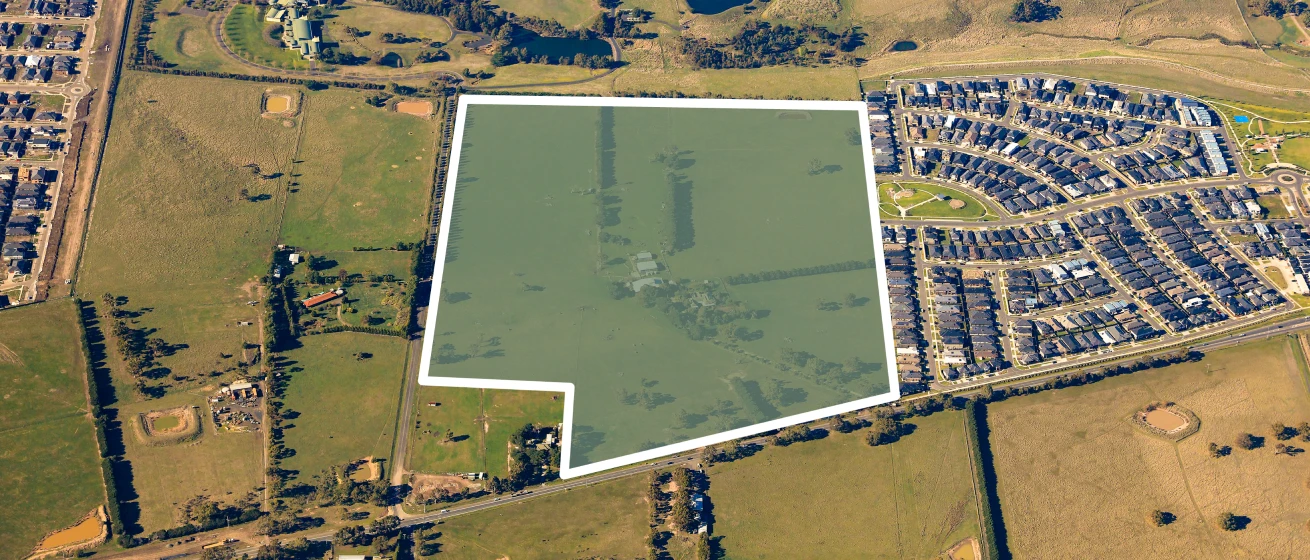
Specialists in sourcing and selling development land for commercial and residential projects. Explore current and past opportunities.
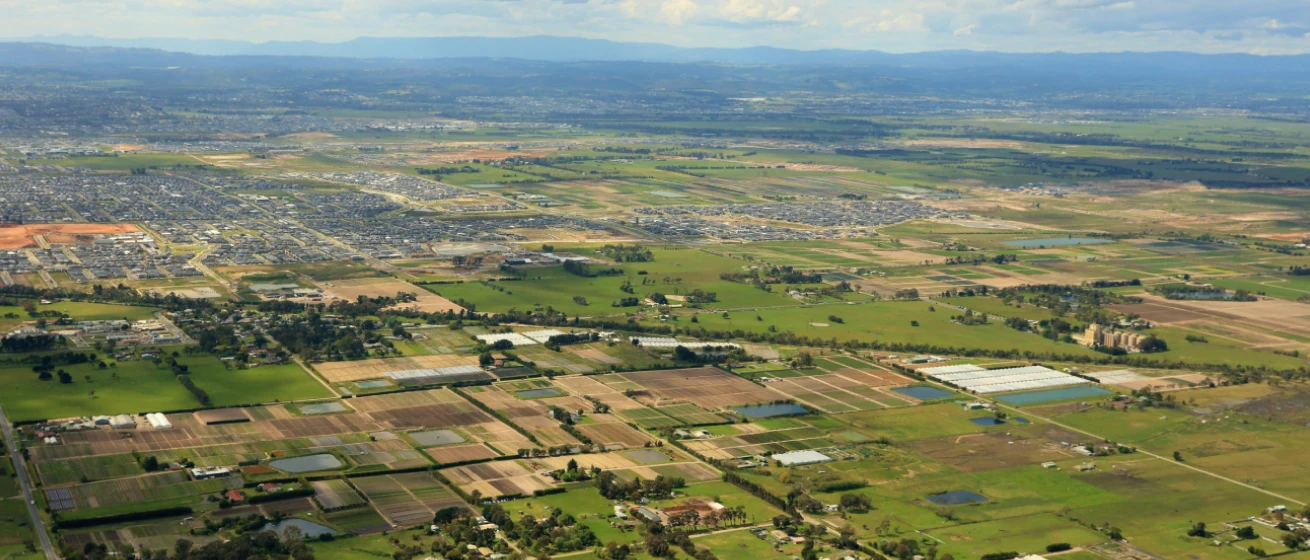
Residential Land
Across Australia’s East coast RPM has the ideal land to suit your lifestyle and dream home, explore the projects RPM is proud to be partners in selling.
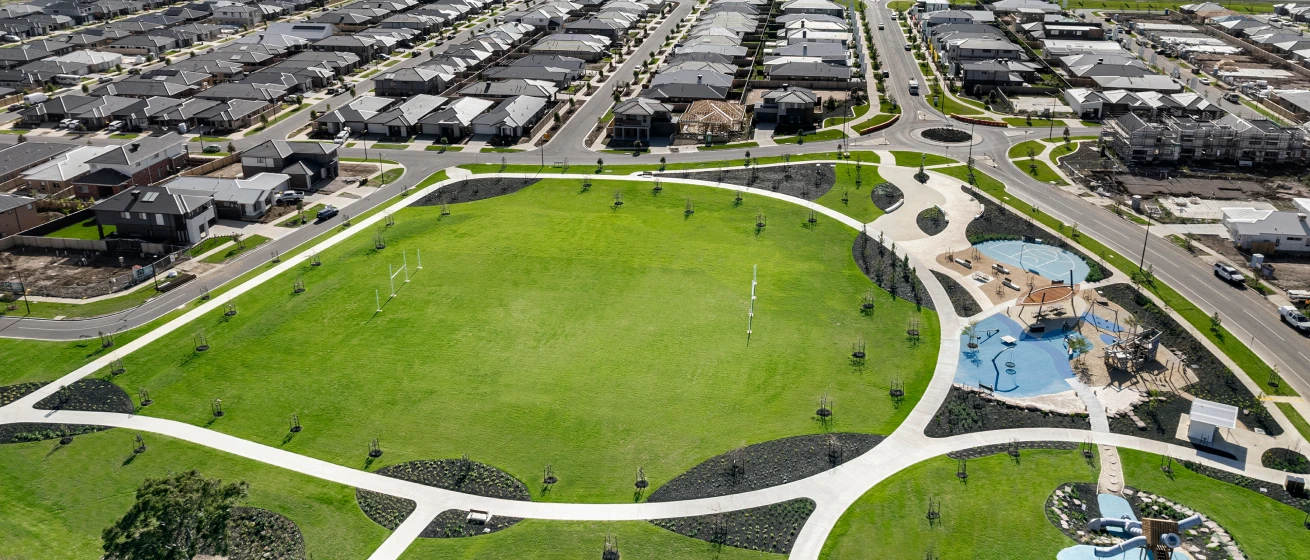
Townhomes
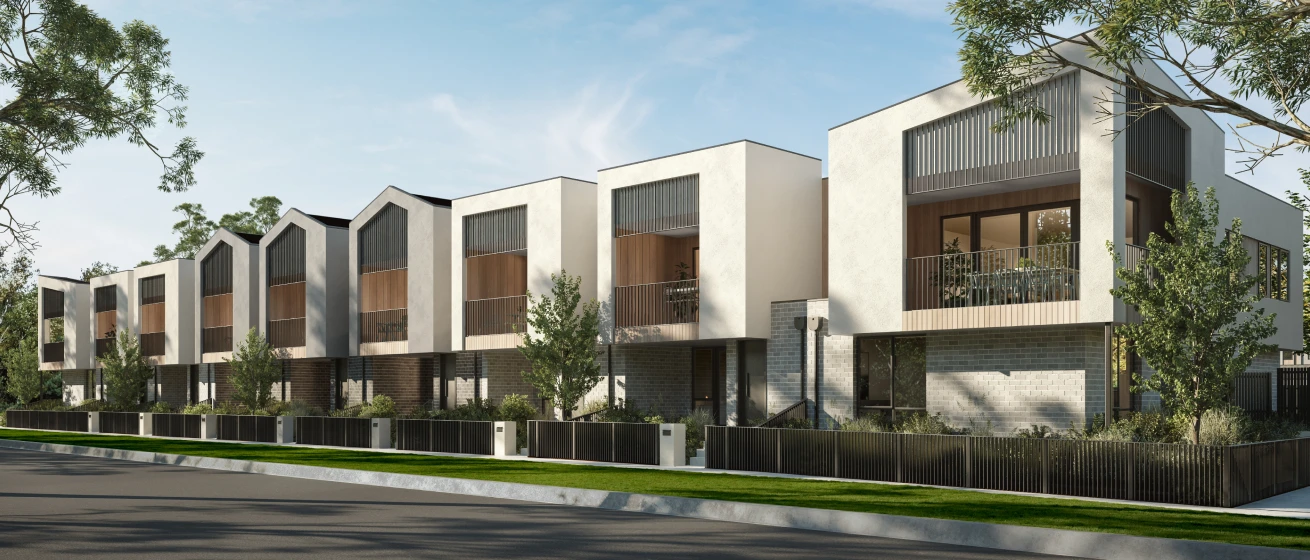
With townhouses to suit every lifestyle and budget, find your perfect home today.
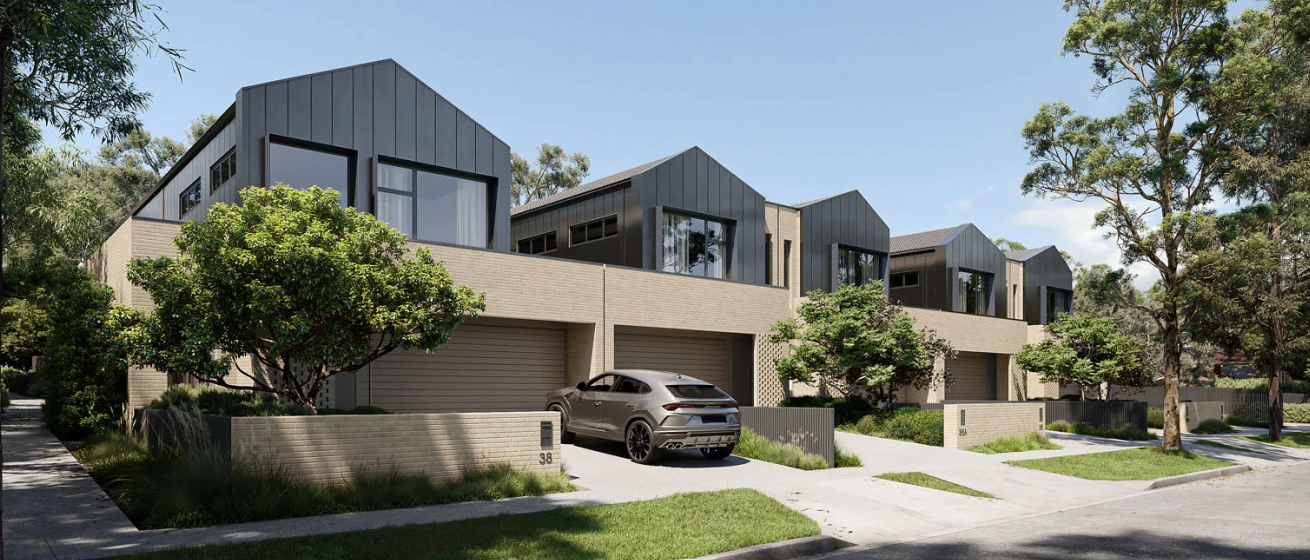
Apartments
Inner city & coastal new apartment projects. Explore our projects to find your perfect location and style of living.

RPM offer a comprehensive suite of professional services at every stage of your property journey.

RPM offer a comprehensive suite of professional services at every stage of your property journey.

Pioneering new benchmarks in property intelligence, know-how, and data-driven insights, read the RPM Group's story.

Our Story
Since 1994, RPM has grown to become the industry-leader with an expanding national presence; offering a comprehensive suite of services
Our Team
The heart of our business are the people who make it thrive. Discover the passion and dedication of our national team.

Careers
Our team of property experts is truly unparalleled. See how you can join this exceptional group and shape your future with us.


Housing supply is unlikely to catch up quickly under current conditions.
Population growth will continue to underpin housing demand in Queensland. Even if overseas arrivals remain below pre-pandemic levels, interstate migration is likely to keep Greater Brisbane’s population growing faster than the national average. This steady influx of new residents will maintain pressure on housing supply, keep vacancy rates low, and place upward pressure on prices.
Housing supply is unlikely to catch up quickly under current conditions. Detached lot registrations are at historic lows, and approvals are rising only gradually. Developers planning new projects should expect extended delivery timelines and ongoing competition for available land. Infrastructure and planning approvals will be key, especially in high growth LGAs where development ready land is limited; if there are no changes to planning and policy, demand will continue to outpace supply.
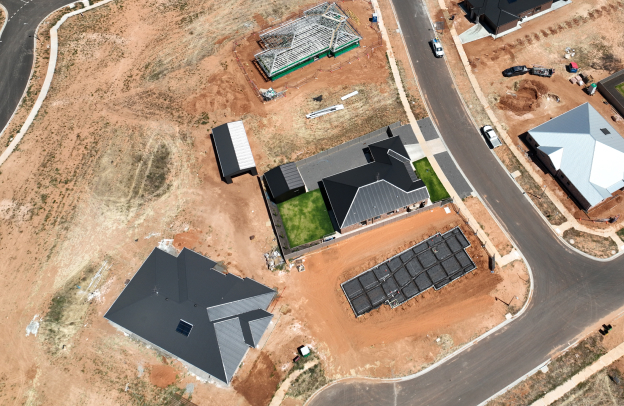
Demand is set to remain strong
Increasing approvals for apartments and townhomes provides some welcome news however uptake will remain sensitive to affordability, with a household earning $120,000 currently able to borrow around $694,000 at a 5.5% standard variable rate. Any change in interest rates could shift purchasing power and influence which segments of the market remain accessible. Developers targeting entry level buyers will need to design and price their products accordingly.
Land prices are likely to continue rising, though growth may moderate from the sharp increases seen in FY25. While the median lot sizes remain steady, we expect headline median prices to continue to increase.
Looking ahead, demand is set to remain strong, land will continue to be scarce, and timing will be critical. It will be more important than ever to understand how supply constraints shape pricing, and plan for product types to meet future demand.
This article references findings from our December 2025 SEQ Greenfield Market Report. Read the full report here.